
Furnace Repair in Mississippi
Homes in Mississippi need heat for fewer months of the year than in 41 of the other 49 states.
Tell us about the job
Takes about a minute. No obligation.
- 38°Fwinter overnight low where people live
- 5 monthsof heat, November through March
- $15.03 per million Btuwhat homes paid for natural gas in 2024 (Btu means British thermal units, a measure of heat)
- 378winter storms from 2015 to 2024
What does a furnace in Mississippi face?
How cold do winter nights get?
38°Faverage overnight low where people live
North Dakota4°F
Hawaii65°F
How many months does the heat run?
5 monthsof heating a year
Hawaii0 months
Alaska12 months
What does natural gas cost?
$15.03per million Btu, what homes paid in 2024
Montana$7.77
Hawaii$53.25
How often do storms hit?
142severe weather events per county from 2015 to 2024
Alaska5
Wyoming1,057
How many homes lost power for a day or more?
30%of homes in 2024
Arizona7%
Maine54%
The furnace, called on after months of rest
Furnace trouble in Mississippi tends to show up in November, the first cold snap after months of the furnace sitting untouched. Whatever was already weak, a cracked igniter, a failing flame sensor, a stuck relay, gets found out the first time the system has to run for real. A furnace here only needs to carry the house through about five months, November into March, so a part struggling now was probably struggling last March too. Getting it looked at before the cold settles in means it gets fixed on your schedule, not on a night when the heat won't come on at all.
Furnaces in Mississippi run about five months a year, less than in 41 other states, and winter nights here average 38°F.
A furnace that only has to carry a mild five-month stretch usually has less wear behind it, so if yours is acting up, the cause is more likely a worn part than a system worn out.
What you can rule out on your own
A few checks before you call someone out
Before you call, check the thermostat. Make sure it's set to heat, not cool, and set a few degrees above room temperature. If it runs on batteries, put new ones in. Next, check the breaker box for a tripped breaker on the furnace circuit, flip it fully off, then back on. Look for the furnace switch too, it's mounted like a light switch on or near the unit, and gets bumped off more often than people expect. If you have a gas furnace, make sure the gas valve is open. Pull the air filter and hold it up to a light. If you can't see light through it, that filter is choking off airflow, and a lot of furnaces will shut themselves down rather than run without air moving through them. Outside, check the vent hood where the furnace exhausts. If it's blocked by debris or looks damaged, don't run the furnace until it's clear. None of this means taking anything apart. If the furnace still won't start, or it starts and shuts off on its own, something inside needs a tech to look at it.
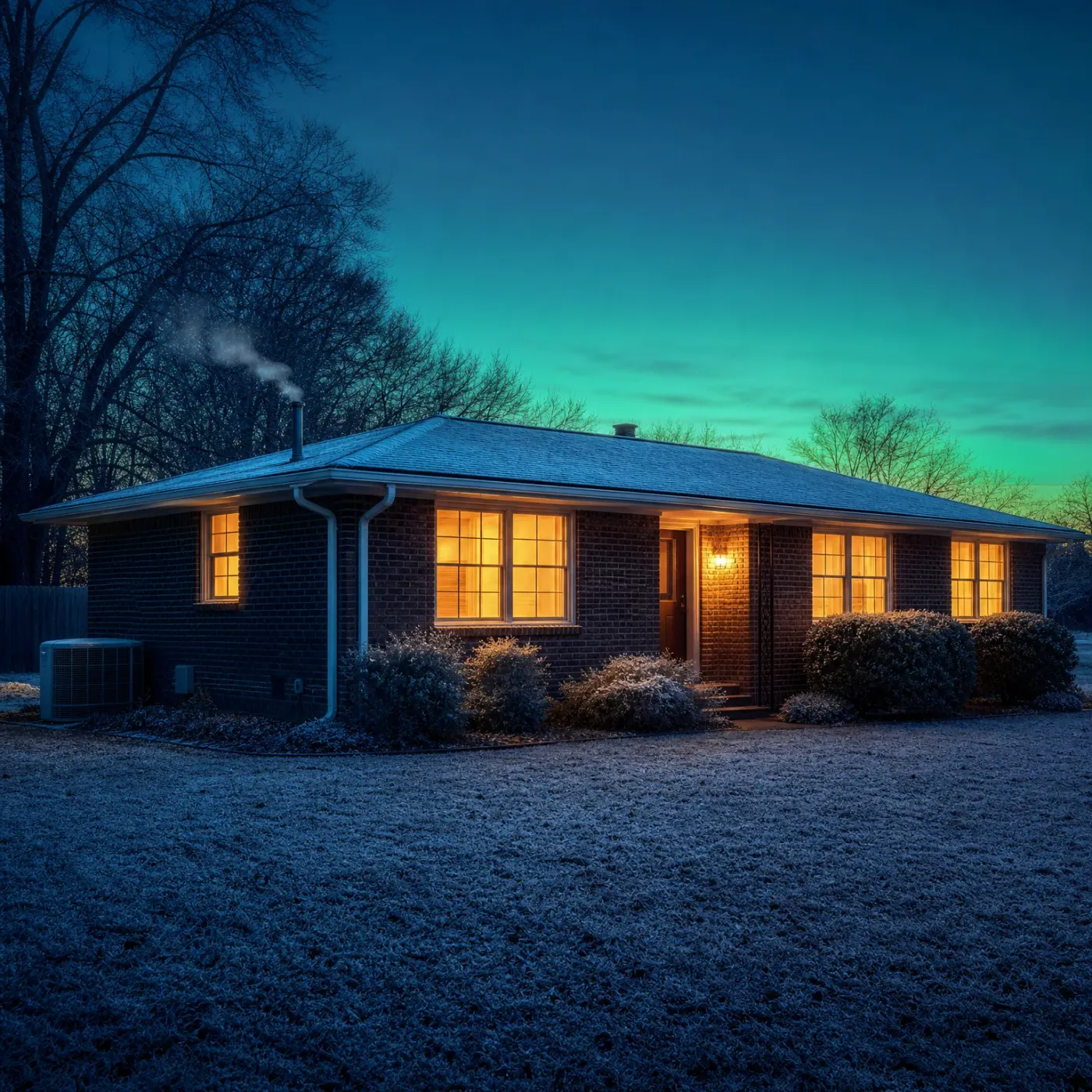
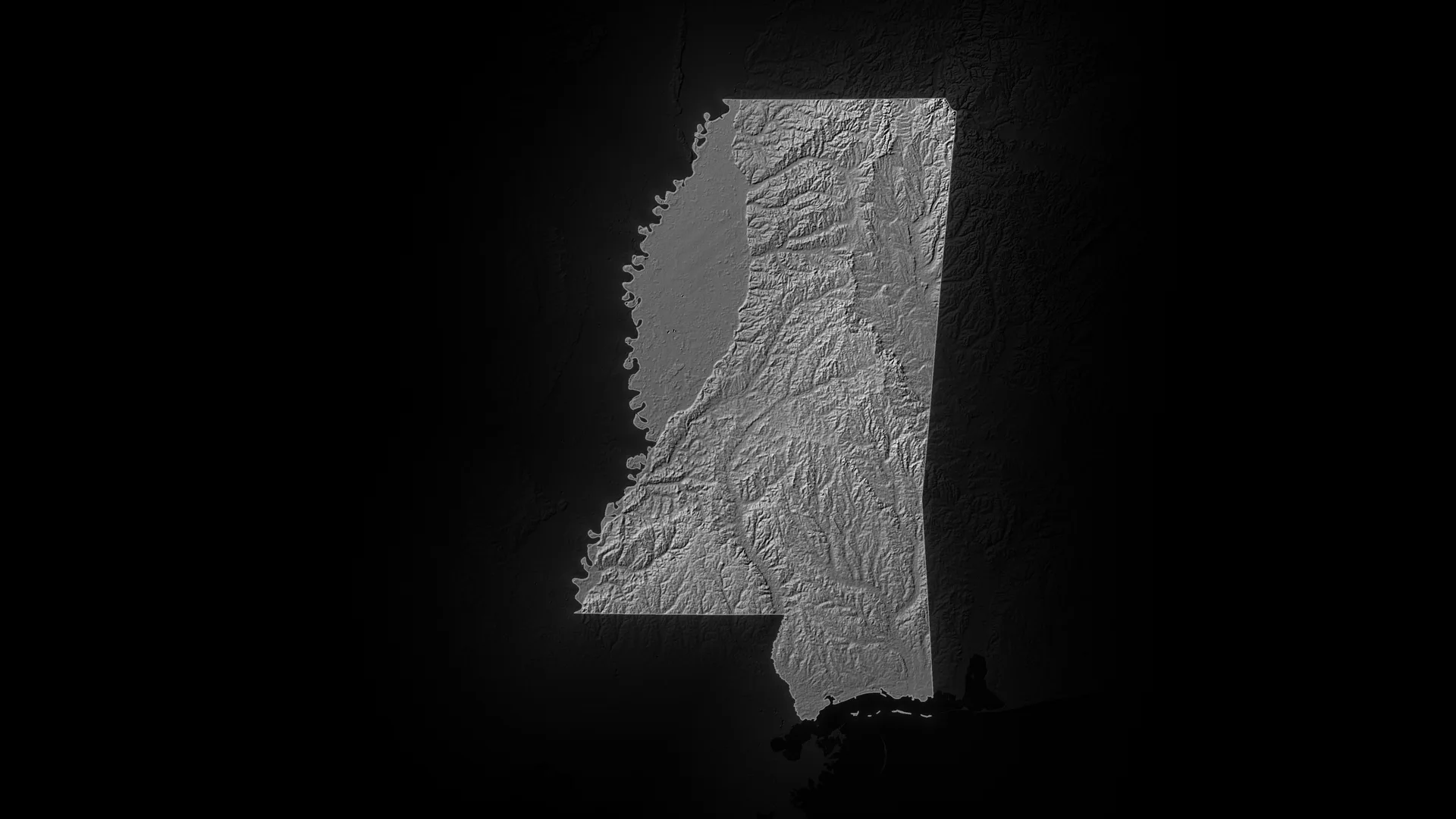
Mississippi's heating need is not the same from one end of the state to the other. Homes in the northern counties need about 41% more heat over a year than homes in the southern counties, and that difference shows up in how long the furnace has to run and how hard the first cold snap hits it.
Alcorn County sits at one end of this. Homes there need heat about 7 months a year, the longest stretch in the state, and winter nights average a 32°F low across December, January and February. A furnace in Alcorn County is doing real work most winters, and parts wear accordingly.
Hancock County sits at the other end, with the lowest heating need in the state and winter nights averaging 43°F. Homes in Alcorn County need about 98% more heat over a year than homes in Hancock County. A furnace in Hancock County spends most of its life idle, so when something goes wrong, it's less likely to be a system worn down by use and more likely to be a part that failed sitting still.
Hinds County has the shortest stretch of furnace use in the state, needing heat only about 5 months a year. A furnace there has less run time behind it than one up in Alcorn County, which matters when you're trying to figure out whether a problem is a bad part or a system reaching the end of its life.
Winter storms with heavy snow, ice or blizzards have hit Mississippi 378 times between 2015 and 2024. Any of those events can leave a furnace that was already struggling worse off by the next morning, whichever county it's in.
None of this points to one cause over another on its own. But knowing whether a house sits in the northern or southern part of the state, and how many months its furnace typically runs, is the first thing worth checking before guessing at what failed.
Storm activity here is unremarkable Hinds County sees the most of it
- Northern counties need about 41% more heat than southern ones
- Winter nights average 38°F where people live
- Heat runs November through March
- 378 winter storms from 2015 to 2024
- Climate zones 2A and 3A across the state
- 30% of homes lost power a day or more in 2024
Running it through a problem rarely fixes the problem
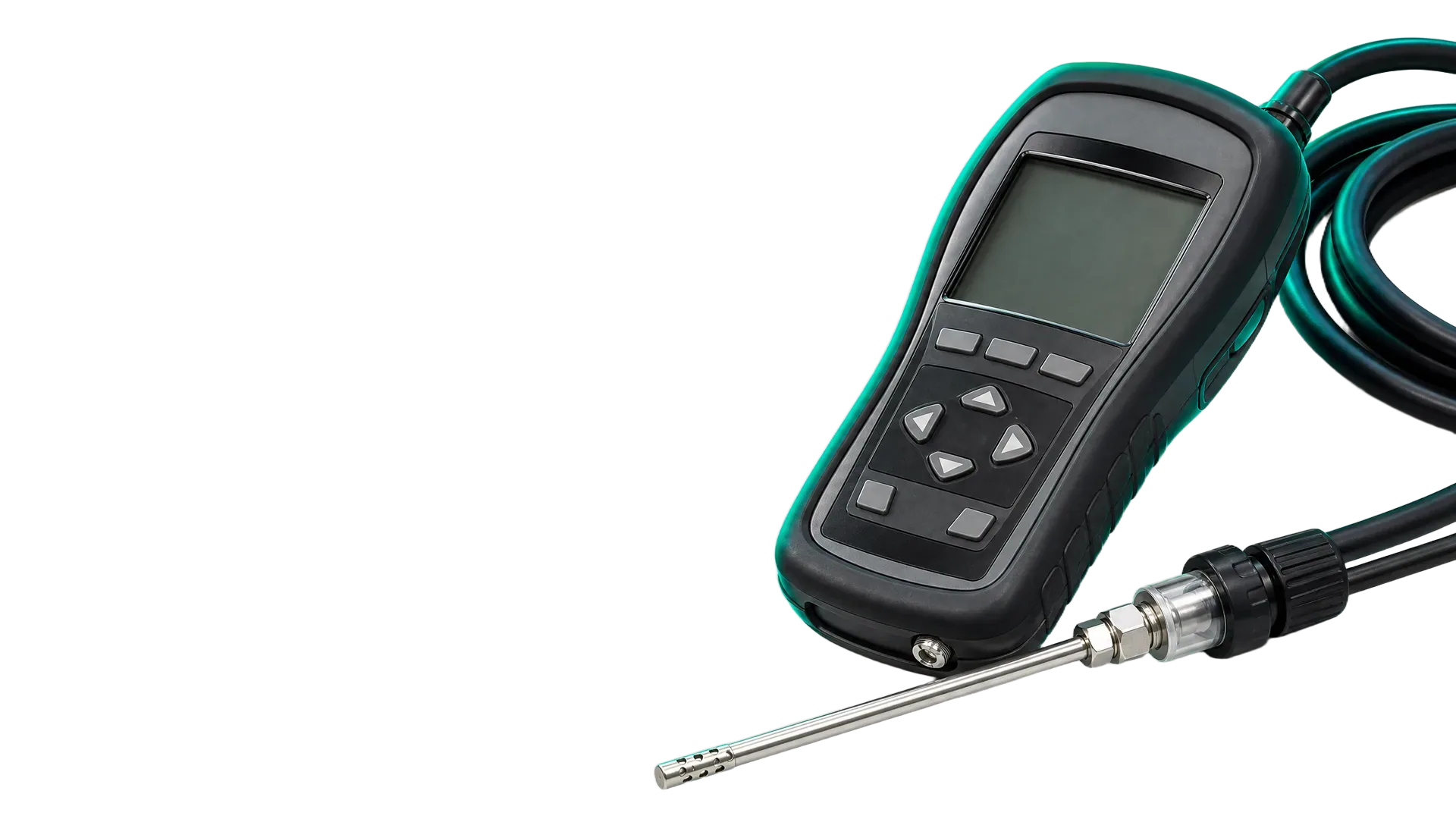
A furnace that's short-cycling, or one that's making a bad smell, or one that's tripping its limit switch is telling you something. Keep running it and you're not giving it a chance to fix itself. A cracked heat exchanger gets worse under heat, not better. A flame sensor coated in a little buildup will keep letting the furnace fire and shut off, over and over, until the igniter that's doing all that extra work finally gives out too. A blower motor straining against a dirty filter runs hotter than it should every single cycle, and that heat is what kills motor windings early. None of these fix themselves by running longer. The furnace isn't resting between cycles, it's building toward whatever comes next, and most of the time what comes next is a bigger repair or a part that was fine on its own now taking out a part next to it.
An easier winter, most years
Mississippi asks less of a furnace than almost anywhere else. Homes here run heat about five months a year, and winter nights average 38°F, milder than in most of the country. A furnace built for that kind of winter isn't fighting subzero nights for months on end, so it isn't under the kind of strain that wears a system down early. That's good news if yours is acting up. The odds favor a part that failed, not a furnace that's done. Worth getting looked at rather than replaced outright.
A furnace that's only run five mild winters is worth fixing, not replacing.
Tell us about the job
Takes about a minute. No obligation.
Fill out the form once and a licensed Mississippi contractor calls to look at it.