
Furnace Installation in Mississippi
Homes in Mississippi need heat for fewer months of the year than in 41 of the other 49 states.
Tell us about the job
Takes about a minute. No obligation.
- 38°Fwinter overnight low where people live
- 5 monthsof heat, November through March
- $15.03 per million Btuwhat homes paid for natural gas in 2024 (Btu means British thermal units, a measure of heat)
- 378winter storms from 2015 to 2024
Mississippi furnaces don't work hard Five mild months, not a long winter
- Northern counties need about 41% more heat than southern ones
- Winter nights average 38°F where people live
- Heat runs November through March
- 378 winter storms from 2015 to 2024
- Climate zones 2A and 3A across the state
- 30% of homes lost power a day or more in 2024
A normal furnace for a normal house
Half the homes in Mississippi were built in 1986 or later, so a lot of the furnaces going in now are going into houses built to a modern code. Most homes here are detached or attached single-family houses, the kind a standard furnace is sized for every day. A smaller share are mobile homes, and those need a unit rated for that kind of install, which a contractor will check before anything goes in. Outside of that, there's nothing about housing here that calls for anything other than a standard size and efficiency.
Most homes here run on electric heat
Most homes in Mississippi heat with electricity, 58.9%. Gas comes second at 29.3%, and bottled or LP gas heats 9.9%. That split matters when it's time to replace a furnace. If the house already has a gas line and a gas furnace, putting in another gas furnace is straightforward. If the house runs on electric heat, that often means a heat pump or electric furnace rather than a gas one, and the contractor will plan the install around what's already feeding the house rather than switching fuels.
Cheap power changes the math, not the standard
What's worth paying for when electricity is this cheap
Electricity here runs $39.26 per million Btu, cheaper than most of the country. A high-efficiency furnace still burns less fuel than a standard one, and a better heat pump still uses less power, but it takes longer to earn back the difference at this rate. That changes what's worth paying extra for. Getting the size right for the house and the installation done correctly matters more than chasing the top efficiency number. A furnace that's sized wrong or installed poorly costs you in comfort and repairs no matter what the power bill looks like.
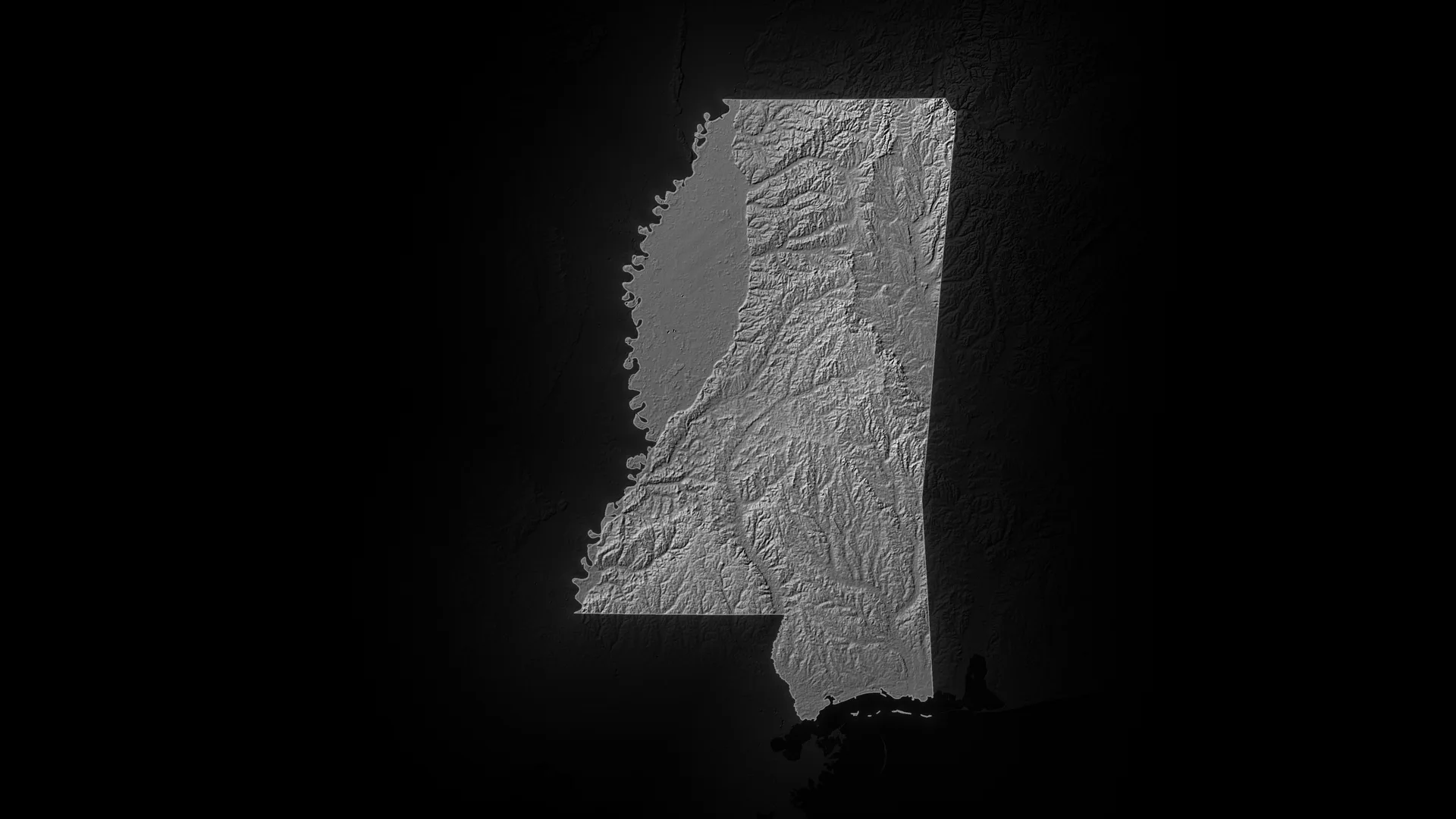
Mississippi's heating need splits along a north-south line. Homes across the northern counties need about 41% more heat over a year than homes across the southern counties, and that gap shows up in how long a furnace runs, not just how cold it gets on a given night.
Alcorn County sits at the hard end of that split. Homes there need about 98% more heat over a year than homes in Hancock County, where the state's heating need is lowest. Winter nights average 32°F across December, January and February in Alcorn County, against 43°F in Hancock. A furnace going into a home in Alcorn County is working a different job than one going into Hancock, even on a mild winter statewide.
Run time follows the same line. Alcorn County needs heat about 7 months a year, the longest stretch in the state. Hinds County needs it for about 5. A system sized to the state average and installed in Alcorn County will run longer than that average suggests.
Mississippi as a whole still gets off easy next to most of the country. Homes here need heat for fewer months of the year than in 41 of the other 49 states, and winter nights are milder than in 43 of them. But that comfort isn't spread evenly, and the northern counties carry more of whatever winter the state gets. A contractor sizing a furnace should be working from the county, not the state average.
What does a furnace in Mississippi face?
How cold do winter nights get?
38°Faverage overnight low where people live
North Dakota4°F
Hawaii65°F
How many months does the heat run?
5 monthsof heating a year
Hawaii0 months
Alaska12 months
What does natural gas cost?
$15.03per million Btu, what homes paid in 2024
Montana$7.77
Hawaii$53.25
How often do storms hit?
142severe weather events per county from 2015 to 2024
Alaska5
Wyoming1,057
How many homes lost power for a day or more?
30%of homes in 2024
Arizona7%
Maine54%
Get it done before November, not during it
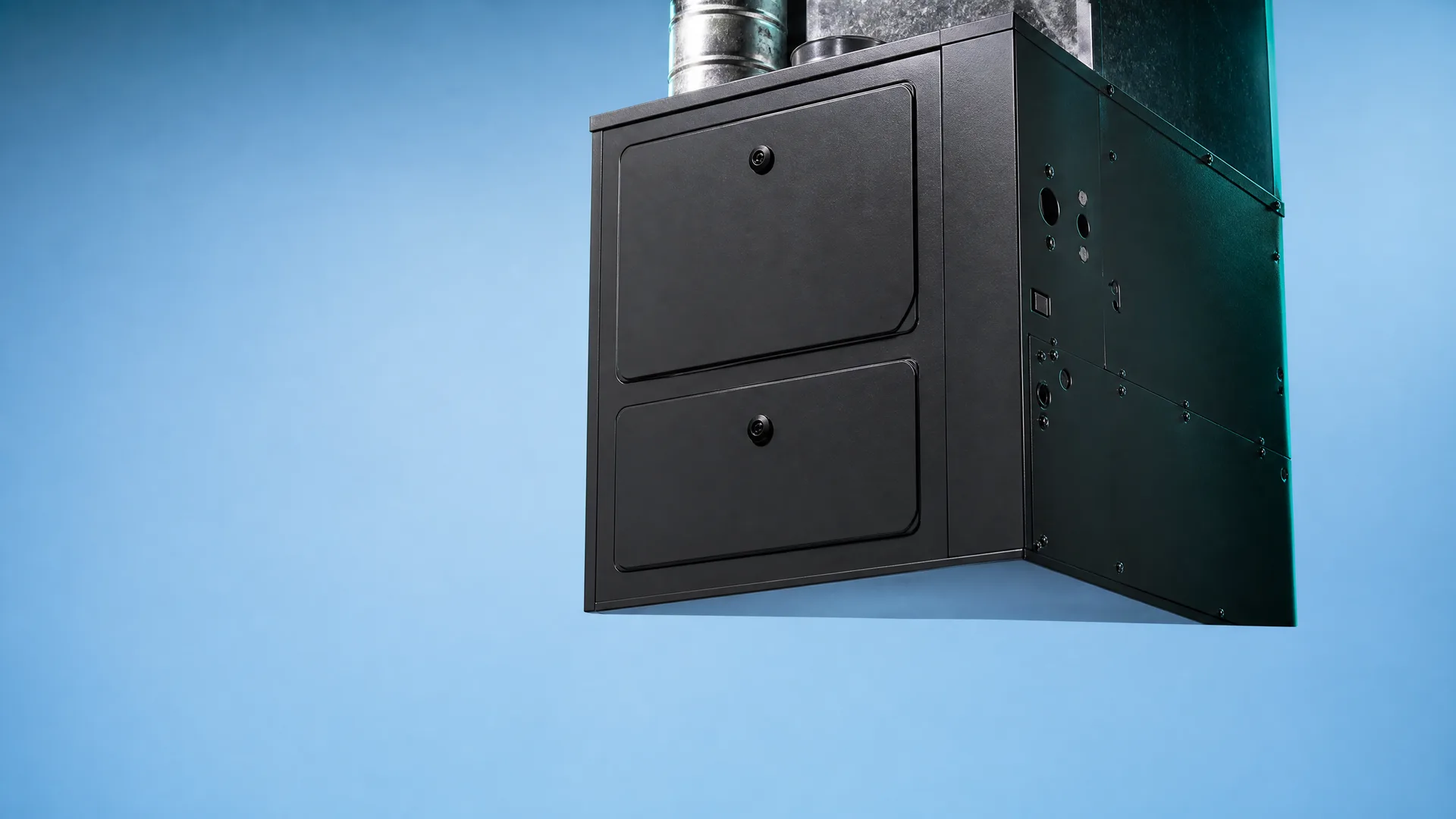
Heat season here runs November through March, about five months. October is the month before it starts, and it's the better month to put in a new furnace. Replace it then and the job happens on a normal schedule. Wait for the first cold night and a failed furnace gets replaced under pressure, often with whatever unit the contractor has on hand that week, sized in a hurry instead of checked against the house.
What the rating on the box actually tells you
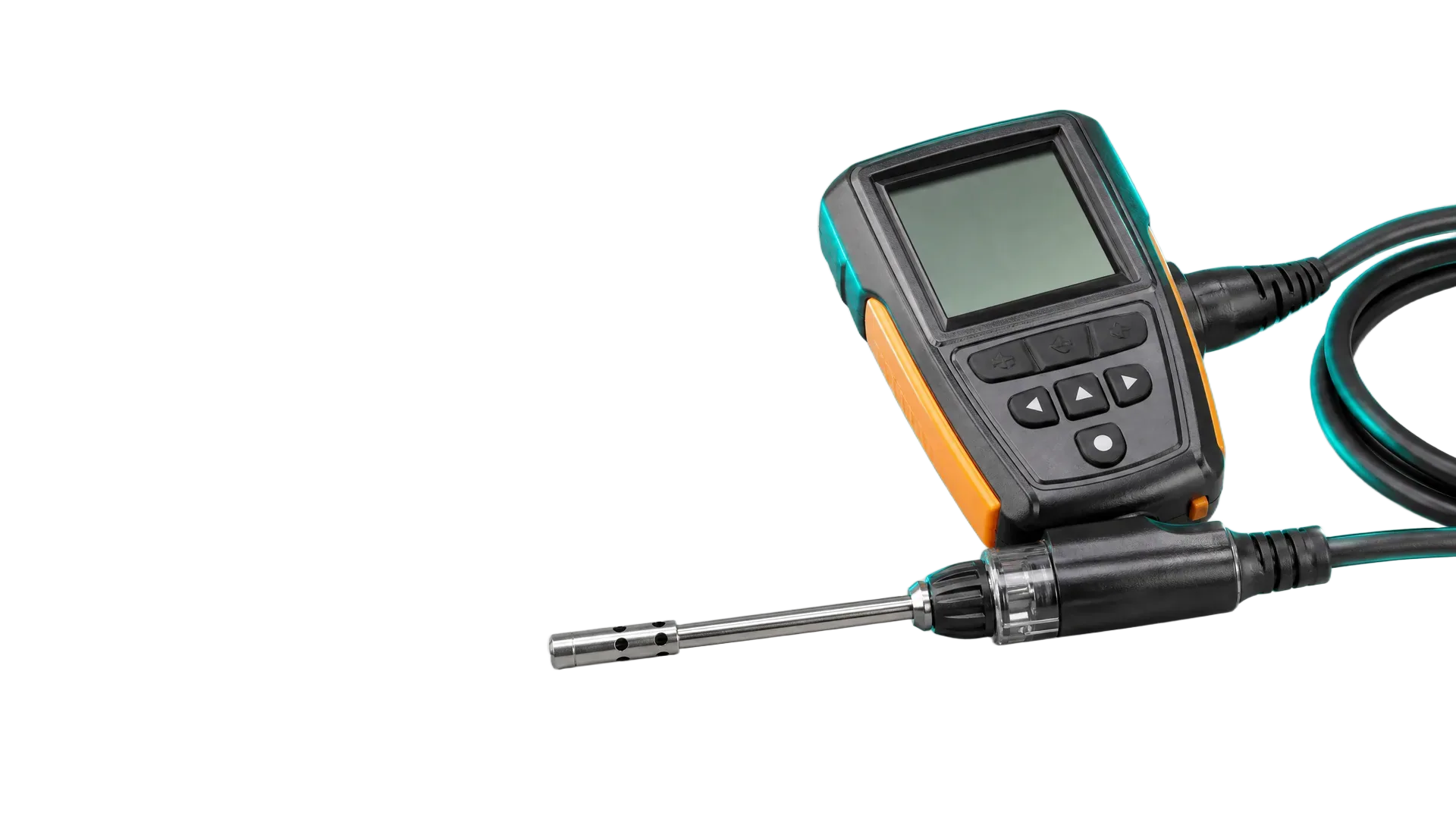
The efficiency rating on a furnace tells you how much of the fuel it burns turns into heat in the house, and how much goes out the flue. A furnace with a higher rating keeps more of that heat instead of losing it. The rating only describes the furnace itself, not the ductwork carrying that heat through the house, and not how well the house holds onto it once it's there. A furnace with a higher rating is usually a more complex machine, with a second heat exchanger and a way to vent the cooler exhaust that result, so there's more that can go wrong and more to check over the life of the unit. A furnace with a lower rating is simpler, fewer parts to fail, but it burns more fuel to make the same heat. Neither one is the right call on its own. What matters is matching the rating to how often the furnace will actually run and what the fuel behind it costs to burn.

Mississippi logged 7,948 severe weather events between 2015 and 2024, tornadoes, hail, hurricanes blowing in off the Gulf. None of that changes what a furnace needs to be. A tornado or an ice storm can knock out power, and when it does, the furnace isn't running no matter how it's rated. Storm risk is a reason to think about backup power, not a reason to size up the furnace itself.
Even so, 30% of households here went at least a day without power in 2024, more than in most states. A standing pilot furnace keeps working through an outage since it needs no electricity to make heat, but almost nothing sold new is built that way anymore. A modern furnace, gas or electric, needs power to run its blower and controls no matter how efficient it is. If outages are a real concern for the house, that's a conversation about a generator or battery backup, separate from what furnace goes in.
A furnace going in now has to answer to what already feeds the house.
Tell us about the job
Takes about a minute. No obligation.
Fill out the form once and local furnace contractors get back to you.