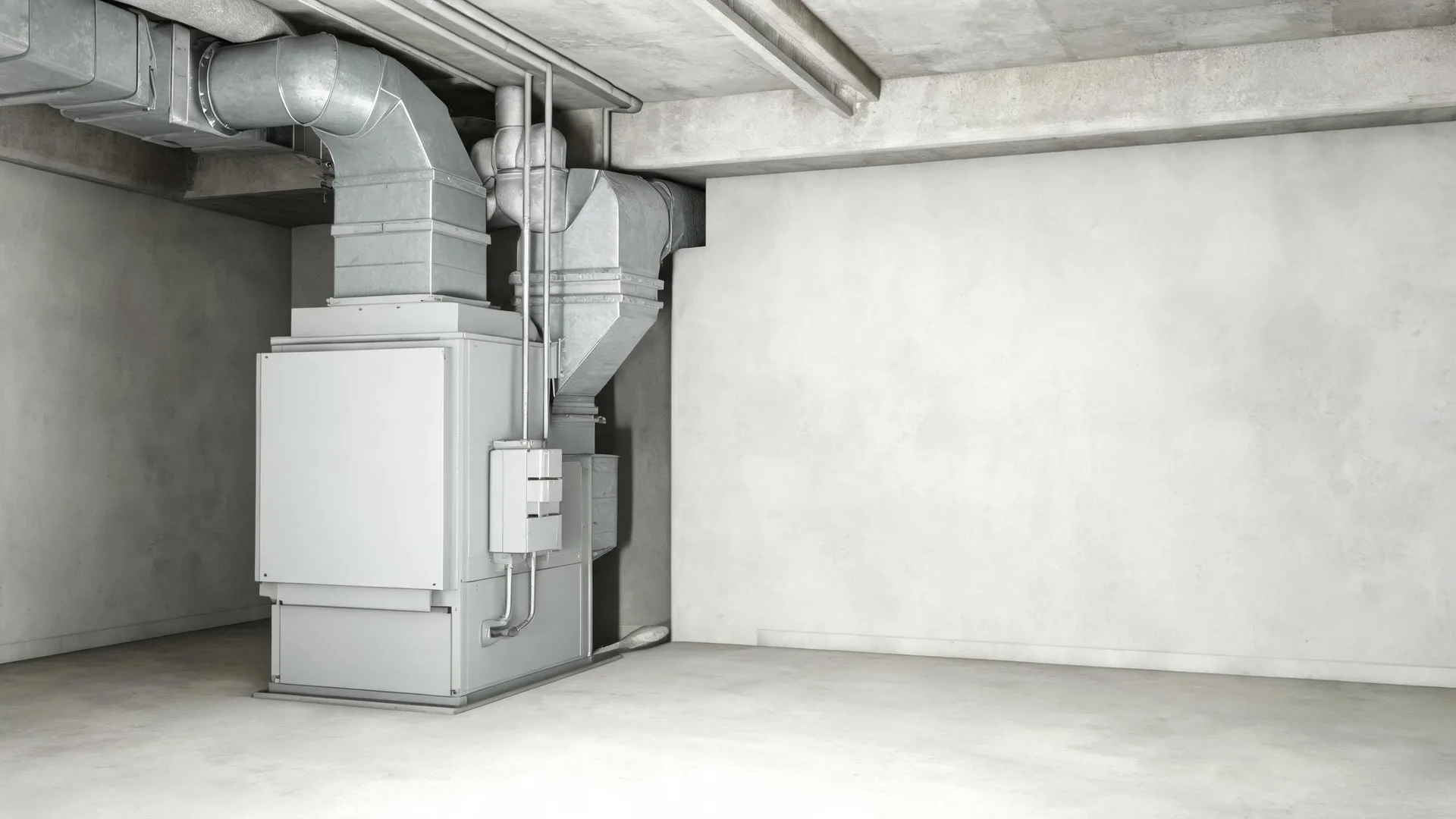
Gas is the common fuel here
Utility gas heats 57.2% of homes in Sunflower County, more than electric and propane combined. A gas furnace is the system most installers here work on week in and week out.
Takes about a minute. No obligation.
Utility gas heats 57.2% of homes in Sunflower County, more than electric and propane combined. A gas furnace is the system most installers here work on week in and week out.
If your home already has a gas line run to it, swapping in a new gas furnace is usually the straightest job. Switching fuel types means adding wiring or gas piping that was never there, which adds work beyond the furnace itself.
NOAA nClimDiv, 1991–2020 normals
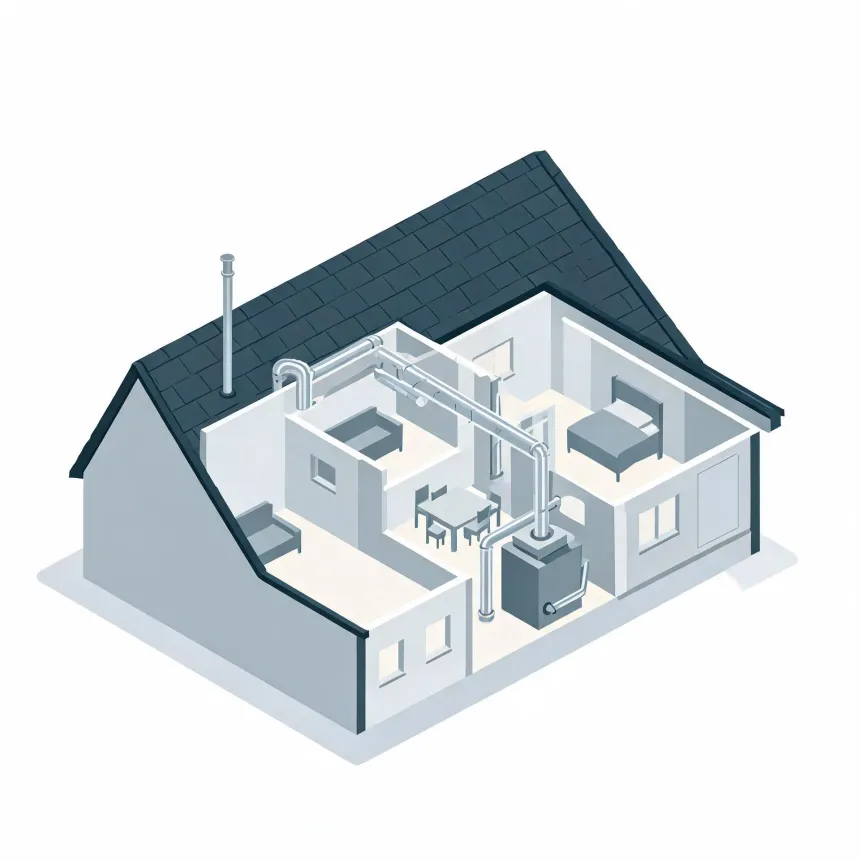
Half the homes in Sunflower County were built in 1977 or earlier, half later.
Furnace sizing depends on the house, not its age, so a load calculation at install time is what gets the size right.




Natural gas ran $15.03 per million Btu in Mississippi homes last year, which is cheap next to most of the country. That changes the math on which furnace to install. A high-efficiency model costs more up front, and with gas this cheap, it takes longer for the lower bills to make up that difference. A mid-efficiency furnace installed well and sized right for your house will keep you just as warm for less money going in. What matters more than the efficiency rating is whether the unit is sized to your home and installed so it runs the way it's supposed to for years.
Five months of heat a year, with overnight lows averaging 37°F in December and January, is not a hard season on a furnace. That makes a mid-efficiency furnace, sized right and installed well, a sound choice here. A top-tier model has its place in a harder climate.
Find a contractor
Watch this furnace across the clip and you'll see it idle more than it runs. Five months of the year it's on at all, and even in December and January the overnight average only drops to 37°F. That's not a system fighting the cold night after night. A mid-efficiency furnace, sized to your house and installed right, holds up fine under that kind of load. The harder jobs are for colder places.
If the existing ducts are the right size for the new furnace, the installer connects to them and moves on. If they're too small or leaky, bringing them up to spec is its own job, separate from the furnace sitting in the basement or closet. A furnace matched to undersized ducts won't heat evenly no matter how good the unit is.
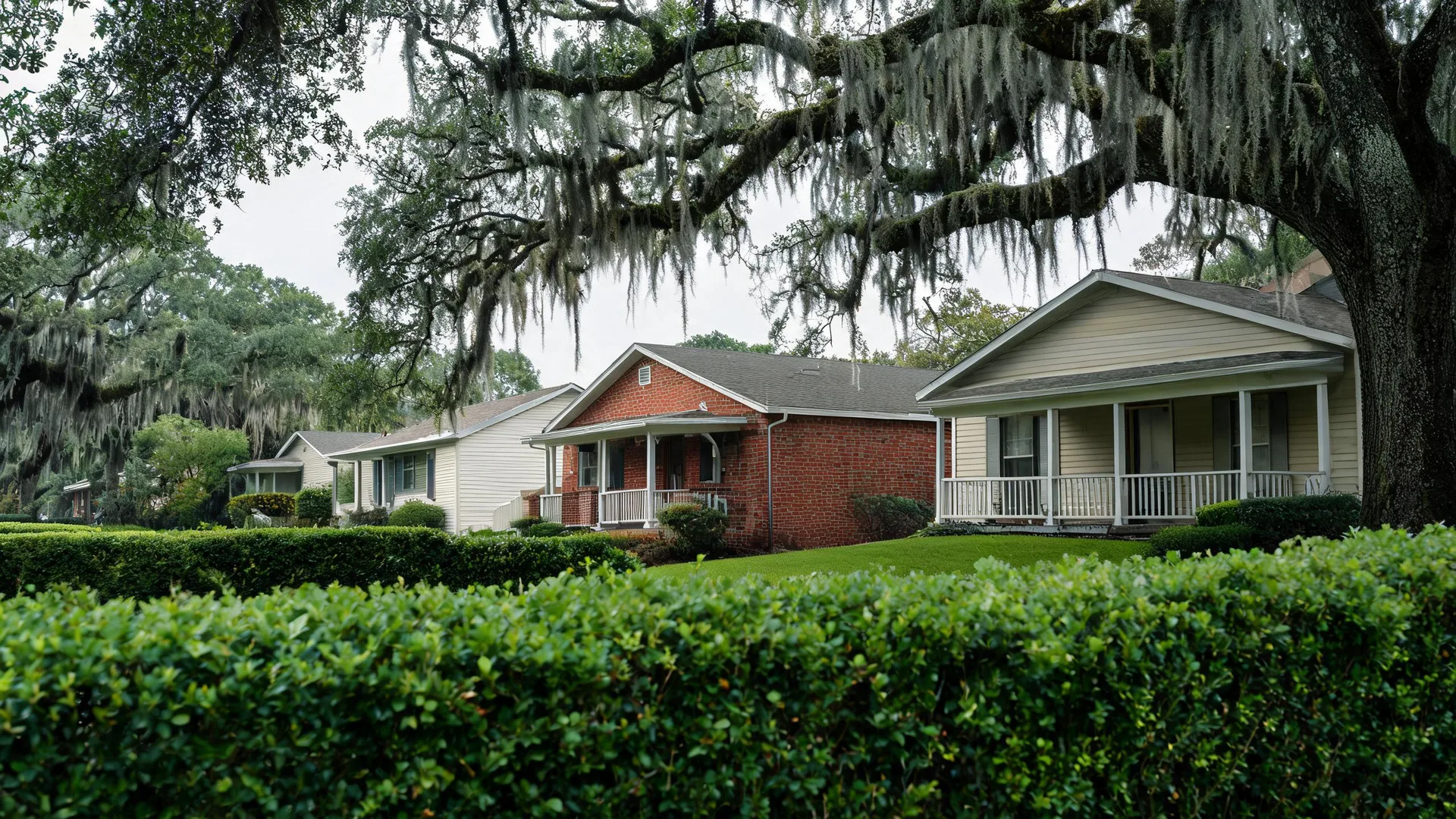
A mid-efficiency furnace vents through a metal flue, usually the one already in place. A high-efficiency furnace vents through PVC pipe run to an outside wall, which means new piping and a place to run it. Swapping efficiency tiers can mean rerouting venting, not just swapping the unit inside the cabinet.
Estimates for a typical Sunflower County home, from EIA household energy data, Mississippi fuel prices and NOAA climate normals. Your home will differ.
The old furnace comes out first, and that's when an installer finds out what's really behind it. The gas line gets checked and reconnected. The flue or vent pipe gets fitted to the new unit, and the electrical gets tied in. Setting the furnace in place and connecting the ductwork is usually the fastest part of the day. What takes the time is everything around it. The connections get sealed, the gas pressure gets checked, and the furnace runs through a full cycle so the installer can watch it fire, ramp up, and shut off the way it should. A good installer tests the safety controls before they leave, not after. By the end of the day the furnace should be running on its own, not just installed but proven to work.