
Heat Pump Maintenance in Mississippi
Electricity costs homes less in Mississippi than in 35 of the other 49 states.
Tell us about the job
Takes about a minute. No obligation.
- 38°Fwinter overnight low where people live
- 5 monthsof heat, November through March
- 91°Fsummer afternoon high where people live
- 6 monthsof cooling, May through October
Storms knock out power here often get the heat pump checked before
- Northern counties need about 41% more heat than southern ones
- Winter nights average 38°F where people live
- Summer afternoons average 91°F where people live
- Heat runs November through March
- Cooling runs May through October
- 378 winter storms from 2015 to 2024


Most Mississippi homes aren't new, and a heat pump gets no season off here
Mississippi households lost power for a day or more more often in 2024 than in 40 of the other 48 states with a figure.
A heat pump that loses power and comes back on without a check can be running with a problem nobody caught yet.

What a tune-up catches before it becomes a breakdown
The signs of trouble that never reach the thermostat
A tune-up starts with the refrigerant charge, because a system low on charge will still blow air and still switch between heating and cooling without ever showing it on the thermostat. That shortage wears down the compressor long before the compressor actually fails. A tech also checks the reversing valve, the part that lets the system switch between warming the house and cooling it. When that valve sticks, the heat pump can get stuck in one mode or waste energy fighting itself between modes, and the thermostat never reports it. Outside, the coil needs clear fins so air can move through it. Dirt and leaves pressed against that coil make the whole system work harder to move the same amount of heat. A tech also looks at the refrigerant lines for oil residue, usually the first sign of a slow leak, long before the system has lost enough charge to lose performance. None of this announces itself. The house still heats. The house still cools. The failure shows up later, on the day the system is asked to work hardest.
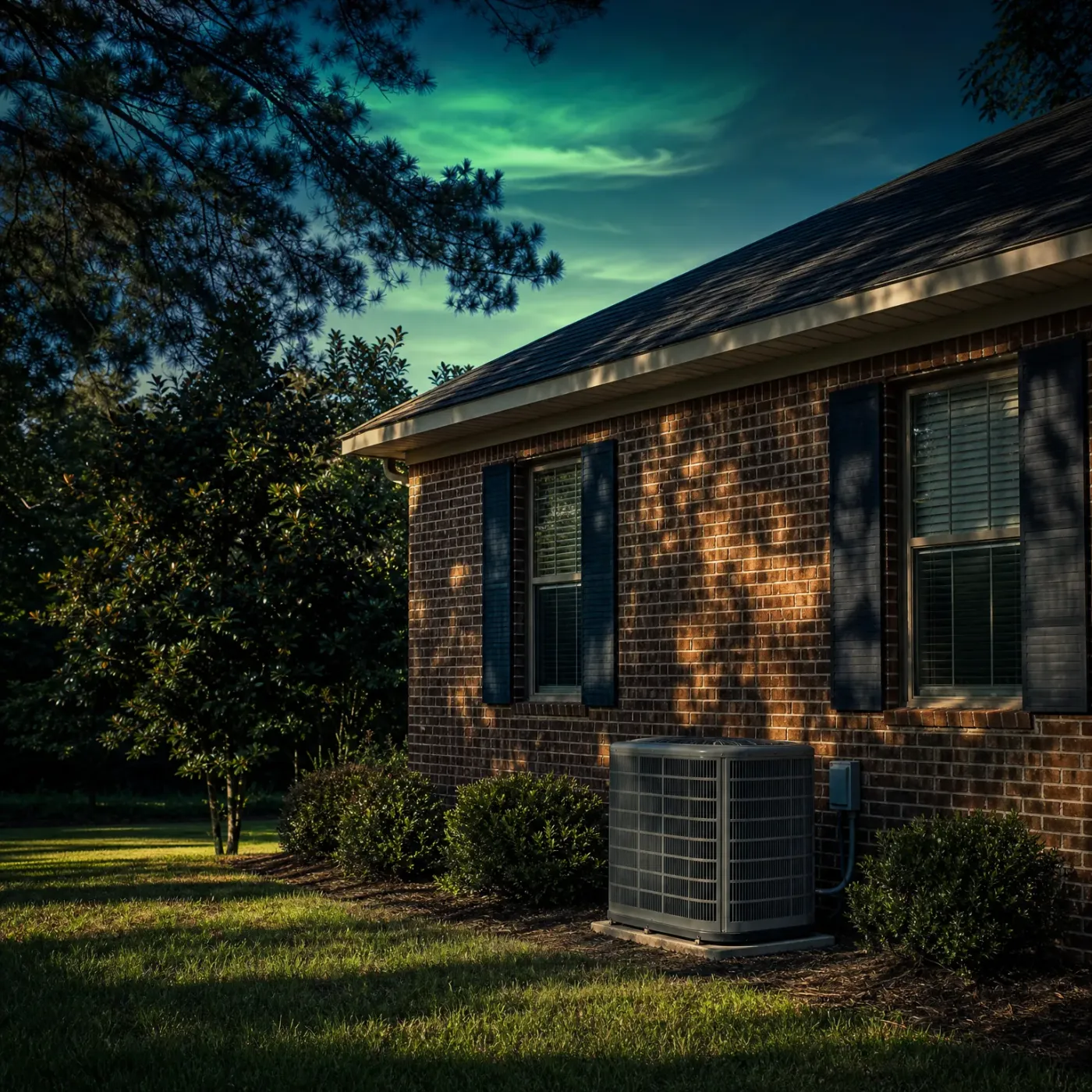
Mississippi splits north to south more than it looks on a map. Homes across the northern counties need about 41% more heat over a year than homes across the southern counties, and the gap in cooling runs the other way, with southern homes needing about 16% more than northern ones.
Alcorn County, up in the north, sees winter nights average 32°F across December, January and February. That's the coldest spot in the state, and homes there need about 98% more heat over a year than homes in Hancock County, where the state's heating need is lowest and winter nights average 43°F.
Hancock County carries the opposite load. It needs about 50% more cooling over a year than Tishomingo County, where the state's cooling need is lowest. A heat pump on the coast is leaning on its compressor for cooling most of the year it would spend idle up north.
If you're in the northern counties, the harder season for your system is winter, and a tune-up before November catches what the cold will find. If you're closer to the coast, summer is where the system earns its keep, and a check before May matters more. Either way, the machine isn't resting the other half of the year. It's just working a different direction.
What does a heat pump in Mississippi face?
How hot do summer afternoons get?
91°Faverage afternoon high where people live
Alaska66°F
Arizona101°F
How cold do winter nights get?
38°Faverage overnight low where people live
North Dakota4°F
Hawaii65°F
How many months does the heat run?
5 monthsof heating a year
Hawaii0 months
Alaska12 months
What does electricity cost?
13.39¢per kWh (kilowatt hours, the unit on an electric bill), what homes paid in 2024
North Dakota11.51¢
Hawaii42.86¢
How often do storms hit?
142severe weather events per county from 2015 to 2024
Alaska5
Wyoming1,057
How many homes lost power for a day or more?
30%of homes in 2024
Arizona7%
Maine54%
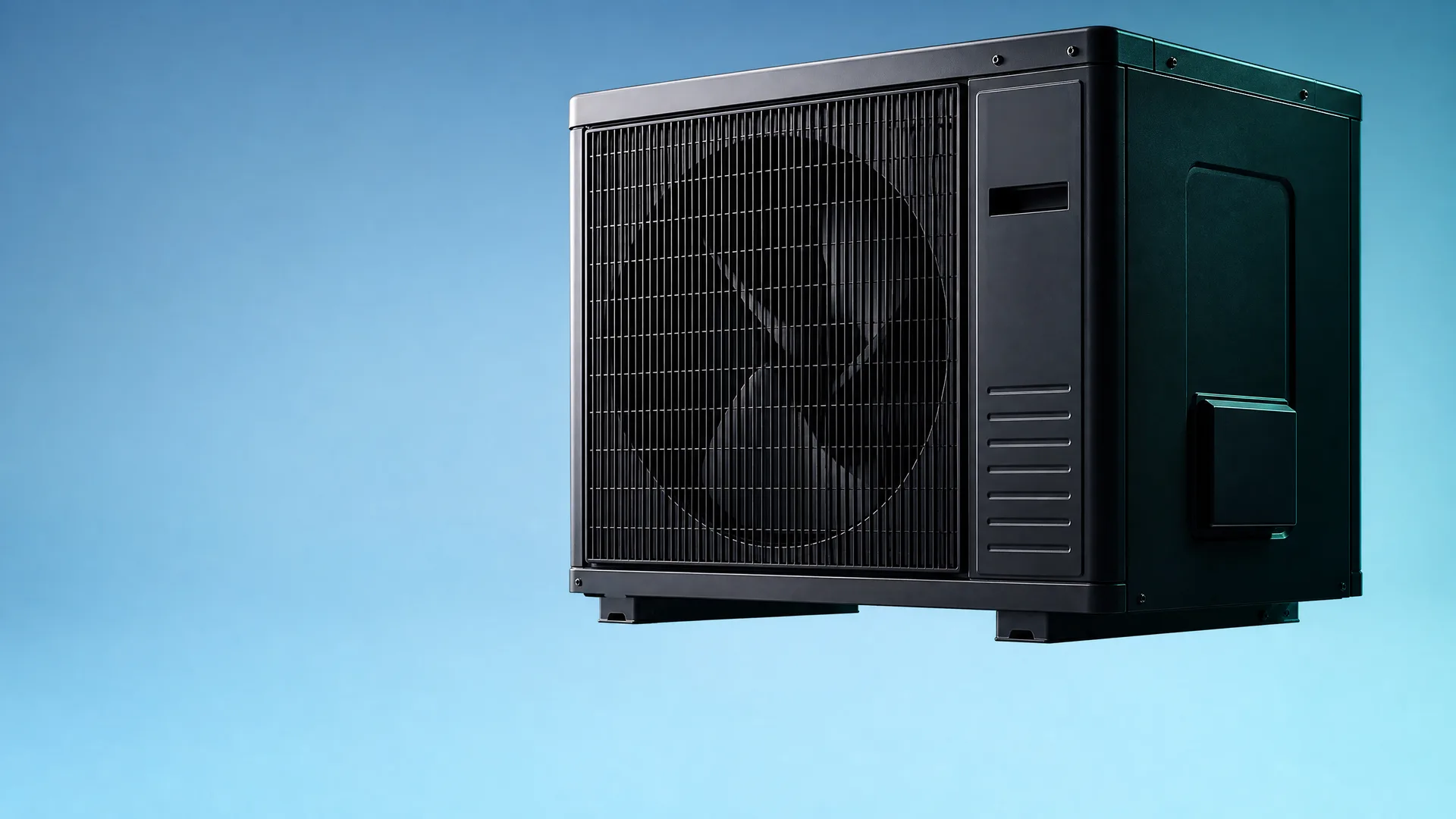
A heat pump here doesn't get an off season
A heat pump here works both sides of the thermostat. Cooling runs May through October, longer than in 44 of the other 49 states. Heat takes over come November and holds through March. That's most of the year with the compressor and the reversing valve under load, and almost no stretch where the system just sits idle. A slow leak or a weak part doesn't get time to sit quiet. It shows up fast, usually on the first hard day of the season.
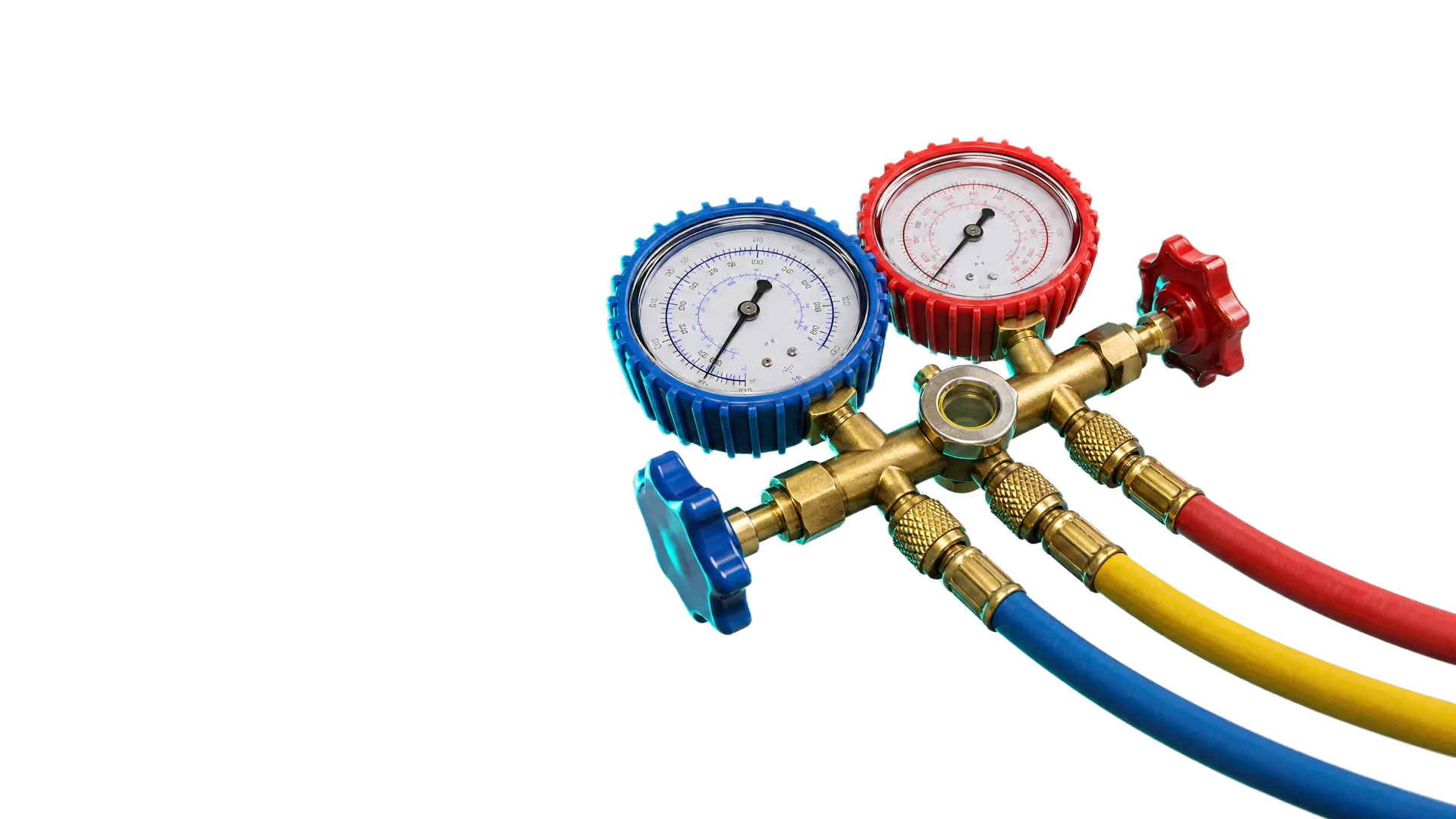
What a heat pump tells you before it fails
A heat pump gives some warning before it quits, but most signs don't look like trouble. Short cycling is one. The system kicks on, runs a few minutes, shuts off, then starts again soon after. That usually means the compressor is struggling to reach a steady state. Ice on the outdoor unit in the middle of a mild day, when no defrost cycle should be running, points to a refrigerant problem or a failing defrost control. A system that runs long stretches without ever quite satisfying the thermostat is often low on charge or losing airflow across the indoor coil. None of these stop the house from heating or cooling today. They just mean the system is working harder than it should, and that extra strain lands on the compressor, the part hardest to replace and the one least able to show its wear from the outside.

Filters get checked at every tune-up because a clogged one chokes airflow across the indoor coil, and a heat pump starved for airflow will ice up or run long without catching up to the thermostat. A tech also cleans the condensate drain so it can't back up and spill into the house. Electrical connections get tightened, since a loose connection at the contactor or capacitor runs hot and shortens the life of whatever it's feeding power to. None of this is dramatic work. It's the kind of thing that only matters on the day it would have failed.
The defrost cycle gets tested too, because that's what keeps ice from building up on the outdoor coil during cold weather. A tech runs the system into defrost and watches it come out the other side clean. If the sensor or control board is slow to call for defrost, frost builds past what the coil can shed on its own, and airflow drops from there. The outdoor fan motor gets checked for play in the bearings and for amp draw out of range, since a motor pulling too much current is usually a motor close to the end. Thermostat calibration gets confirmed last, so the temperature it reports is the temperature the house is actually at.
Heat pumps here run most of the year, so worn parts get found on the job, not at a checkup.
Tell us about the job
Takes about a minute. No obligation.
Fill out the form and a licensed contractor in Mississippi will contact you about a tune-up.