





Night view of illuminated white Southern-style houses with wraparound porches beneath Spanish moss-draped oak trees.

Heat Pump Maintenance in Picayune, MS

Tell us about the job

Takes about a minute. No obligation.

Tune-up, service, or cleaningHeat PumpPearl River County, MS
Step 1 of 2

What ZIP code is the job in?

Half the homes in Pearl River County were built in 1990 or later. If your house is one of them, the heat pump that came with it may still have a lot of working life left. A yearly check is what keeps it that way. Catching a weak capacitor or a coil that needs cleaning early means the system keeps running the way it was built to, instead of losing efficiency year over year without you noticing.

A dirty filter chokes airflow across both coils, indoor and out.

Coils that stay clean let the system move heat the way it was designed to, all year.

October is the month to get it checked, before heat runs in November

Cooling runs May through October
Heat runs November through March
Power costs 13.39 cents a kWh statewide
Picayune weather takes it out on your heat pumpPearl River County logged 64 severe weather events in the last ten years.

A quick visit usually means someone glances at the unit, checks that air is moving, and calls it done. A thorough one means the panel actually comes off. That difference matters because most of what fails in a heat pump doesn't show up as obvious noise or smell until it's further along than it should be. A capacitor gets tested under load, not just eyeballed. The refrigerant charge gets checked against gauges, not guessed from how cold the line feels. The reversing valve gets run in both directions, since a system can heat fine and still be failing on the cooling side, or the other way around. If a visit takes the same amount of time every year no matter what's found, that's worth asking about.

Keep it in good shape

If your system is fairly new, a yearly check keeps it in good shape for longer.

Find a contractor
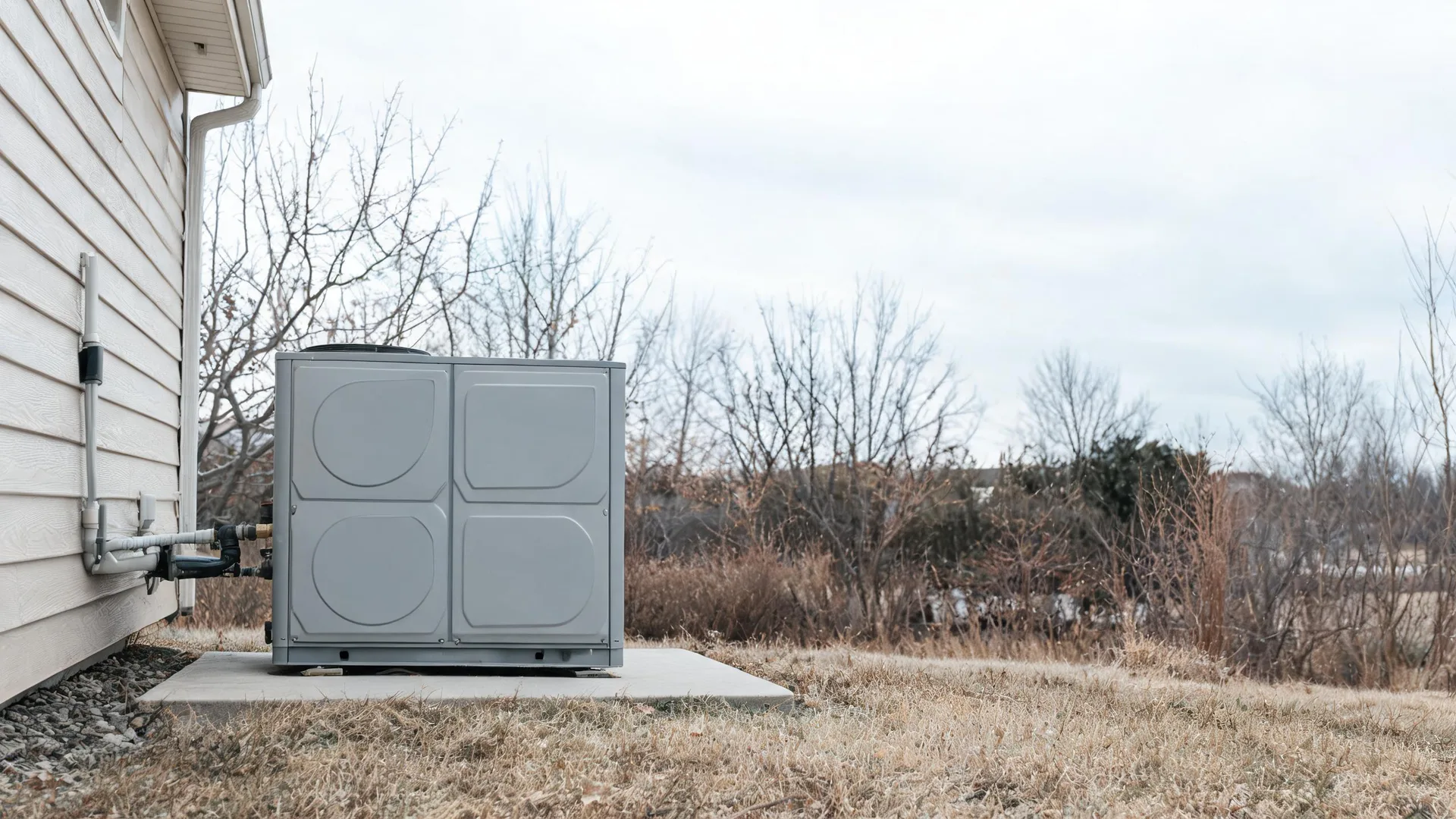
A gray heat pump outdoor unit mounted on a concrete pad next to the stone-accented exterior wall of a house.

Between visits, the filter and the outdoor coil are yours to watch

A heat pump runs in both directions, cooling the house part of the year and heating it the rest, so it never really sits idle the way a furnace does in summer. The one thing worth doing yourself between visits is checking the filter and swapping it when it looks gray or packed with dust. A clogged filter makes the blower work harder to push the same air, and that strain reaches all the way back to the compressor. Outside, keep the area around the unit clear of leaves, grass clippings and anything stacked against the cabinet. The outdoor coil needs open air moving across it to do its job, same as the indoor coil needs clean air through the filter. If you ever see ice building on the outdoor unit while it should be heating, or the indoor vents blowing air that feels cool when it should feel warm, that is worth a call rather than waiting for the next scheduled check.

What gets measured, not just looked at

A tech checks refrigerant pressure against what the system is supposed to run at, not just whether the lines feel cold. Low charge can still blow cold air while the compressor works harder than it should and wears down faster than it needs to. The only way to catch that early is to put gauges on it.
What a reversing valve failure looks like before it happens

The reversing valve is what switches a heat pump between heating and cooling, and a sticking valve can start failing in one direction while the other still works fine. A tech runs the system in both modes during a tune-up, something most homeowners never think to test, because the system seems fine running in whichever mode they last used it.

A few signs are worth paying attention to on your own, before they turn into a bigger repair. Warm air blowing from the vents when the system should be heating, or cool air when it should be cooling, usually means the reversing valve is starting to stick. A low hum or click from the outdoor unit that wasn't there before can mean the contactor or capacitor is wearing out. If the system runs longer than it used to, or cycles on and off more than it should, the compressor is working harder to do the same job. Ice on the outdoor coil outside of a defrost cycle is never normal and shouldn't wait. None of these mean the system is done, but all of them mean it's time to have someone look before the part that's struggling takes others down with it.

A tune-up also means pulling the panel and looking at things a gauge won't catch. Wiring connections loosen over time from the system cycling on and off, and a loose connection runs hotter than it should. The contactor gets inspected for pitting, since that's the switch doing the work every time the compressor kicks on. Capacitors get tested under load rather than just looked at, because a capacitor can measure close to right and still fail the next time the compressor tries to start. The condensate drain gets checked too, since a blocked drain backs up and can shut the system down on its own as a safety measure. Catching any of this during a scheduled visit means the system keeps running. Finding it during a breakdown means it doesn't.