
Heat Pump Installation in Mississippi
Electricity costs homes less in Mississippi than in 35 of the other 49 states.
Tell us about the job
Takes about a minute. No obligation.
- 38°Fwinter overnight low where people live
- 5 monthsof heat, November through March
- 91°Fsummer afternoon high where people live
- 6 monthsof cooling, May through October
What does a heat pump in Mississippi face?
How hot do summer afternoons get?
91°Faverage afternoon high where people live
Alaska66°F
Arizona101°F
How cold do winter nights get?
38°Faverage overnight low where people live
North Dakota4°F
Hawaii65°F
How many months does the heat run?
5 monthsof heating a year
Hawaii0 months
Alaska12 months
What does electricity cost?
13.39¢per kWh (kilowatt hours, the unit on an electric bill), what homes paid in 2024
North Dakota11.51¢
Hawaii42.86¢
How often do storms hit?
142severe weather events per county from 2015 to 2024
Alaska5
Wyoming1,057
How many homes lost power for a day or more?
30%of homes in 2024
Arizona7%
Maine54%
Installed before Mississippi needs it
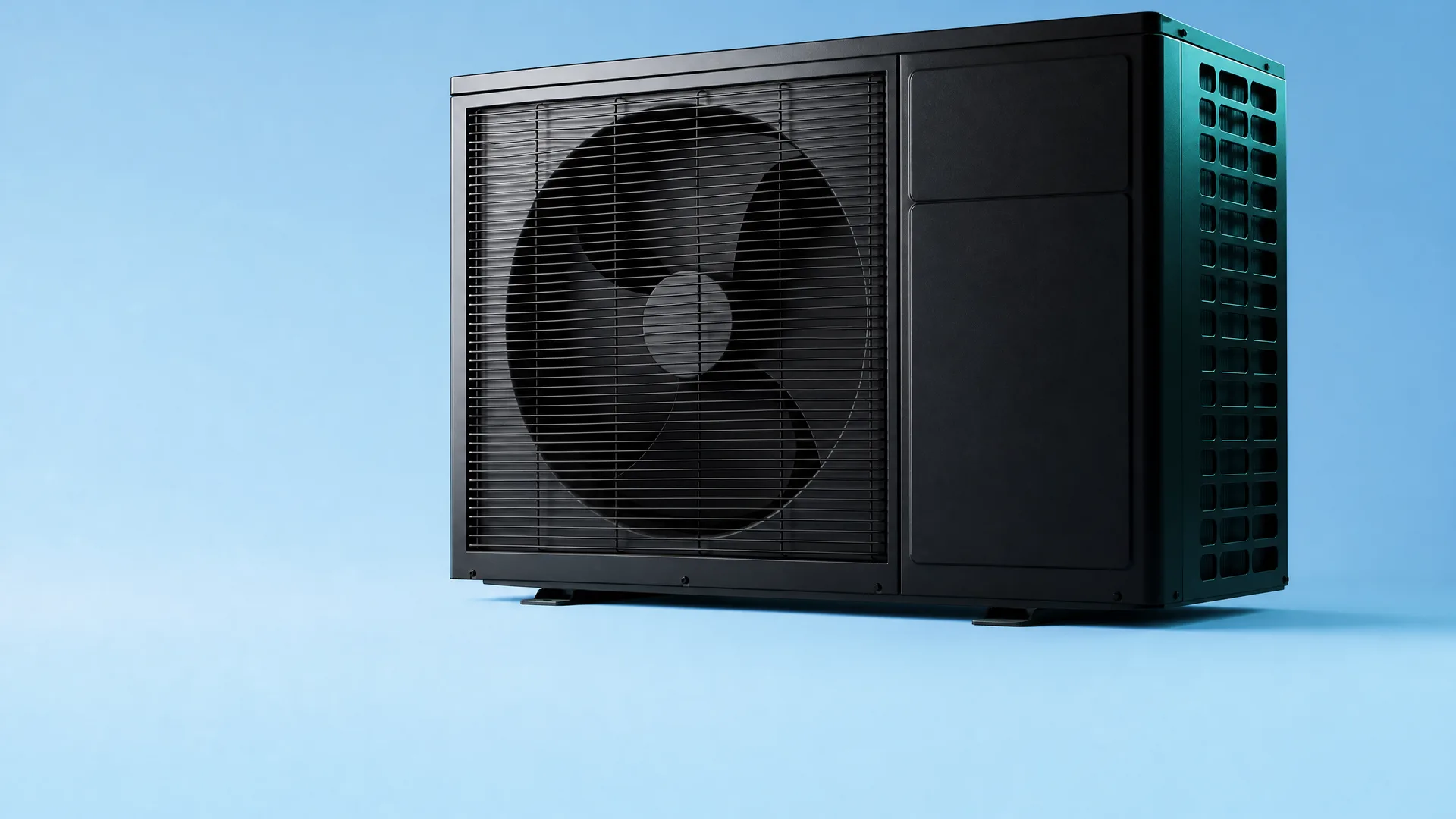
April is the month to get this done. Cooling starts up in May and runs through October, six months straight, longer than in most of the country. A heat pump put in before that stretch begins has time to be sized and set up right, instead of getting rushed in on the first hot week. Winters here are short, November through March, so this same system carries both jobs. Get it in before the heat hits and it has already proven itself by the time cold mornings show up.
Electricity heats 58.9% of homes in Mississippi, more than any other fuel, with utility gas a distant second at 29.3%.
Most homes here already run on electricity, so a heat pump replacing an electric furnace or electric coils is a straightforward swap, not a rewire job.

Heat Pump Installation in Mississippi
Built for what Mississippi asks of it, not just the lowest bill
Electricity here runs 13.39 cents a kilowatt-hour, cheaper than 35 other states charge their homes. That changes what to look for. A system that saves a little more on paper but costs more to buy won't earn that difference back quickly on a power bill this low. What matters more is whether it's sized and installed to handle a Mississippi summer without strain, and whether it keeps running when storms knock the power out and back on. Get the fit right first.
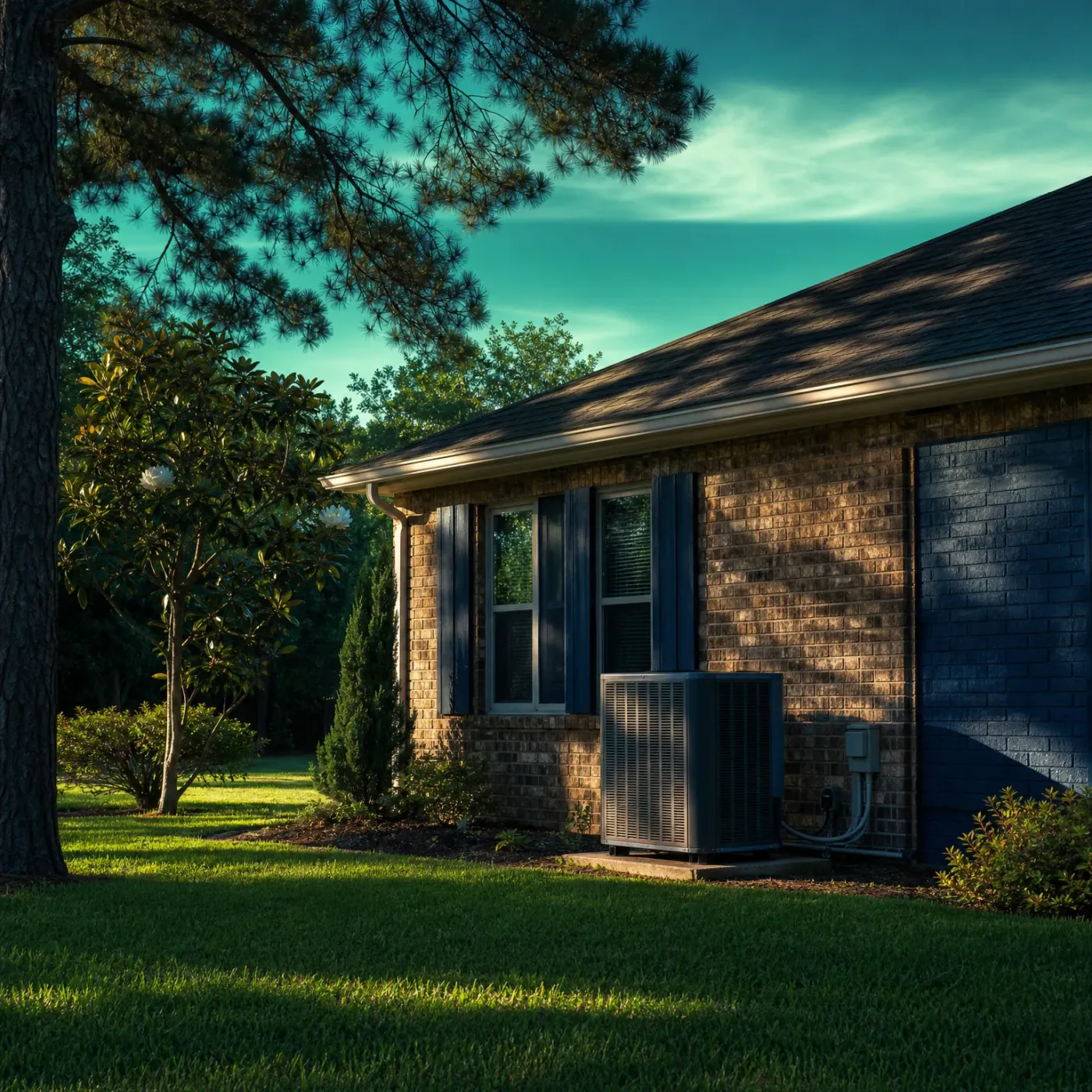
Mississippi splits north to south more than it splits any other way. Homes in the northern counties need about 41% more heat over a year than homes in the southern counties, and Alcorn County needs about 98% more heat than Hancock County, where heating need is lowest in the state. A heat pump sized for a home on the coast would come up short for a home in Alcorn County.
Cooling runs the other way but doesn't close the gap by nearly as much. Southern counties need about 16% more cooling over a year than northern counties, and Hancock County needs about 50% more cooling than Tishomingo County, where cooling need is lowest in the state. The coast asks more of a system in summer, the north asks more of it in winter, and neither half gets to skip a season.
Winter nights show the same divide. Northern counties average 35°F on a winter night, southern counties 40°F. Alcorn County runs coldest, Hancock County mildest. A heat pump doing fine on a January night near the coast could be working harder the same night further north.
None of this changes when the seasons run statewide. Heat is still a five month job, November through March, and cooling is six, May through October. What changes is how hard the unit works inside those months depending on which county it serves, which is why the same heat pump spec doesn't fit Alcorn County and Hancock County equally well.
Storms here knock out power more often A standard heat pump still fits fine
- Northern counties need about 41% more heat than southern ones
- Winter nights average 38°F where people live
- Summer afternoons average 91°F where people live
- Heat runs November through March
- Cooling runs May through October
- 378 winter storms from 2015 to 2024

Half of Mississippi's homes were built in 1986 or earlier.
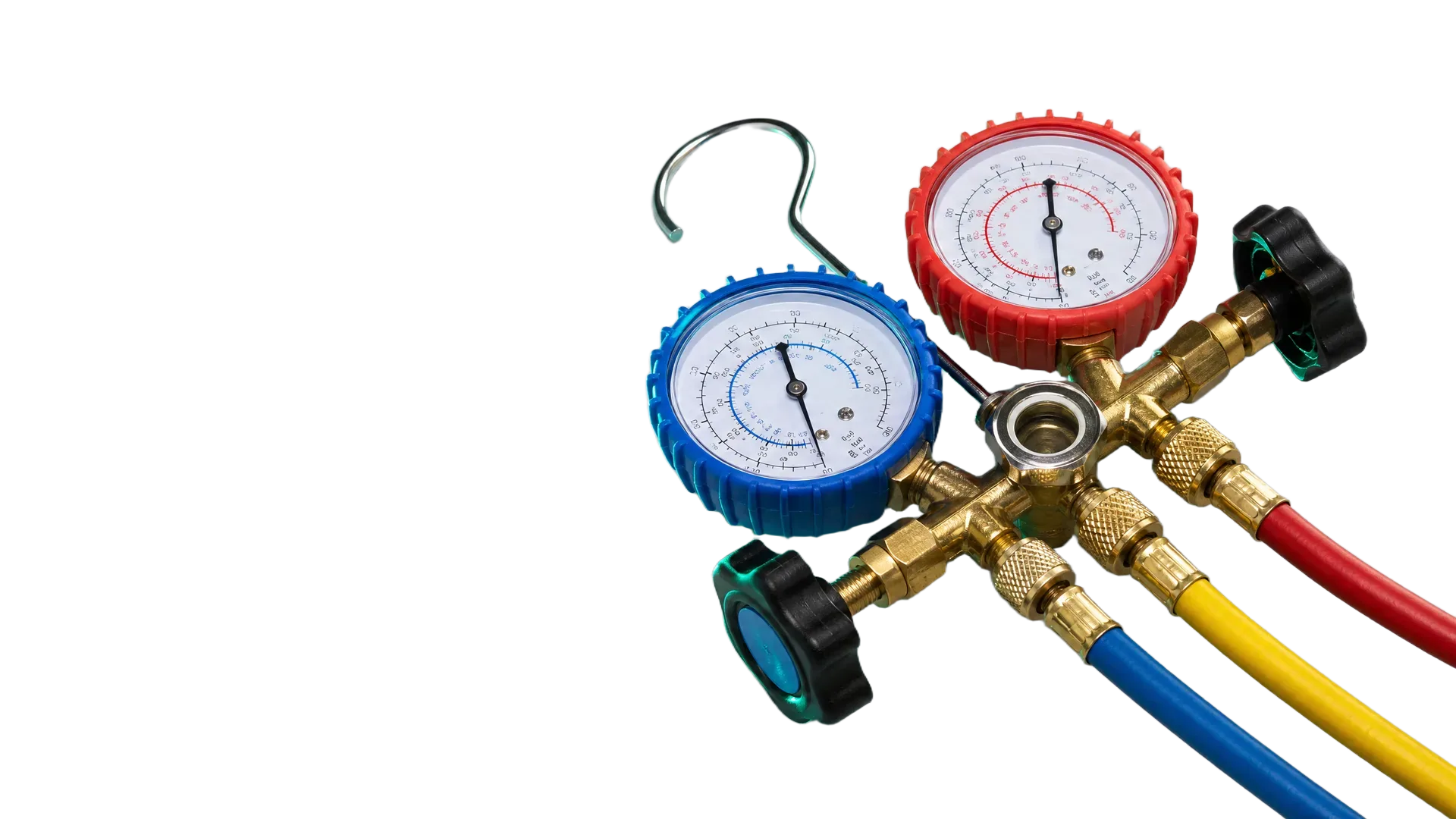
What the rating on the label actually tells you
The rating on a heat pump's label tells you how much heat it moves for the electricity it uses, both in cooling mode and in heating mode. Two numbers, usually printed side by side, because the unit has to run both ways. A higher number means the system gets more work out of the same electricity. It doesn't mean the system heats or cools faster, and it doesn't mean the house ends up warmer or colder. It means the compressor is doing its job with less waste.
That number comes from lab testing under set conditions, not from your attic or your ductwork. A heat pump can carry a high rating and still run up a high bill if it's the wrong size for the house, if the ducts leak, or if it's installed without enough airflow across the coil. The rating describes the machine. It doesn't describe the install. A top-rated unit put in wrong will underperform a mid-rated one put in right.
The rating also isn't a flat number you get every hour the system runs. It reflects performance across a range of conditions, averaged out. On the hottest days or the coldest nights, any heat pump works harder and pulls more power than its rating alone suggests. That's normal. The rating tells you how the system performs over a season, not what it draws on any single afternoon.

Six months of cooling and five of heat means this system barely gets a break between seasons. May through October it's pulling heat out of the house, then by November it's putting heat back in, with maybe a few weeks of rest in between. A heat pump sized right for that load holds up. One picked by guesswork shows its weak points early, usually the first real heat wave or the first hard freeze.
Mississippi needs heat for fewer months than 41 other states, but it needs cooling for more months than 44 of them. That second number is the one to size around. A unit that's a little undersized on cooling will run long hours all summer trying to catch up, and long hours wear on a compressor faster than short cycles do. Ask whatever contractor quotes the job to size it off a load calculation for your house, not off the square footage of the last one they did.
Most Mississippi homes already heat with electricity, so a heat pump steps into wiring that's already there.
Tell us about the job
Takes about a minute. No obligation.
Fill out the form and a licensed contractor sizes the job to your house and your county.