Single-story houses with covered porches sit behind a mowed lawn and a long trimmed hedge, framed by oak branches draped with Spanish moss.

Heat Pump Installation in Starkville, MS

Tell us about the job

Takes about a minute. No obligation.

New system or replacementHeat PumpOktibbeha County, MS
Step 1 of 2

What ZIP code is the job in?

Removal is part of the job

The old condenser, the air handler or furnace, the line set, all of it comes out before the new equipment goes in. A contractor disconnects the refrigerant lines, the electrical, and any ductwork tied into the old unit, then hauls the equipment away.

The refrigerant has to come out first

If the old system is still holding refrigerant, it has to be recovered into a tank before anything gets disconnected. It cannot be vented into the air. That step happens before the old unit is cut loose, not after.

5 months
November through March, your system heats
5 months
May through September, it cools
35°F
the average winter night it heats against
91°F
the average summer afternoon it cools against
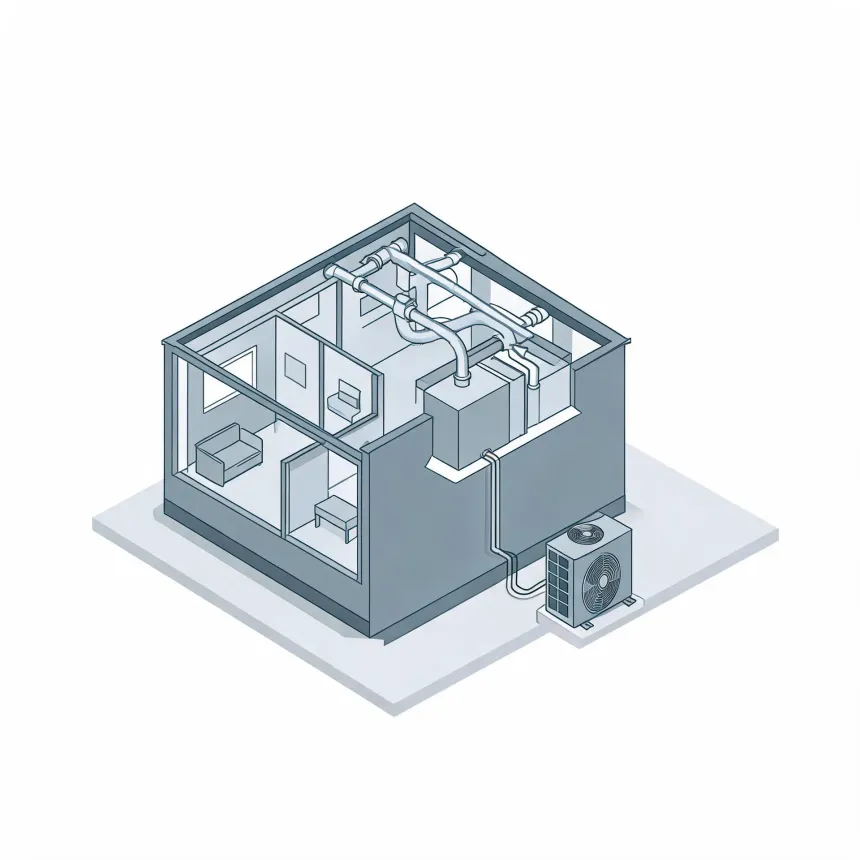
Isometric line illustration of a cutaway house showing interior rooms with furniture, ceiling ductwork connected to an indoor air handler, and refrigerant lines running to an outdoor condenser unit on a pad.
Your system heats November through March and cools May through September.

NOAA nClimDiv, 1991–2020 normals

Electricity heats 65.7% of homes in Oktibbeha County.

A heat pump runs on the fuel most houses here already have, so the electrical side of the job is usually a hookup, not a new service.

13.39 cents a kWh means the payback math favors a reliable system over the most efficient one

Power costs 13.39 cents a kWh statewide
Climate zone 3A
Cooling runs May through September

Any heat pump installed here now has to hit 14.3 SEER2 for cooling and 7.5 HSPF2 for heating. That is the federal minimum as of January 2023, no matter what came out of the wall before it. Oktibbeha County runs long summers and a short, mild winter on the humid side, so the cooling number carries more weight here than the heating one does. A system that clears these minimums can also qualify for the federal tax credit. Ask what SEER2 and HSPF2 a unit carries before it goes in, not after.

Put the new system in before May

Cooling starts in May here and runs five months straight. A heat pump installed in April goes in on your schedule, with time to sort out the ductwork and the electrical before the first hot week asks anything of it.

Find a contractor
A man in a cap, dark shirt and tan work pants, seen from behind, carries a canvas tool bag up steps toward a blue front door beside a potted shrub.
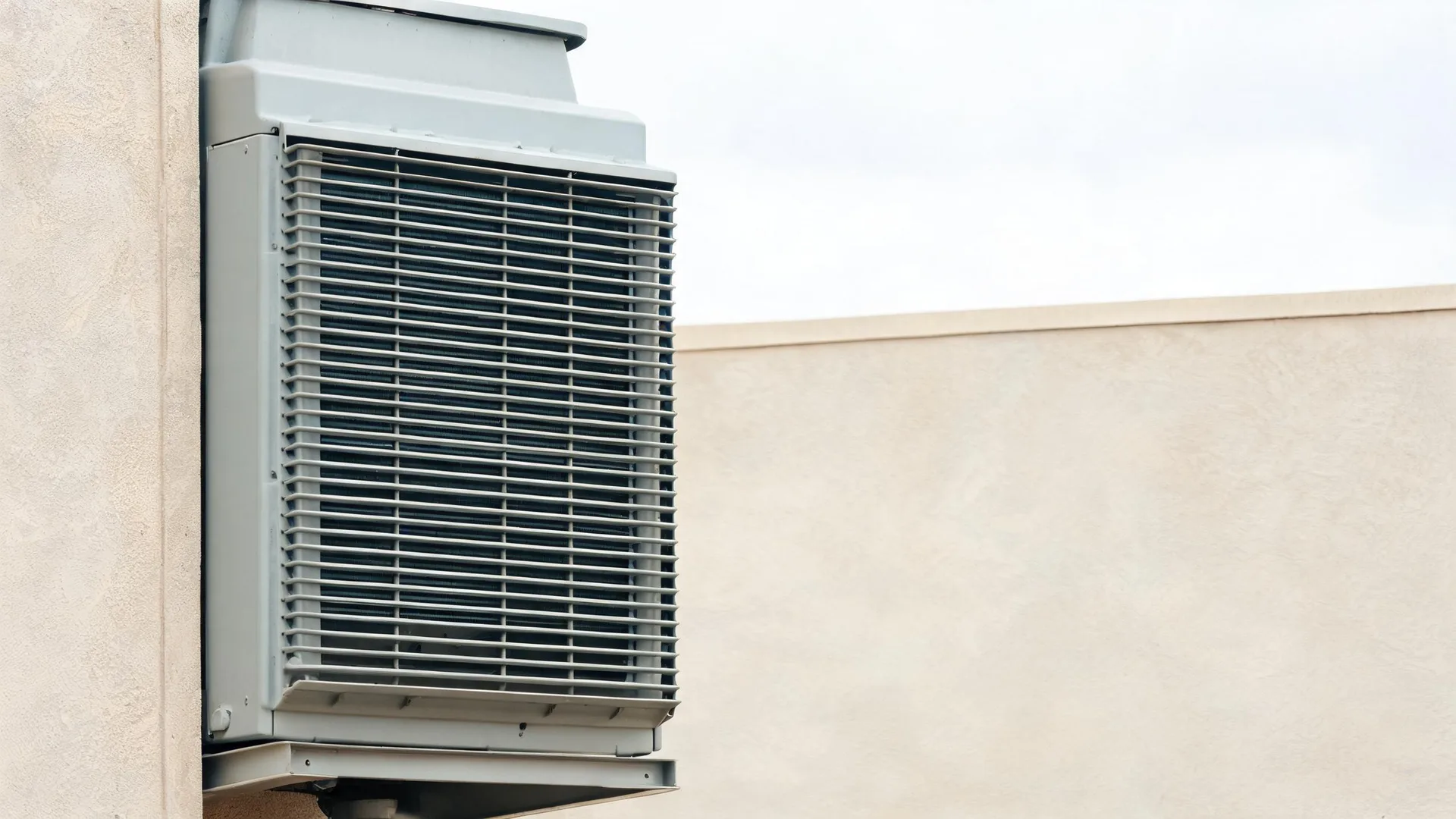
A gray heat pump condenser unit mounted on a concrete pad against the gray lap-siding exterior wall of a house.

What runs the bill is everything around the unit, not the unit

Installation cost tracks how much has to change beyond the equipment itself. A straight swap, same spot, same line set, same ductwork, is the cheapest version of this job. Cost climbs when the ductwork needs to be resized or extended, when the electrical panel needs a new circuit or more capacity for the air handler and the outdoor unit, or when the old system was undersized and the new one needs a larger air handler to match. Where the equipment sits matters too. A condenser that's easy to access costs less to set than one wedged against a wall or up on a stand that needs rebuilding. The brand on the unit matters less than its size and its rating. A unit sized wrong for the house, too big or too small, cycles more and wears sooner, so right-sizing costs something up front but saves on the system over its life.

The rating covers cooling and heating separately

A heat pump has a cooling rating and a heating rating printed side by side, because the same unit does both jobs and can do them unevenly. A unit can cool very well and still lean hard on backup heat once it gets cold out. Check both numbers, not just whichever one is printed largest.

The rating assumes the rest of the system is right

The efficiency number comes from lab testing with the correct refrigerant charge and full airflow across the coil. A clogged filter, a duct run that restricts airflow, or a refrigerant charge that's off pulls the real performance below what's on the label. The equipment can only hit its rating if everything feeding it is sized and set correctly.

Sizing a heat pump starts with a load calculation, working out how much heat the house loses in winter and gains in summer, room by room, accounting for window area, insulation, and ceiling height rather than square footage alone. That number, not whatever size the old unit happened to be, is what the new equipment gets matched to. Too big and the unit short cycles, blasting the space to temperature and shutting off before it finishes pulling moisture out of the air, so the house ends up cold and damp instead of comfortable. Too small and it runs flat out on the coldest days and still falls behind, leaning hard on backup heat strips to make up the difference. The right size runs longer, steadier cycles, and that steadiness is what actually keeps temperature and humidity even from room to room.

Install day starts with the load calculation already done and the equipment already matched to the house, so the work itself is mechanical. The old unit comes out first, then the new condenser gets set on its pad and the air handler goes in where the old one sat, or where the load calculation says it should. Line sets get run or reused, joints get brazed, then the whole system gets pressure tested before any refrigerant goes in. A leak found at that stage is simple to fix. A leak found after the charge is in means pulling it all back out. Once the system holds pressure, it gets evacuated with a vacuum pump to pull out moisture and air, because either one left behind ruins the refrigerant and can damage the compressor. Only after that does the refrigerant go in, weighed to the exact charge the manufacturer specifies for that line length. Electrical hookup and a thermostat or control board come last, then the whole system runs through its paces, cooling and heating both, with airflow and temperature checked at the vents before anyone calls it done.