
Heat Pump Repair in Mississippi
Electricity costs homes less in Mississippi than in 35 of the other 49 states.
Tell us about the job
Takes about a minute. No obligation.
- 38°Fwinter overnight low where people live
- 5 monthsof heat, November through March
- 91°Fsummer afternoon high where people live
- 6 monthsof cooling, May through October
What does a heat pump in Mississippi face?
How hot do summer afternoons get?
91°Faverage afternoon high where people live
Alaska66°F
Arizona101°F
How cold do winter nights get?
38°Faverage overnight low where people live
North Dakota4°F
Hawaii65°F
How many months does the heat run?
5 monthsof heating a year
Hawaii0 months
Alaska12 months
What does electricity cost?
13.39¢per kWh (kilowatt hours, the unit on an electric bill), what homes paid in 2024
North Dakota11.51¢
Hawaii42.86¢
How often do storms hit?
142severe weather events per county from 2015 to 2024
Alaska5
Wyoming1,057
How many homes lost power for a day or more?
30%of homes in 2024
Arizona7%
Maine54%
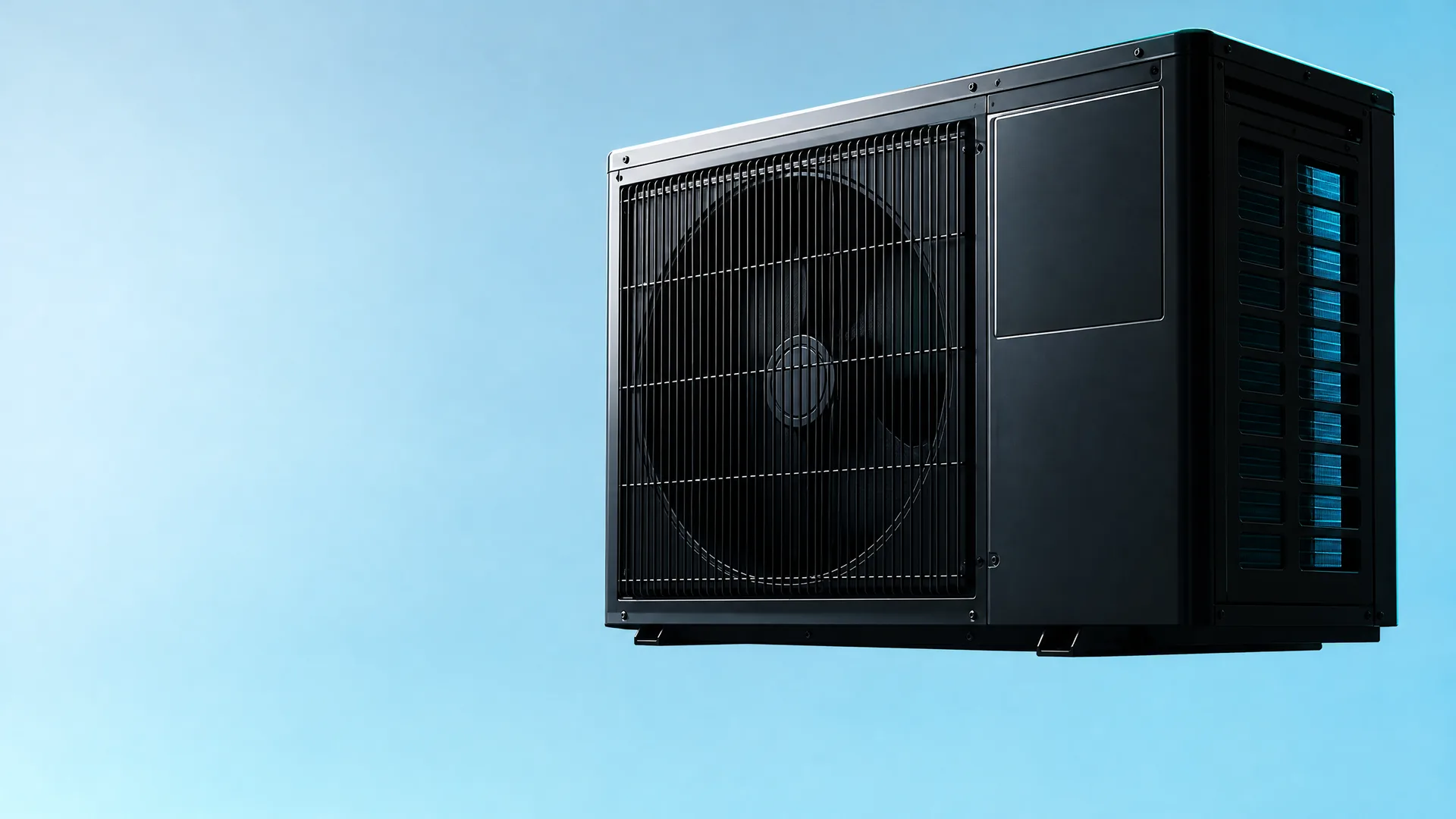
A system that rarely gets a break
A heat pump in Mississippi switches between heating and cooling instead of sitting idle for part of the year. Cooling runs May through October, then heating takes over from November through March. There's only a short stretch in between to shift modes. The reversing valve, the part that switches it between heating and cooling, gets worked more here than in colder states where the system just heats. When a heat pump short cycles, blows air that isn't warm or cool enough, or runs constantly without catching up, the cause is usually tied to that long stretch of near-continuous use.
Nothing unusual about the house
Nothing about Mississippi housing points to a harder repair here. Most of the state is single-family houses, with mobile homes making up a smaller share of the total. Homes here skew newer than in most states, not older. None of that changes what a heat pump needs. If yours is short cycling or running without catching up, the cause is usually ordinary. A dirty filter. A low charge. A failing capacitor. A reversing valve worn out from constant use. Whatever built your house or sits around it, the fix is the same one a tech would reach for anywhere else.

What to check before you call anyone
A few minutes at the thermostat and the outdoor unit can tell you a lot
Before you call, check the thermostat first. Make sure it's set to heat or cool as needed and the setting is a few degrees off the current room temperature, not matched to it. Next, go look at the outdoor unit. If the coil is covered in leaves, dirt or ice, that alone can stop a heat pump from keeping up, and it's something you can often clear by hand. Check the filter. A filter clogged with dust chokes the airflow the whole system depends on, and it's the single most common reason a heat pump struggles. While you're inside, check that supply vents in each room are open and nothing is blocking them, a couch pushed in front of a vent will do it. If you have a breaker box nearby, check that the breaker for the outdoor unit hasn't tripped. What you shouldn't do is open up the unit itself or touch the refrigerant lines. A low charge or a bad reversing valve needs a gauge set and training to fix safely. If the ice on the outdoor coil doesn't melt off within an hour of switching the system off, or the unit is tripping its breaker more than once, stop testing and call someone.
Cooling runs longer here than heating Six months of summer load, every year
- Northern counties need about 41% more heat than southern ones
- Winter nights average 38°F where people live
- Summer afternoons average 91°F where people live
- Heat runs November through March
- Cooling runs May through October
- 378 winter storms from 2015 to 2024


- Refrigerant charge gets checked against the system's actual spec, not just topped off until it blows cold again
- A failing capacitor or contactor gets replaced before it strands the outdoor unit on the next run
- The reversing valve gets tested under power, confirming it switches between heating and cooling on command
- Airflow across the indoor coil gets measured, so a duct or blower problem isn't mistaken for low refrigerant
- Defrost controls get checked so the outdoor coil clears itself instead of icing over run after run
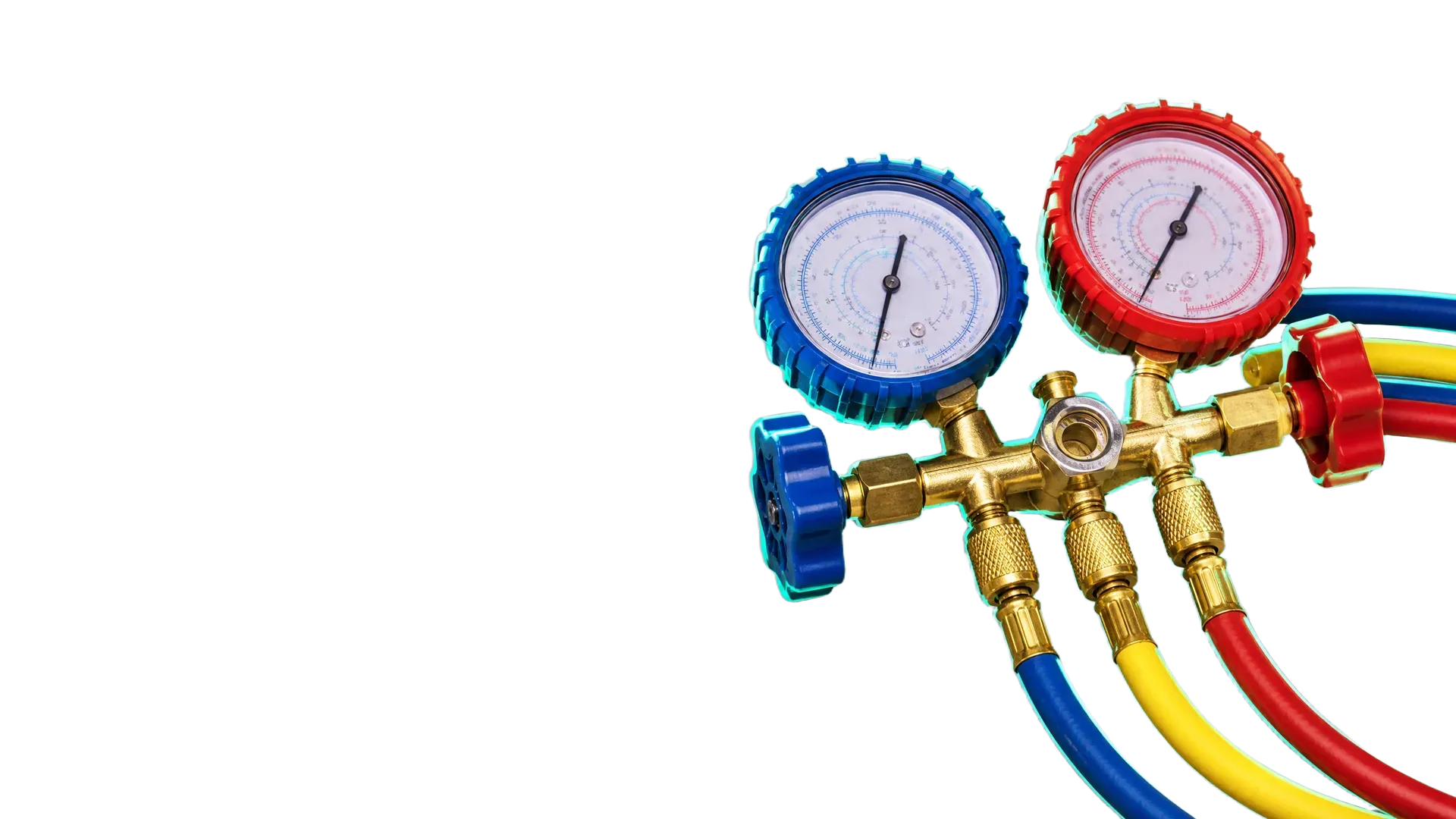
What a failing heat pump sounds and feels like
A heat pump that needs attention usually tells you before it quits outright. Warm air out of the vents when the system is set to cool, or cool air when it's set to heat, points to a reversing valve that's stuck or going bad. Short cycling, where the system kicks on and off in quick bursts instead of running a full cycle, often traces back to a dirty filter, a failing capacitor, or a thermostat sensor reading the room wrong. Ice building up on the outdoor coil and staying there is another one. Some frost during a heating cycle is normal, but the unit should clear it on its own through a defrost cycle. If the coil stays iced over, the defrost control or a fan motor is likely at fault. Listen for the outdoor unit too. A hard clank or a high-pitched squeal when it starts up usually means a worn motor bearing or a compressor under strain. None of these fix themselves, and running the system while they're happening tends to wear out other parts that were fine to begin with.

May is when the strain shows. Mississippi homes switch over to cooling that month, right after a long run of heat through the winter. A reversing valve that's been sticking will often just quit once the system has to hold a cooling cycle week after week instead of only kicking on now and then. A weak capacitor shows the same pattern. It can get through the cooler months fine and fail in the first stretch of real cooling demand.
November asks something different of the system. After six months of cooling, the heat pump has to reverse and start pulling heat from outside air instead of dumping it there. That's the moment a defrost control that's been failing quietly tends to show itself, with ice building up on the outdoor coil and not clearing. A unit that ran fine right through October can start short cycling within days of switching over to heat. Waiting it out usually just adds a burned-out fan motor to the list.
A heat pump that's struggling in Mississippi tends to get worse the longer it runs that way.
Tell us about the job
Takes about a minute. No obligation.
Fill out the form and a licensed contractor who works on heat pumps here will reach out.