This county gets hit often
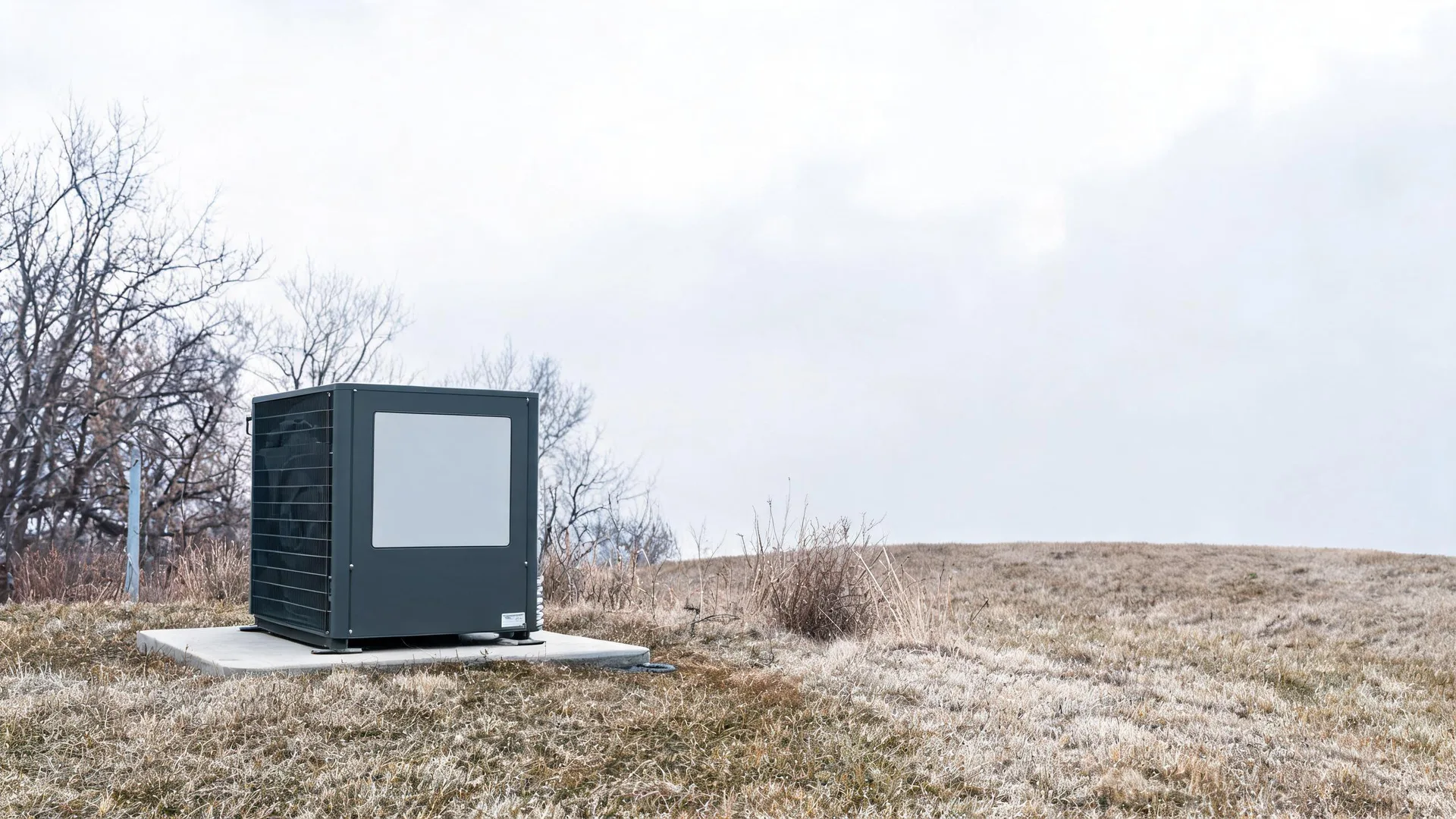
Lamar County saw 148 severe weather events between 2015 and 2024, including damaging wind, hail and tornadoes. A heat pump's outdoor unit sits through all of it, with its coil and fan exposed to whatever comes through.
Takes about a minute. No obligation.
Lamar County saw 148 severe weather events between 2015 and 2024, including damaging wind, hail and tornadoes. A heat pump's outdoor unit sits through all of it, with its coil and fan exposed to whatever comes through.
Nearly a third of Mississippi households went at least 24 hours without power in 2024. A heat pump needs power to run in either direction, so an outage that long means no heat until it's restored.

NOAA nClimDiv, 1991–2020 normals
November is when heat runs first after months of sitting idle.
A heat pump that's been off since March will show its weak points in the first cold week, not before.



If the outdoor unit came through a hailstorm or a bad wind event without an obvious problem, it's still worth a look before the weather turns cold. Hail can dent the fins across the coil enough to slow airflow without stopping it. Wind-blown debris can nick the fan blade or work something loose inside the cabinet. None of that always shows up as a system that won't run. It shows up as a system that runs worse, pulling more power to do less heating, and that's a harder thing to catch from inside the house. A contractor can check the coil and fan in a few minutes and tell you whether the storm left anything behind.
A heat pump that came with a newer house still has most of its working life ahead of it. If yours is acting up after a storm or going into its first cold week, a repair is worth calling in before you think about replacing anything.
Find a contractor
A heat pump that's struggling doesn't usually just stop. It runs longer to hit the same temperature, so the house takes longer to warm up and the air coming out of the vents feels cooler than it should. The outdoor unit might run almost constantly instead of cycling off the way it normally would. Ice building up on the outdoor coil beyond what clears off in a normal defrost cycle is another sign. Listen for a grinding or squealing from the outdoor fan, or a clicking that keeps repeating instead of the unit starting up. Short cycling, where it kicks on and off in quick bursts, usually points to a problem with the compressor or the controls behind it. None of these mean the whole system is done. Most of them are a single part wearing out while the rest of the unit is fine.
The reversing valve switches the system between heating and cooling, and a furnace or a straight air conditioner doesn't have one. When it sticks, the heat pump can get stuck in one mode or stop switching cleanly. Heating is usually where it shows up first, since the valve sees less use in that direction over the summer.
Dirt, grass clippings and ice all block airflow across the outdoor coil the same way, and the heat pump has to work harder to move heat through it in either direction. A defrost cycle that isn't clearing the coil fully, or a fan that's slowed down with a failing motor, lets ice build up faster than the system can shed it.
Before you call anyone, go outside and look at the unit itself. Clear away anything piled against the cabinet, leaves, a trash can, a grill, since the outdoor coil needs open air on all sides to work. Check the coil for ice. A thin frost in cold weather is normal and should clear on its own during the defrost cycle, but a solid sheet of ice that isn't melting off means something's wrong. Look at the fan on top. It should be sitting level and spinning freely, not rubbing against the shroud. Inside the house, check your thermostat batteries if it uses them, and check that the breaker for the outdoor unit hasn't tripped. If you have a filter you can see and reach, look at it. A filter clogged with dust blocks airflow across the indoor coil the same way debris blocks the outdoor one. None of this fixes a bad reversing valve or a failing compressor, but it rules out the simple things before someone has to come out and charge for a diagnosis.
Age is the first thing to weigh, but it isn't the only one. A compressor failure late in a unit's life is usually the point where replacement makes more sense than repair, since the compressor is the most expensive part in the system and the rest of the unit has likely put in the same years of work. A failed capacitor, a bad fan motor, or a stuck reversing valve are different. Those are parts that fail on their own schedule, sometimes early in a system's life, and swapping one doesn't say anything bad about the rest of the unit. The questions worth asking are how old the system is, whether it's needed repairs before, and whether the part that failed is one of the expensive core components or one of the smaller ones that wear out and get replaced on their own. A contractor diagnosing the problem can tell you which kind of failure you're looking at before any work starts.