





White plantation-style houses with wraparound porches lit at night, surrounded by Spanish moss-draped live oak trees.

Heat Pump Repair in Pontotoc, MS

Tell us about the job

Takes about a minute. No obligation.

RepairHeat PumpPontotoc County, MS
Step 1 of 2

What ZIP code is the job in?

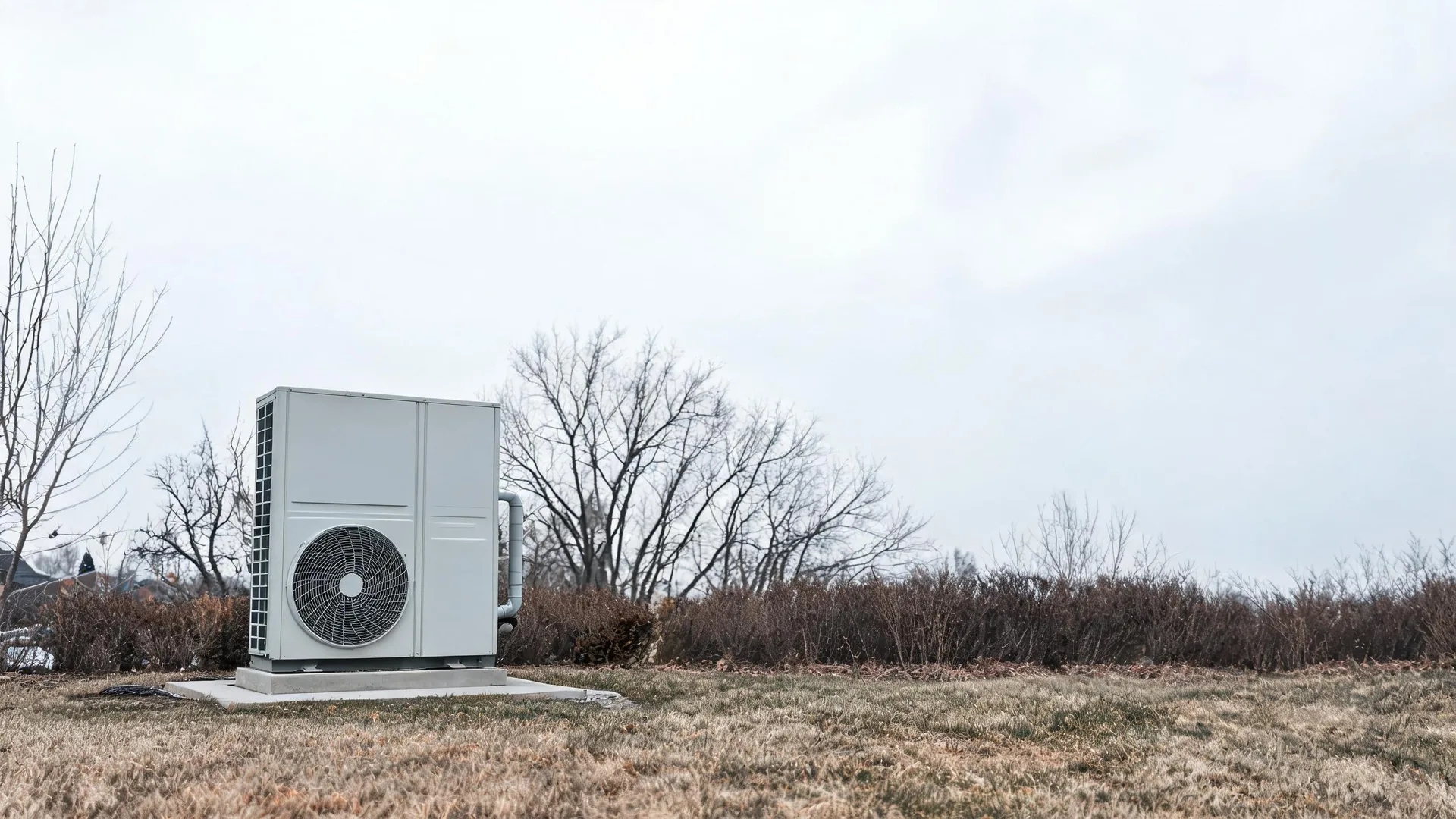
Pontotoc County saw 103 severe weather events between 2015 and 2024, and most of those were damaging wind or hail. Your heat pump's outdoor unit sits right in the path of both. Hail can dent the fins that let it release heat, and wind-blown debris gets pulled into the coil by the fan. A unit can keep running after that and still be working harder than it should. If a storm has come through since you last had it looked at, it's worth having someone check the coil and fins even if the system seems fine.

5 months
November through March, your system heats
5 months
May through September, it cools
34°F
the average winter night it heats against
89°F
the average summer afternoon it cools against
Isometric illustration of a cutaway single-story house showing interior ductwork and vents connected to an outdoor condenser unit beside the building, on a white background.
Your system heats November through March and cools May through September.

NOAA nClimDiv, 1991–2020 normals

Your heat pump switches over in November, after sitting idle since April.

A weak part that made it through fall cooling can still fail in that first cold week.

65 wind events, 26 hail events, one outdoor unit sitting outside through all of it

103 severe weather events from 2015 to 2024
30% of homes statewide lost power a day or more in 2024
65 damaging wind events from 2015 to 2024

A heat pump that's struggling still runs, and that's the problem. If the compressor is low on refrigerant, it keeps trying to move heat with less than it needs, and it draws on the electrical side harder to do it. Run it like that for weeks and you're not looking at a recharge anymore, you're looking at a compressor. Ice on the outdoor coil is the same story. A little frost during defrost cycles is normal, but if the coil stays iced over and the system keeps running, airflow drops, the coil can't do its job, and the compressor still tries to keep up. A short cycle, a strange noise, a reversing valve that hesitates, none of those fix themselves by letting the system push through. The part that's struggling now is the part that quits later, and it usually picks the coldest week to do it.

Get it checked after a storm

Storms hit hard here. If the outdoor unit took hail or debris, have it checked even if it still runs.

Find a contractor
A white mini-split heat pump outdoor unit mounted on a concrete pad beside a gray-sided house, surrounded by gravel and green shrubs.

What a heat pump sounds and feels like before it fails

Watch the outdoor unit when it's cold out. It should run, pause, and go through a defrost cycle where it looks like it's blowing steam. If it never defrosts, or it defrosts constantly without ever heating well in between, something's off with the reversing valve or the sensor that calls for defrost. Listen for the changeover too. You should hear a quiet click and a brief whoosh when the system switches between heating and cooling modes. A loud clunk, a hiss, or a valve that seems to hang between modes means it's wearing out. Inside, warm air that feels lukewarm instead of hot, or a system that runs constantly without the house warming up, points to the same strain building on the parts that work hardest through the cold months.

The reversing valve is the part most likely to stick

The reversing valve switches the system between heating and cooling, and it moves every cycle, all year round. A valve that hesitates or hangs between modes usually isn't broken yet. It's wearing toward it. Left alone, it can stick fully one day and leave the system stuck in one mode, or none.
Capacitors and contactors fail from age, not abuse

The capacitor gives the compressor and fan motor the jolt they need to start. The contactor is the switch that feeds them power. Both wear down just from cycling on and off over the years. When one goes, the outdoor unit hums but doesn't start, or doesn't start at all.

A few checks are safe before anyone comes out. Look at the thermostat first. Make sure it's set to heat and the set temperature is actually above room temperature, and swap the batteries if it uses them. Check the air filter. A filter clogged with dust chokes airflow and can make the system run constantly without warming the house. Walk outside and look at the unit itself. Clear away leaves, mulch or anything piled against it, since the outdoor coil needs open air on all sides to work. Check the breaker panel for a tripped switch before assuming the worst. None of this fixes a failing reversing valve or a weak capacitor, but it rules out the simple stuff first.

A diagnostic visit starts outside at the unit itself, with the panels off and the fan and coil in view. A tech will check refrigerant pressure and the temperature split between the air going in and the air coming out, since that tells them whether the system is actually moving heat the way it should. They'll test the capacitor and contactor under load rather than just looking at them, because a capacitor can look fine and still be weak. The reversing valve gets checked by watching it switch, not just listening for the click. Electrical readings at the compressor and fan motor show if something is drawing more current than it should, which usually means it's working harder than it's built for. None of this takes guessing. The readings either match what a healthy system looks like or they don't, and that's what points to the part that needs replacing.