


What a heat pump runs into here
Winter here is mild but it is not warm. The overnight low averages 34°F across December, January and February, and it drops to freezing or below on about 60 nights a year. That matters because a standard heat pump starts losing ground right around there. Below 40°F it puts out less heat than its rating. Below about 35°F it often needs backup heat to make up the difference. Every one of those 60 nights falls under both marks, and so does the average winter low itself.
That does not mean the heat pump is struggling most of the winter. Fewer than one night a year here reaches 0°F, the kind of cold where a standard heat pump has the hardest time. Almost all of its hard nights sit in the low 30s. A two-winter field test of cold-climate heat pumps in occupied homes found that even between 0°F and 35°F, backup heat covered only a small part of the load, and running on backup alone was rare above 0°F. A heat pump carrying the ENERGY STAR Cold Climate mark has to hold at least 70 percent of its capacity at 5°F, well colder than this county usually asks.
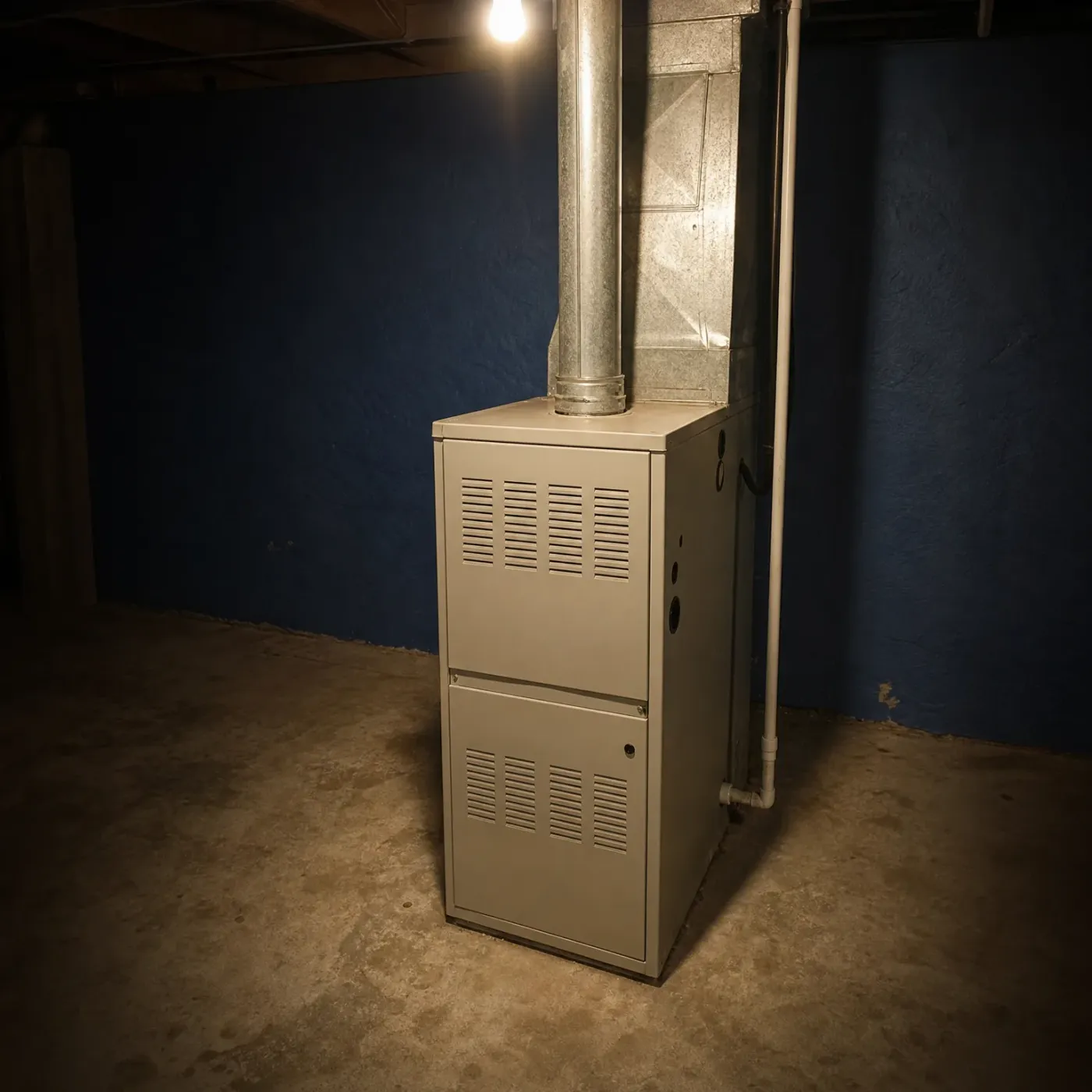
A furnace does not have this problem at all. It burns gas and makes full heat whether it is 34°F outside or well below that. For the coldest nights of the year, that is a plainer kind of reliable, even if those nights are rare here.