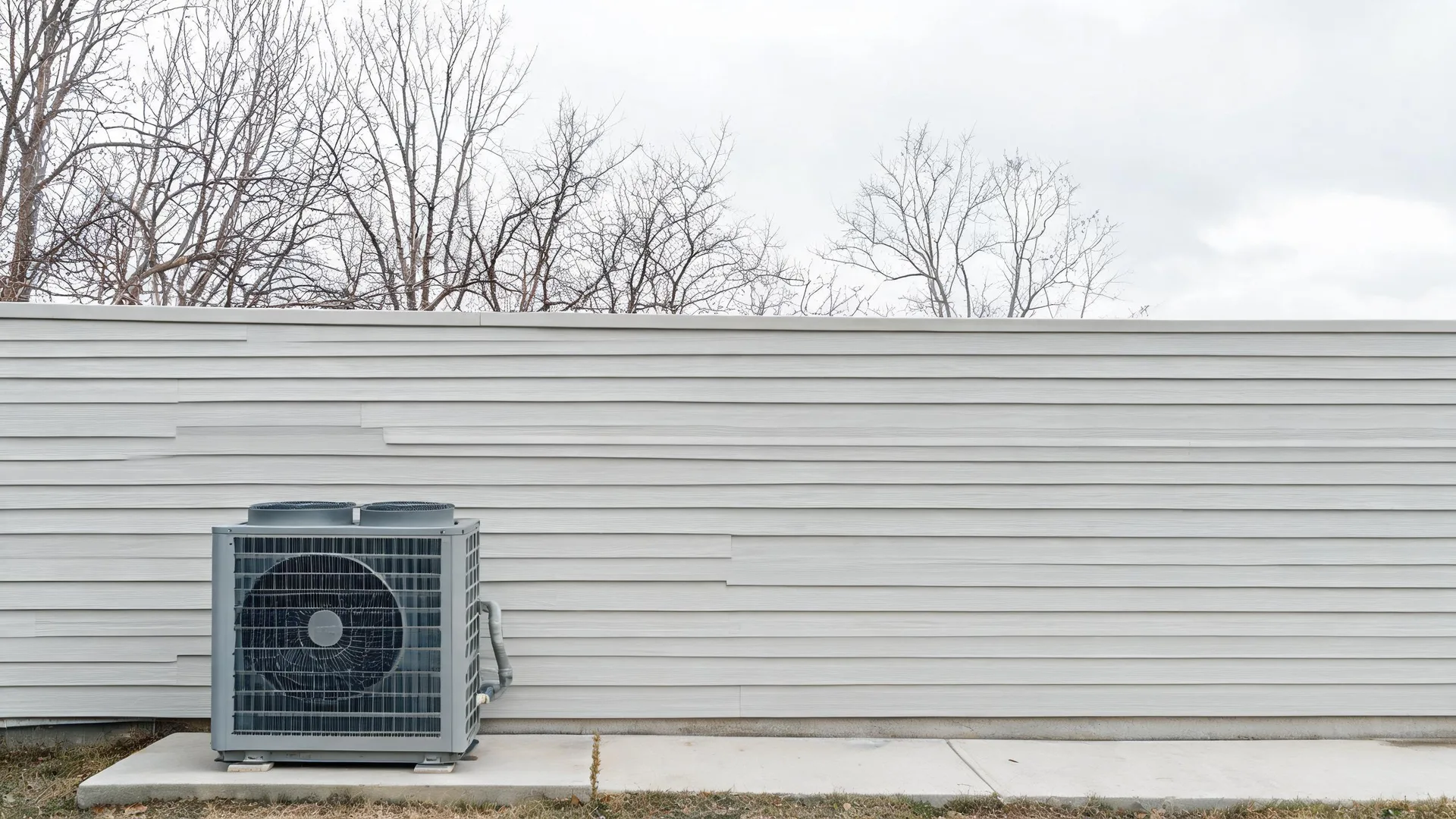
The refrigerant charge gets checked, not just the filter
Swapping a filter and hosing off the outdoor unit takes a few minutes and misses the things that actually shorten a heat pump's life. A thorough tune-up includes checking refrigerant charge against the manufacturer's target, measuring temperature split across the indoor coil, and inspecting the reversing valve so it still shifts cleanly between heating and cooling. Those checks catch a system that's slowly losing capacity before it fails on the coldest or hottest day of the year.
Ask what gets tested, not just touched
A quick visit wipes down the unit and calls it done. A real one tests the capacitor's actual output against its rating, checks amp draw on the compressor and fan motor, and runs the defrost cycle to confirm it kicks in and clears the outdoor coil properly. If the person servicing your system can't tell you what the numbers were, those checks probably didn't happen.
A heat pump that never gets serviced keeps running right up until the reversing valve sticks or the compressor seizes.
By then you're not looking at a repair, you're looking at a replacement.
Old or new, a heat pump here still needs one visit a year
Half the homes here were built by 1989Power costs 13.39 cents a kWh statewideClimate zone 3A
Pontotoc runs this machine both waysHeat from November through March, cooling from May through September. Have it checked in April and October.
Pontotoc County has logged 103 severe weather events between 2015 and 2024, and damaging wind caused most of them. A heat pump's outdoor unit sits through all of it, taking wind-blown debris against the coil and hail against the fan and housing. Bent fins and a dented cabinet don't always stop a unit from running, but they can keep it from running the way it's supposed to. Ice storms have hit the county too, and ice on a struggling unit is a different problem than ice on a healthy one.
The filter, the coils and the drain do the quiet work
The filter is the first thing the air meets, and a dirty one chokes off airflow before it ever reaches the coil. The indoor coil needs steady airflow to pull heat out of the air or put it back in, depending on the season. Starve it and it can ice over in cooling mode or struggle to hold its heat output in winter. The outdoor coil has the same problem from the other side. Dirt, pollen and grass clippings packed into those fins block the heat exchange the whole system depends on, and a compressor working against a dirty coil runs hotter and draws more current than it should. The condensate drain gets less attention but causes just as much trouble. It carries moisture off the indoor coil, and when it clogs with algae or sediment, that water backs up into the cabinet instead of draining outside where it belongs. A heat pump that breathes freely through a clean filter, clean coils, and a clear drain is doing most of what it takes to hold up over the long run.
A noise that wasn't there before
A heat pump should start, run and shut off without announcing itself. A clicking relay, a hum from the outdoor fan, or a rattle when the compressor kicks on usually means a part is wearing loose or a motor bearing is going. None of those stop the system from running that same day. They just tell you something is on its way out before it takes the rest of the unit with it.
Short cycles or long ones
A heat pump that shuts off a few minutes after starting is usually tripping a safety switch, often from a dirty coil or a refrigerant charge that's off. One that runs long stretches without ever satisfying the thermostat is losing capacity somewhere, maybe a weak compressor, maybe a coil that can't shed or pull heat like it should. Either pattern is worth a look before the system either overworks itself or stops meeting the set temperature at all.
A tune-up turns up things you'd never catch from the thermostat. Static pressure tells a tech whether the ductwork is choking the system even when every room feels fine. Superheat and subcooling readings show whether the refrigerant charge is right, not just whether the unit is cold. A contactor can be pitted and about to fail while still closing the circuit every time you ask it to. None of that shows up as a symptom you'd notice. It shows up as a number that's drifted off where it should be, and catching it there is the whole point of the visit.
A proper tune-up on a heat pump covers both sides of the system, not just the one you can see from the yard. On the outdoor unit, a tech checks the reversing valve, since that's the part that lets the system heat in winter and cool in summer, and a valve that's starting to stick shows up as a system that won't switch modes cleanly. Refrigerant charge gets measured against what the manufacturer specifies, not just topped off by feel. On the indoor side, the blower motor and its wheel get checked for the kind of dust buildup that throws off airflow without ever jamming anything. Electrical connections get tightened, since a loose connection generates heat on its own and that heat degrades the connection further over time. The whole point is to find the part that's drifted off spec while it's still doing its job, before it stops.