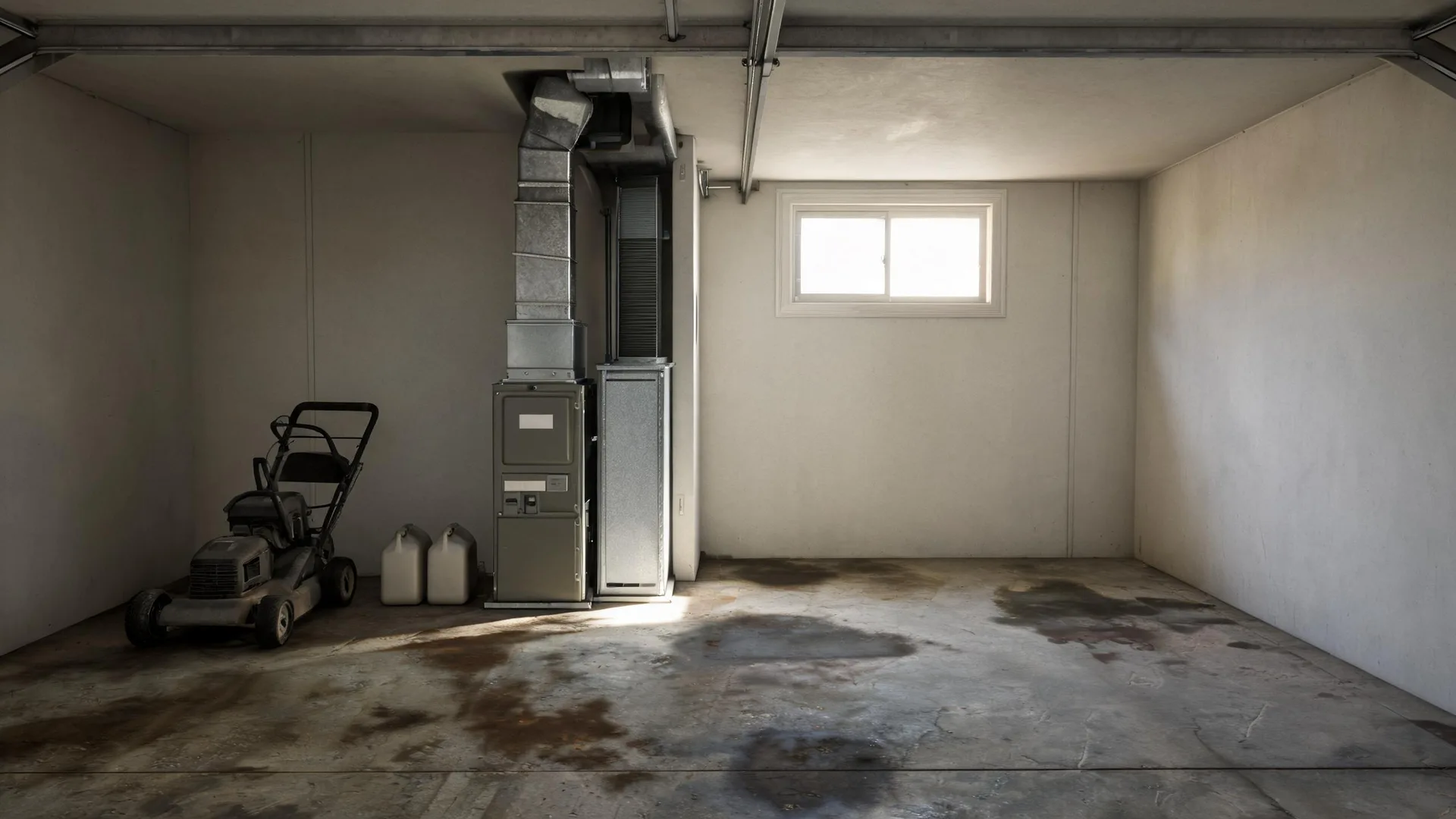
A standard furnace is the right call here
Nothing about heating in Pontotoc calls for oversizing or a high-end unit. A properly sized standard-efficiency furnace will heat a home here through the winter without issue.
Takes about a minute. No obligation.
Nothing about heating in Pontotoc calls for oversizing or a high-end unit. A properly sized standard-efficiency furnace will heat a home here through the winter without issue.
Electricity in Mississippi ran $39.26 per million Btu in 2024. If the furnace is gas, that number does not apply directly, but it is worth asking an installer to walk through the fuel cost either way before deciding on a model.

NOAA nClimDiv, 1991–2020 normals
Half the homes in Pontotoc County heat with electricity.
If your home already runs on electric heat, an electric furnace keeps the install simple.




Heat starts here in November. If your furnace is on its way out, October is when to get it replaced, not after it quits on the first cold night. Waiting until it fails means picking a furnace fast, from whatever is in stock, on whatever day a crew is free. Doing it in October means picking the right size for your home and the right unit for your budget, with time to compare more than one installer. Five months of winter is not much to ask of a furnace, but it is enough that you want the right one in before the first cold week.
Furnaces sold here now have to hit 80 percent AFUE, and that minimum jumps to 95 percent for anything built after December 2028. A furnace going in today has to clear the bar that's in place now. Getting it installed before that standard tightens is one less thing to work around.
Find a contractorFive months of running, and the coldest nights only ask it to get from a 34 degree low back up to room temperature. That's not hard work for a furnace. With the load this light, reliability and the right fit matter more than squeezing out another point of efficiency. Put the time into picking a good installer instead.
A furnace has to match the house. The square footage, the layout, how the ductwork runs all factor in. An installer sizes it with a load calculation, not a guess off the old unit's nameplate. Going bigger doesn't mean better. An oversized furnace cycles on and off instead of running a steady stretch, which wears on it faster and leaves rooms uneven anyway.
If the ductwork fits the new furnace, the install is straightforward. Set the unit, connect the vent, connect the gas or the wiring, done. If the ducts are undersized, leaky, or routed for a different kind of system, that work has to happen too before the furnace can do its job right. An installer walking through the house beforehand is how that gets caught.
The AFUE rating on the label says how much of the fuel the furnace burns turns into heat in the house, and how much goes straight out the flue. A higher rating means less waste, but it also means more hardware. A high-efficiency furnace usually has a second heat exchanger, a different venting setup, and a condensate drain to carry off the moisture that comes with pulling more heat out of the exhaust. That's more that can need service down the road, not just a better number on the sticker. The rating tells you how the furnace spends fuel. It doesn't tell you how long it lasts or how well it was installed, and both of those matter just as much.
Install day starts with the old furnace coming out. The installer disconnects the gas or power first, then pulls the unit and checks what was underneath it. The plenum, the flue, the condensate line if there is one. Setting the new furnace is the fast part. Connecting it to the ducts already there, running new venting if the old kind won't work with this unit, wiring the thermostat, that's where the time goes. Once it's connected, the installer fires it up and checks the gas pressure or the amp draw. Then it runs a full cycle so the installer can see the heat rise across the furnace land where the manufacturer says it should. A combustion analyzer check on a gas furnace confirms it's burning clean before anyone calls the job done.