Running the way it should
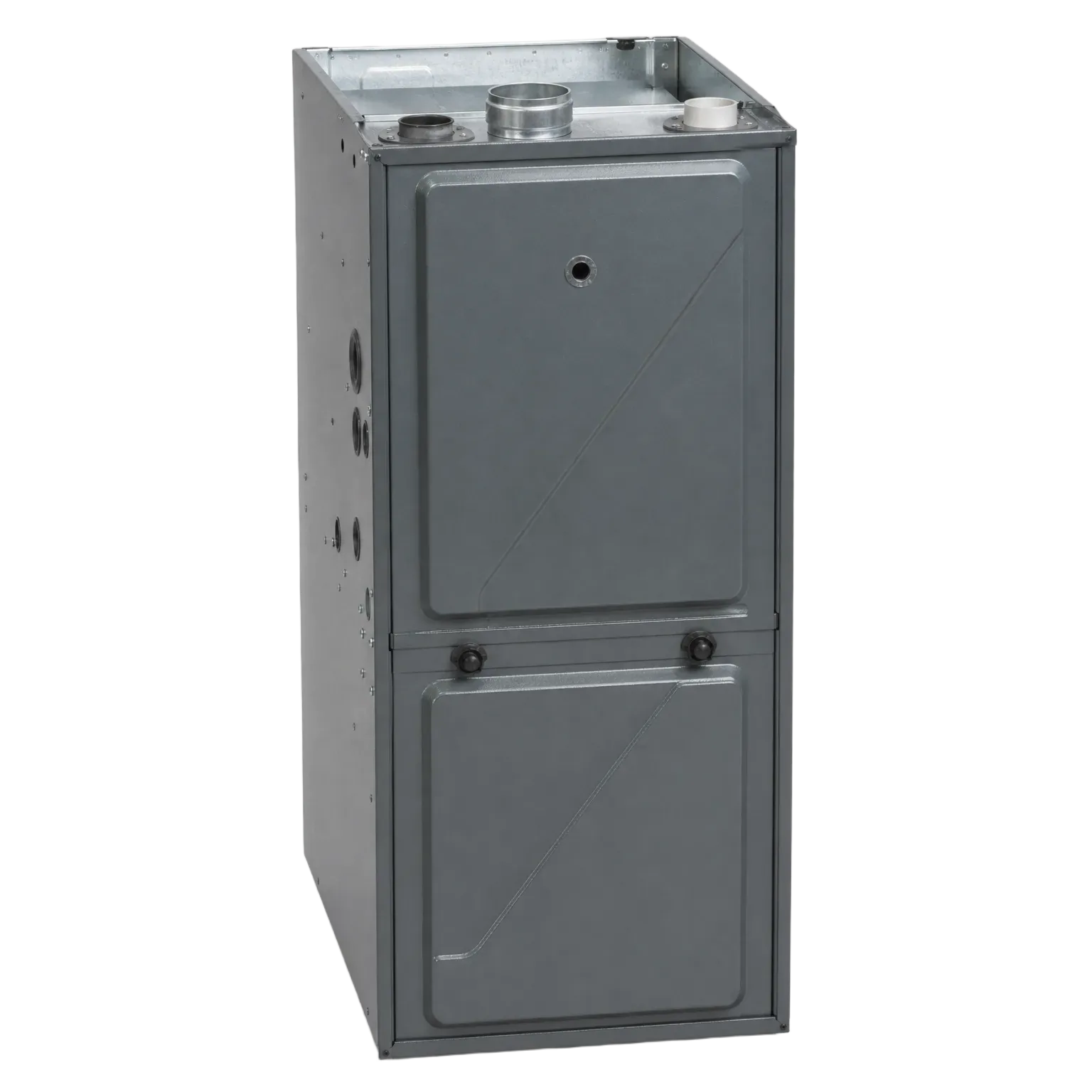
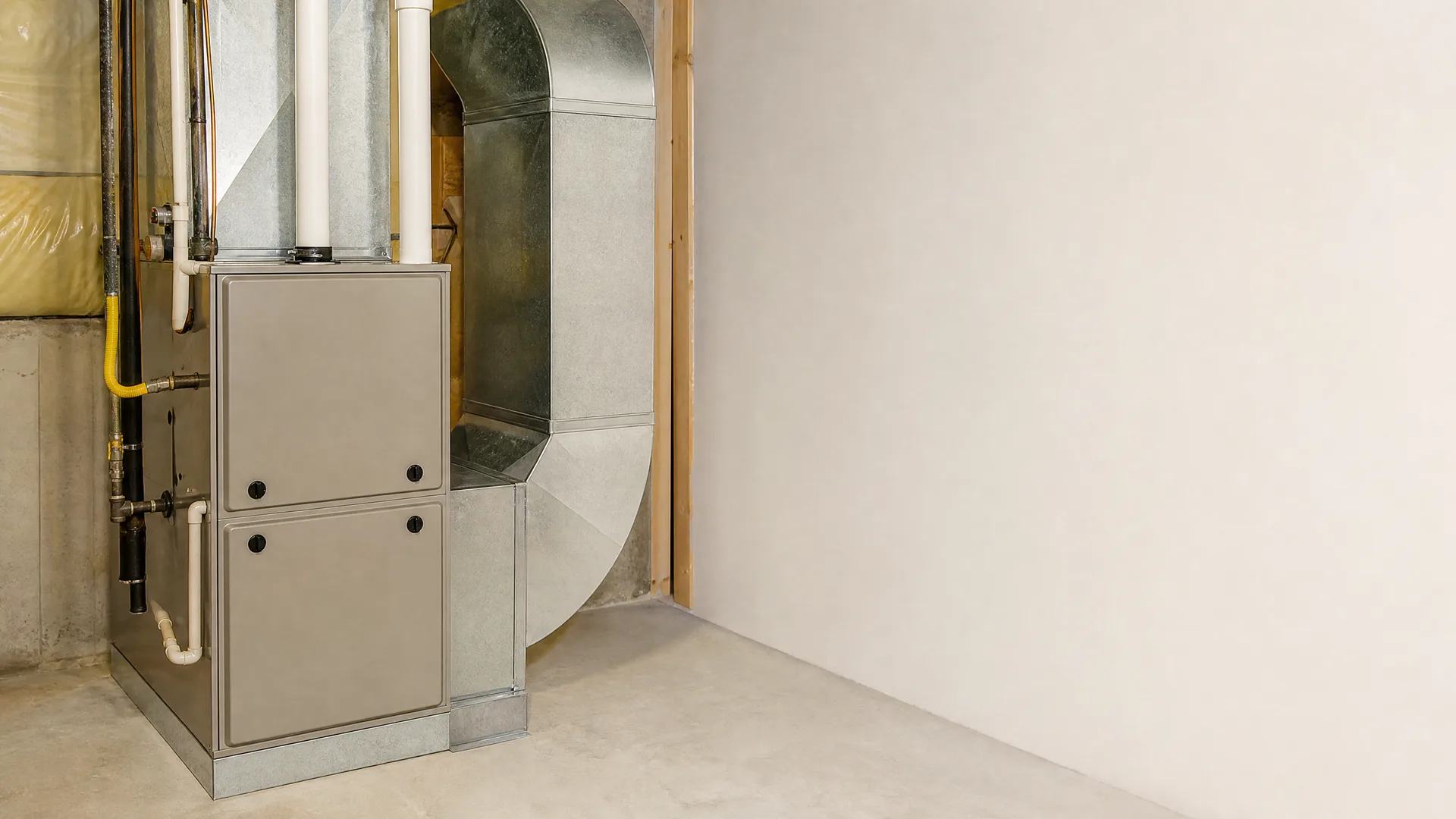
This is a furnace doing its job. It lights, runs its cycle, and shuts off without drama. The condensate line drains clear, the gas line is sound, and the cabinet is free of rust or soot. Nothing here needs your attention.
Get in touch with a local installer about a new furnace.
A furnace that's struggling usually tells you before it quits outright. If yours is cycling on and off more than it used to, running longer to reach the same temperature, or the pilot and igniter are giving you trouble more than once a season, those are signs of a system wearing out rather than a one-time problem. Repair makes sense when the fix is small and the furnace is otherwise sound. Replacement starts making more sense once the breakdowns repeat, since most homes in Mississippi heat with electricity and a furnace losing efficiency shows up as a bigger bill each winter rather than a dramatic failure. A unit near the end of its working life can usually be kept going a while longer with parts and patched components, but each repair is a bet that the next part holds too. Knowing which side of that line your furnace is on is the first real step, and getting a straight read on its condition from someone who can look at it directly is what settles the question.





Most houses in Mississippi heat with electricity, and an aging furnace that's working harder than it should shows up straight on that bill. A unit that used to run in short bursts and now runs long stretches to hold the same temperature is pulling more power to do the same job. That's money you're paying for wear, not warmth.
There's also the chance it fails on the one night you need it most. A furnace that's already cycling oddly or tripping its limit switch doesn't tend to pick a convenient time to quit. If you'd rather not gamble on that, the next step is simple: get matched with a contractor who can look at your specific furnace and tell you straight whether it's worth repairing again or time to replace it. Send the details once and that part of the job is off your plate.


This is a furnace doing its job. It lights, runs its cycle, and shuts off without drama. The condensate line drains clear, the gas line is sound, and the cabinet is free of rust or soot. Nothing here needs your attention.

This furnace still runs, but the signs are there. The cabinet shows wear, the ductwork is older galvanized metal, and mid-efficiency units like this one work harder to hold a temperature than a newer furnace would. If yours looks like this, it's worth having someone look at what's left in it.


Most furnaces are built to last somewhere around 15 to 20 years. Past that point, the parts inside are working harder to do what they used to do without strain.
A furnace near the end of its life doesn't fail all at once. It costs you more each month in electricity until the day it finally stops.
38°F is a typical night here in December and January, not a cold snap. That means your furnace is set to run most nights through the winter, not just on the rare cold stretch. A unit nearing the end of its life has to work through that whole stretch, not just a night or two.
NOAA nClimDiv 1991-2020 county normals weighted by homes
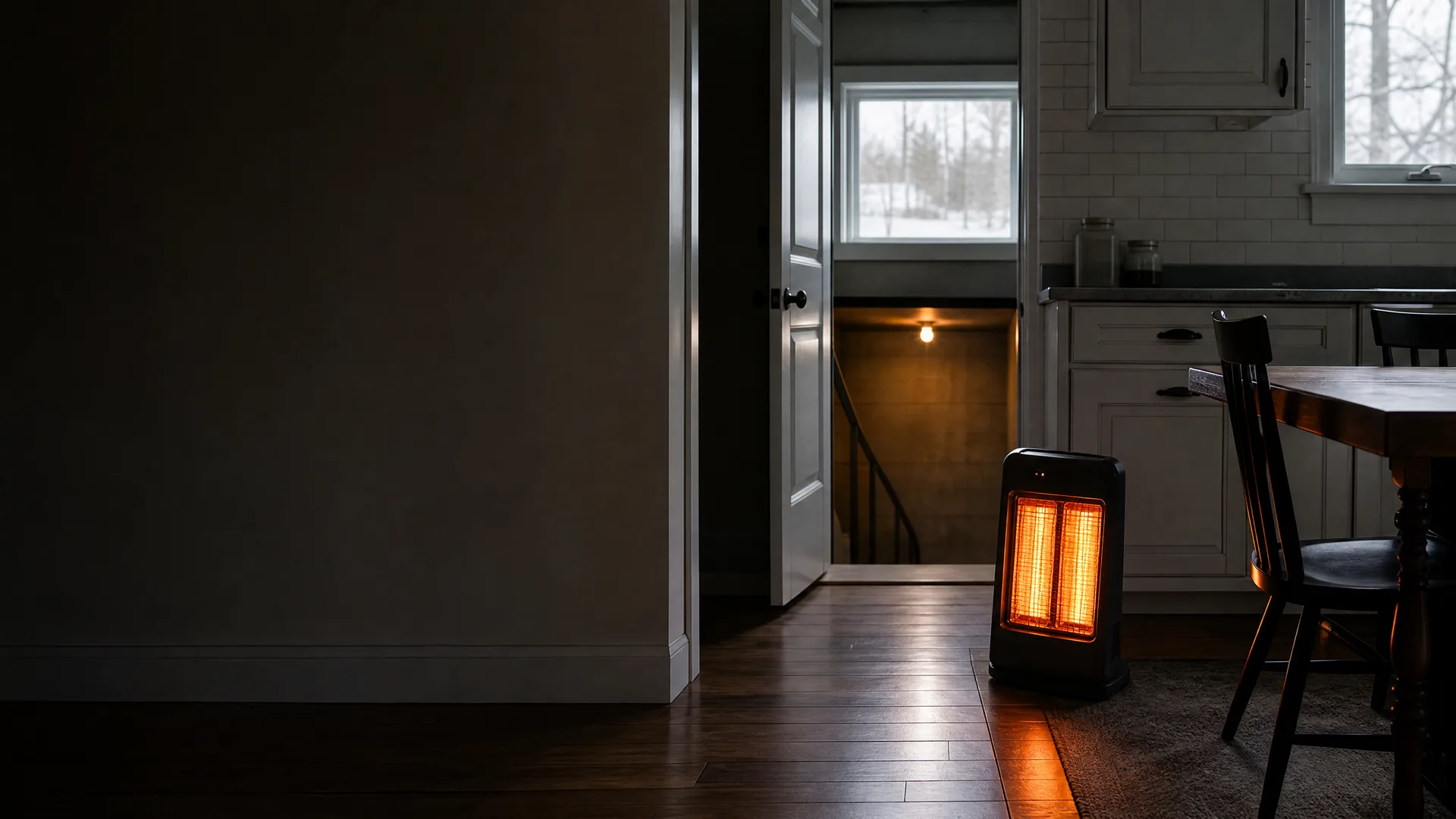
It's early, still gray out, and the kitchen is the only warm room in the house. The space heater is pulled up close to the table, its coil glowing orange, because the furnace isn't keeping up anymore. The basement door stands open behind it, the way it does most mornings now, so you can hear if the burner catches or if it just clicks and goes quiet again. You're in a coat at your own table. Outside it's maybe 38 degrees, nothing unusual for a January morning here, but the house doesn't feel like it used to. You've started planning around what the furnace can't do instead of just living in the house.
Send the form and the search for an installer is over.
You're not committing to anything by asking.
A furnace that still runs can usually be kept going a while longer with the right repair. If it's past the 15 to 20 year mark, parts get harder to find and the unit may need another call within the year. You're betting the next repair holds, and that the one after it isn't the one that doesn't.
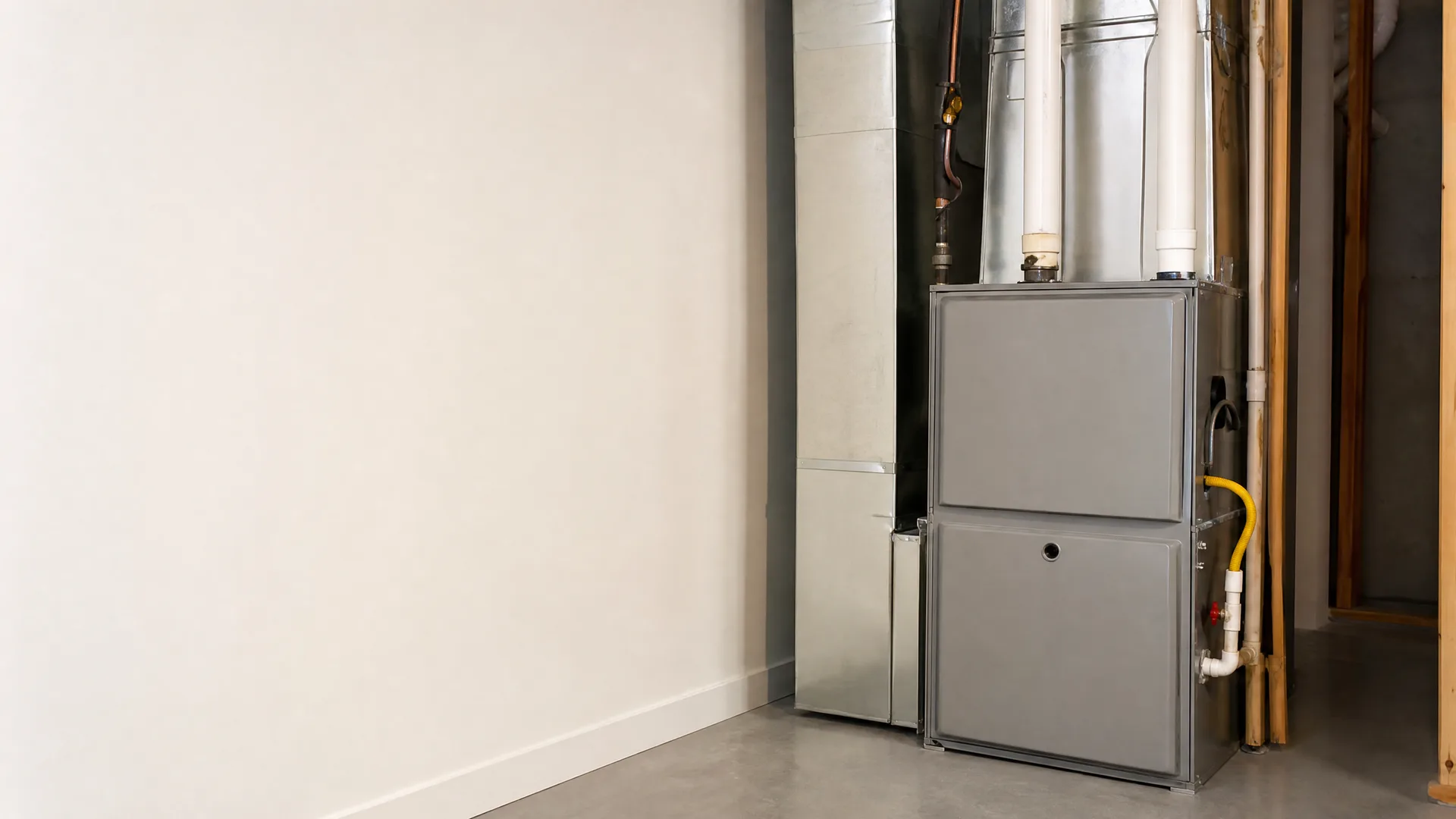
A new furnace means you're not guessing anymore. No more wondering if tonight's the night it won't light, no more space heater pulled up to the kitchen table. It costs more upfront than another repair, but it's sized and installed to run the way your house actually needs it to, starting with the next cold night.
You've noticed something's off with the furnace but it's still running, so you're trying to picture what actually happens next. It helps to know the order things go wrong in, not just that old furnaces eventually die. Knowing what's ahead tells you whether you're looking at a repair call or something bigger coming down the line.
The heat exchanger is usually what ends a furnace, and it goes slowly. Years of heating and cooling cycles make the metal brittle, and eventually it cracks. Before that happens, you'll likely see smaller failures first: an igniter that won't light the burner reliably, a flame sensor coated enough that it reads a false signal, a blower motor that strains and runs hot. Each of those can be repaired on its own. But they're signs the unit has put in a lot of hours, and a cracked heat exchanger isn't something to repair. It means the furnace is replaced, because it's the part that keeps combustion gases out of your air.


A furnace at 15 to 20 years old isn't automatically done, but one that's running longer each cycle, tripping its limit switch, or calling for a second repair this winter is past the point where fixing it makes sense. The parts giving out are the ones that carry the house through a 38°F night, and in Mississippi that strain shows up on the electric bill before the unit ever quits outright. None of that means every struggling furnace needs replacing. One still under warranty, or one a contractor serviced recently, may only need a repair, and a fair look at the unit will tell you which situation you're in. That's the judgment a licensed contractor is there to make, not something to guess at from the kitchen table. What you don't have to do is spend your evenings calling around to find someone who'll give you a straight answer. Send the form and that search becomes someone else's job instead of yours. You'll have already done the part that mattered: noticing the signs instead of waiting for a cold morning with no heat at all. Whether the answer turns out to be a repair or a new furnace, you'll know it came from someone who actually looked at your unit, not from a guess about how old is too old. That's the whole point of asking before the furnace decides it for you.





Send the form and stop researching installers for the new furnace.
It costs nothing to send, and you don't have to hire anyone.