





A single-story brick house with a dark shingled roof set behind a lawn, framed by pine trees and a large spreading oak, photographed from a low angle with blurred grass in the foreground.

Heat Pump Installation in Pontotoc, MS

Tell us about the job

Takes about a minute. No obligation.

New system or replacementHeat PumpPontotoc County, MS
Step 1 of 2

What ZIP code is the job in?

Electricity in Mississippi ran 13.39 cents per kilowatt-hour in 2024, cheaper than the national average. That changes the math on a heat pump. The highest-efficiency model on the market will take longer to earn back its extra cost here than it would somewhere with pricier power. That doesn't make efficiency worthless, it just means it shouldn't be the only thing you're deciding on. What matters more is picking a system sized right for your house and installed to hold up when the power grid is under stress, since that's the bigger risk in Pontotoc.

5 months
November through March, your system heats
5 months
May through September, it cools
34°F
the average winter night it heats against
89°F
the average summer afternoon it cools against
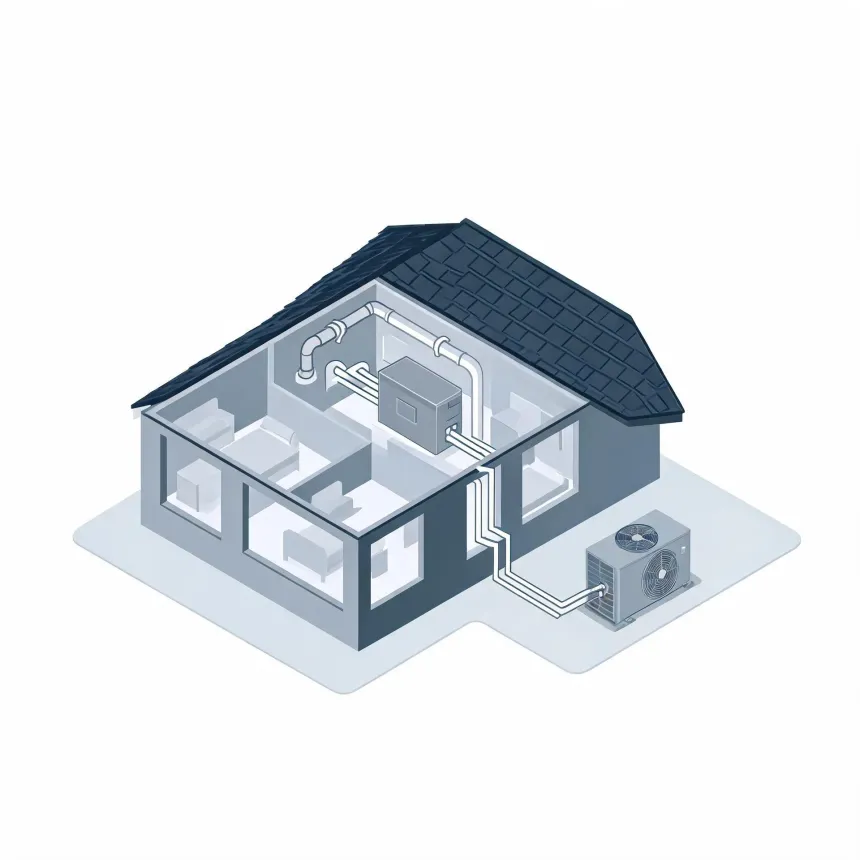
Isometric cutaway illustration of a gray house showing interior rooms, a central air handler with ducts in the attic, and refrigerant lines running to an outdoor condenser unit beside the building.
Your system heats November through March and cools May through September.

NOAA nClimDiv, 1991–2020 normals

Pontotoc County homes split about evenly between built before 1989 and after.

No age cluster to size around here, so a standard heat pump sized to your house is the right call.

May and November both come fast here, so line up the install before either one does

Cooling runs May through September
Heat runs November through March
Power costs 13.39 cents a kWh statewide

A contractor sizing your system should ask about your house, not reach for the most efficient model on the shelf. Put the money into the size and the install instead. A unit sized right for your square footage will run steadily and hold up when it has to work hardest. A good install matters as much as the equipment, since refrigerant charge and airflow set up wrong will cost you more over the years than a lower efficiency rating ever would.

Most of Pontotoc County already heats with electricity

Just over half of homes here run on electric heat, with gas a distant second. A heat pump fits right into that setup instead of asking for a fuel line a lot of houses don't have. If your current system is electric, swapping in a heat pump is a straightforward match for the house you already have.

Find a contractor
A man in a cap and brown jacket, seen from behind, climbs porch steps toward a blue front door while carrying a canvas tool bag, with a potted shrub in a blue planter beside him.
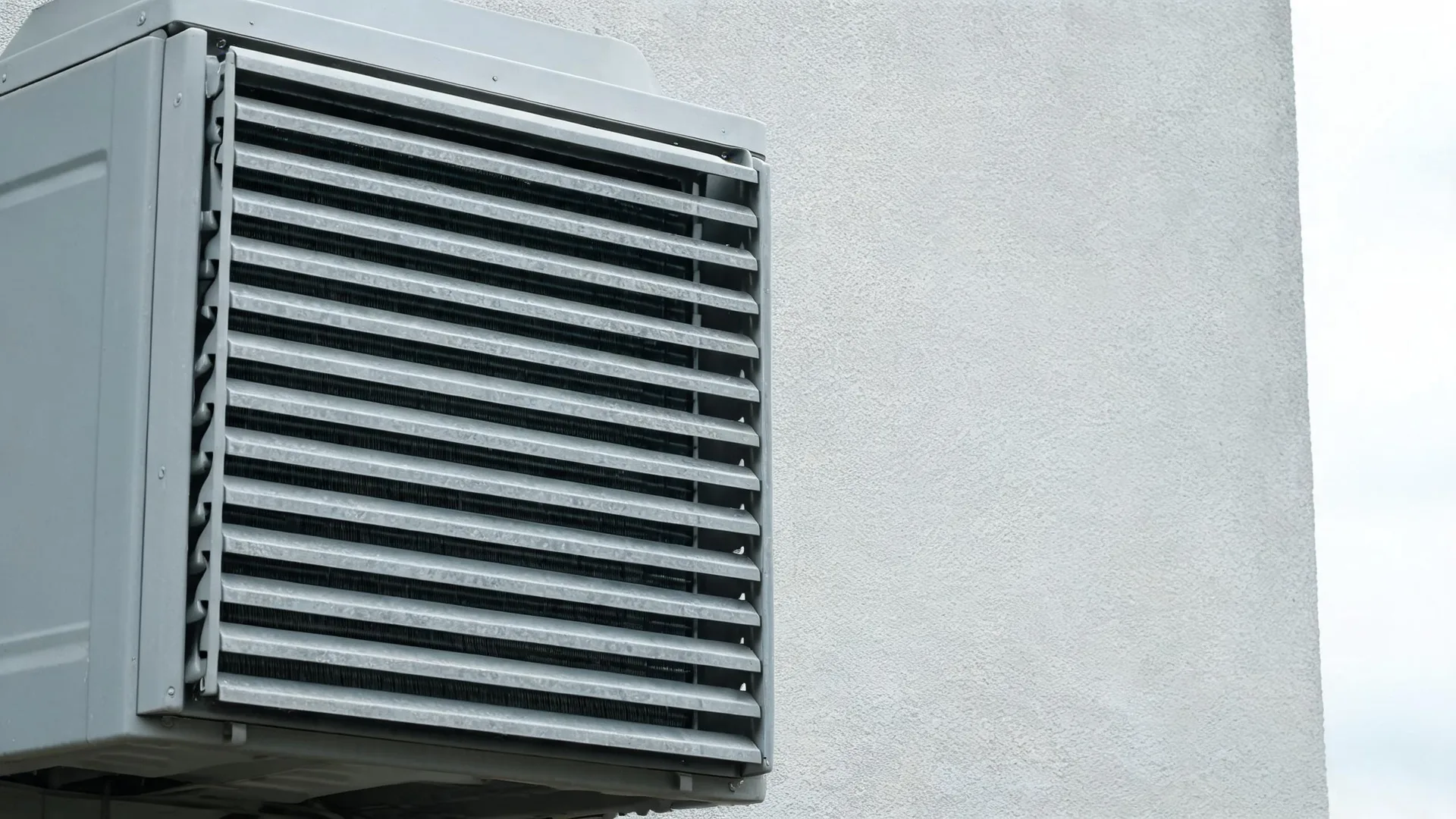
A dark gray heat pump unit mounted on a concrete pad next to a house with gray siding and a stone veneer wall.

This system doesn't get an off season

A heat pump runs in both directions, so it doesn't get the break a furnace gets once the weather turns warm. It's cooling the house all summer and heating it the rest of the year, which means the compressor racks up a lot more hours than it would in a straight AC system. That's not a flaw, but it does change what wears first. Watch how the unit handles spring and fall, when it's cycling on and off instead of running long steady stretches. Short cycling is harder on the compressor and the electrical contacts than a long run is. Ask how the system defrosts the outdoor coil in cold weather too, since that cycle runs the compressor in reverse and adds strain every time it kicks in. A system working this many hours a year needs the filter checked on a real schedule and the coils kept clean, or it ends up working harder than it should on an ordinary day.

The ductwork decides more than the unit does

A heat pump only moves air as well as the ducts let it. If the existing ducts are undersized, leaky, or routed wrong for a heat pump's airflow, a contractor has to fix that before the new system can perform, and that work often costs more than the equipment itself. A house with sound ducts already in place is a cheaper install almost every time.
Line sets and panel work add up fast

Running refrigerant line between the outdoor unit and the indoor coil costs more the farther apart they sit. If the old setup was a gas furnace paired with a separate air conditioner, the electrical panel may need upgrading to carry a heat pump's load too. None of that shows up in the price tag on the unit. It shows up in the labor, and it is worth asking about before comparing quotes side by side.

The rating on the label tells you how much heat the system moves for the electricity it uses, nothing more. It's measured under set lab conditions, not whatever your house throws at it on the coldest night of the year. Systems with the same rating can still perform differently once they're sized and installed, because the number doesn't account for duct losses, refrigerant charge, or how well the airflow matches the space. A high rating on a system that's oversized or poorly installed will still run worse than a modest rating on one set up right. Think of the label as a starting point for comparing equipment, not a promise about what your power bill will look like.

Installation day starts before anyone touches the old equipment. The outdoor unit goes on a level pad, set back from fences or shrubs so air can move around it freely. Indoors, the coil gets matched to the air handler, and the line set gets connected, pressure tested, then pulled into a vacuum to clear out moisture and air before any refrigerant goes in. That vacuum step is easy to skip and hard to catch later, since a system can run for a while with moisture in the lines before it causes a real problem. Once it's charged, a contractor checks the charge against the manufacturer's numbers instead of just eyeballing the pressure gauge. Airflow gets set after that, and the thermostat gets checked to make sure it talks to the system the way it should, backup heat included if the house has it. A system can be running the same day it goes in. The testing that follows is what tells you whether it was done right.