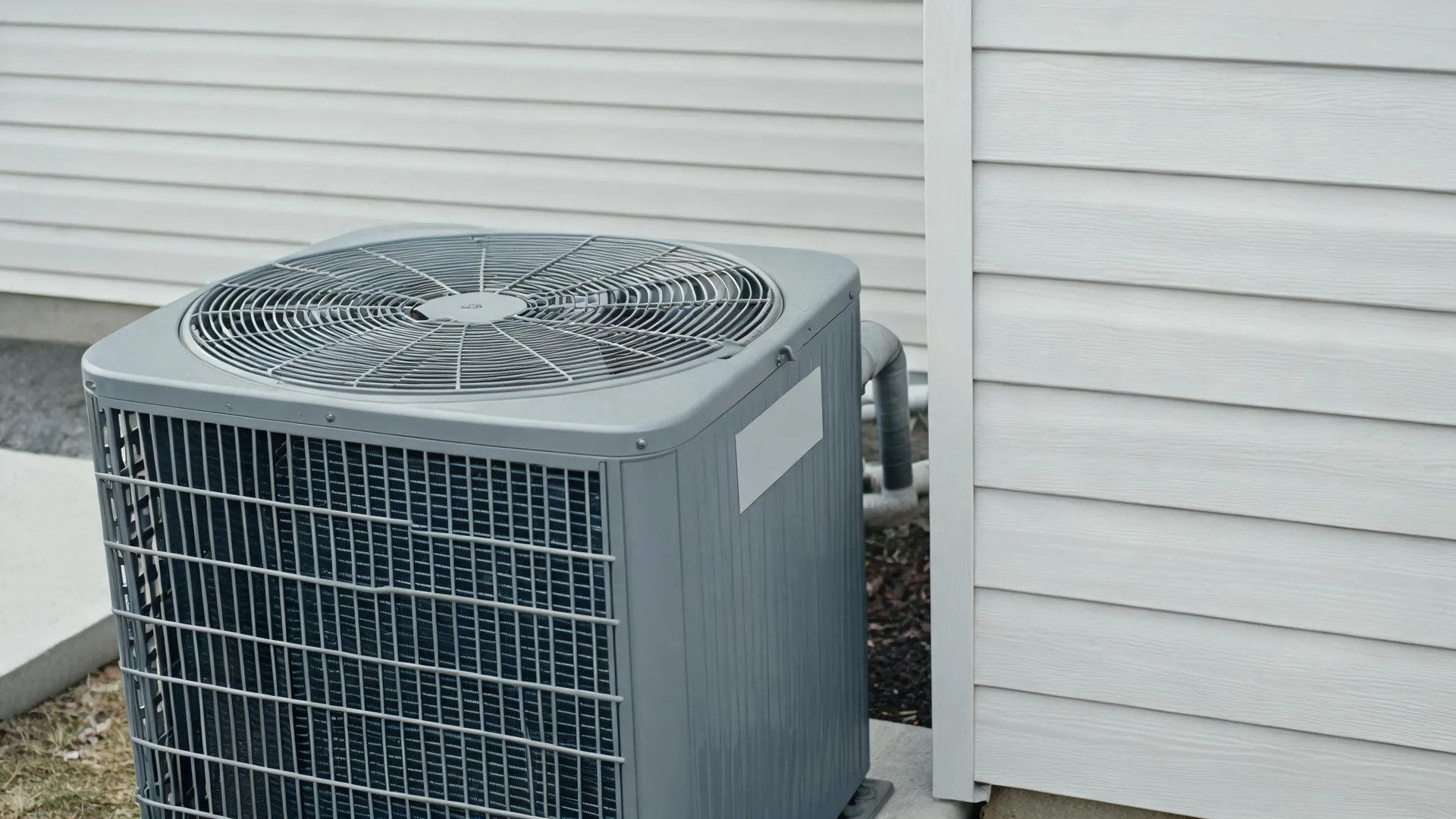
Madison County sees real storm damage
Madison County logged 226 severe weather events between 2015 and 2024, most of them damaging wind. Hail and tornadoes hit too. A heat pump's outdoor unit sits right in the path of all of it.
Takes about a minute. No obligation.
Madison County logged 226 severe weather events between 2015 and 2024, most of them damaging wind. Hail and tornadoes hit too. A heat pump's outdoor unit sits right in the path of all of it.
Hail dents the fins on the outdoor coil and bends them shut. Wind-blown debris can nick the fan blades or jam the cabinet. The heat pump may still turn on after a storm and still be running worse than before.
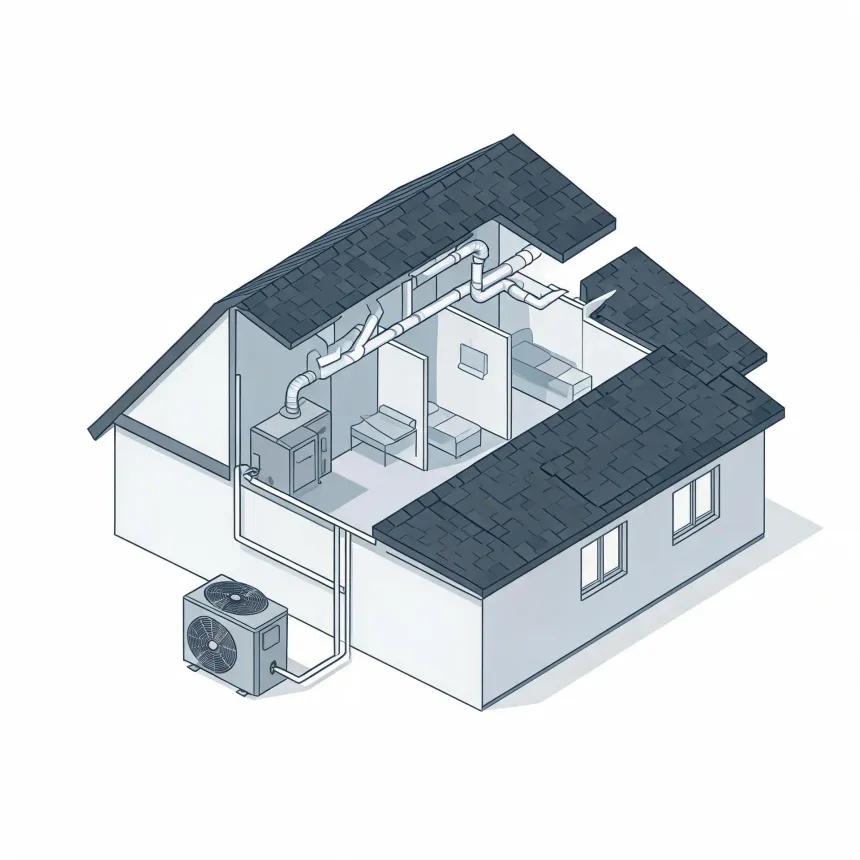
NOAA nClimDiv, 1991–2020 normals
A heat pump nearing the end of its life can still take a repair instead of a full swap.
What decides it is whether the next fix is a part wearing out alone or a sign the compressor itself is going.



November is when heat pumps here switch over to heat, and the first cold snap is when a weak one shows itself. A unit that carried storm damage all summer, a bent fin, a nicked blade, has been running hurt without anyone noticing. Cooling in Madison County doesn't ask as much of the system as that first real push of heat in November does. If the heat pump has been struggling quietly since a storm, this is when it stops hiding it.
If the heat pump has been outside through hail or wind this year, a check now will catch the dent or nick that's making it work harder than it should.
Find a contractorA bent fin or a weak reversing valve doesn't stop the heat pump from running. It just makes the system work harder to do the same job, and that extra work falls on the compressor. Low refrigerant lets it run hotter than it should. A restricted coil makes it push against pressure it wasn't built for. None of that shows up as a sudden breakdown. It shows up as longer run times, weaker output, and a system that takes longer each week to catch up to the thermostat, until the compressor itself is what fails instead of the fin or valve that caused it.
A heat pump stuck in defrost or losing its charge will still run the fan, so air comes out but it is lukewarm instead of hot. In a working system that switchover happens fast. If it is blowing room-temperature air for stretches at a time, something in the reversing valve or refrigerant circuit needs a look.
A heat pump that shuts off a few minutes after starting, then kicks back on, is struggling to satisfy the thermostat, often because airflow across the indoor or outdoor coil is restricted. One that never stops and just runs constantly without catching up to the set temperature is losing capacity somewhere else in the system. Either pattern is worth having checked before it gets worse.
Storm damage aside, heat pumps fail for the same reasons year after year. The reversing valve is the part unique to a heat pump, and when it sticks, the system can't switch between heat and cooling, so you get warm air when you wanted cool or the other way around. Refrigerant charge is another common one. A heat pump runs low either from a slow leak or from damage to the lines or coil, and once the charge is off, both the heating and cooling sides suffer. The defrost control board is worth checking too, since its job is to melt frost off the outdoor coil in cold weather, and when it fails the coil ices over and the unit loses heat output. Capacitors and contactors wear out from normal cycling over time, not from any one event, and when they go the compressor or fan motor can't start properly. None of these announce themselves clearly. They just show up as weaker heat, weaker cooling, or a system that won't settle into a steady cycle.
A diagnostic visit on a heat pump starts outside, at the unit itself, before any panel comes off. A tech will look at the outdoor coil and fan for the kind of damage that doesn't stop the system from running but keeps it from running right, a bent fin, a nicked blade, a cabinet that got knocked out of square. Gauges go on next to check refrigerant charge, since both the heating and cooling sides suffer once that's off. Inside, the indoor coil and airflow get checked too, because a restriction there can cause the same short cycling that bad refrigerant does. The reversing valve gets tested on the spot, since that's the one part that's unique to a heat pump and the only way to know if it's switching the way it should is to run it both directions. By the end, the point isn't just to name the failing part. It's to know whether what's wrong is new, or whether it's been sitting there since the last time the system got stressed.