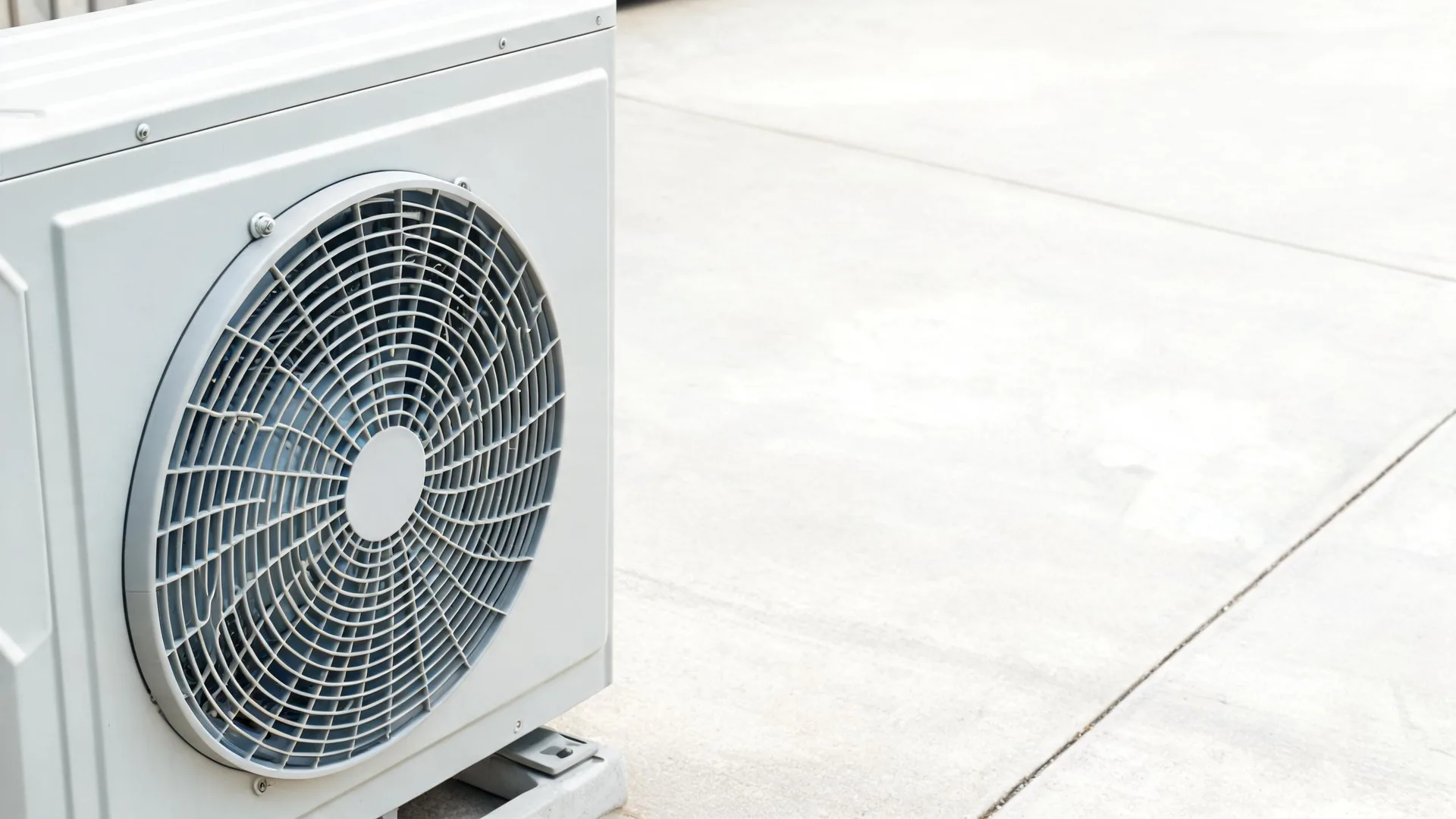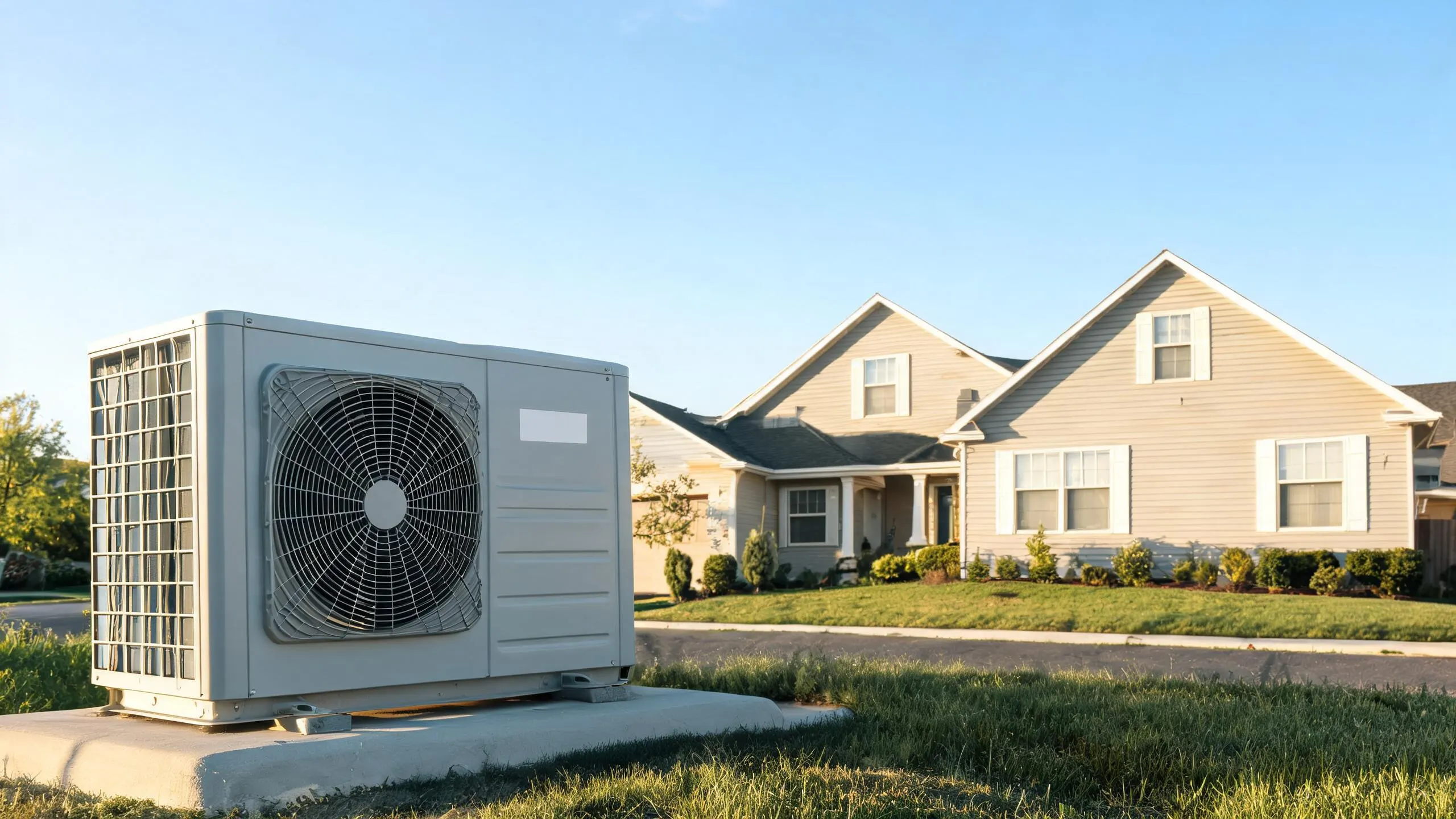
An outdoor heat pump unit mounted on a concrete pad in front of a two-story suburban house.

Heat Pump Repair in Batesville, MS

Tell us about the job

Takes about a minute. No obligation.

RepairHeat PumpPanola County, MS
Step 1 of 2

What ZIP code is the job in?

Outages happen here, breakdowns don't follow

Panola County has recorded 71 severe weather events between 2015 and 2024, enough wind and storm activity to knock the power out now and then. A heat pump that won't start after an outage usually just needs the breaker reset or the control board checked, not a new system.


Most calls are still ordinary wear

Hail and winter storms have hit the county too, but neither is the usual reason a heat pump in Batesville needs a repair. A stuck contactor, a low charge or a worn capacitor accounts for most service calls here, the same as anywhere else.

5 months
November through March, your system heats
5 months
May through September, it cools
35°F
the average winter night it heats against
90°F
the average summer afternoon it cools against
Isometric cutaway illustration of a small house showing interior ductwork and an air handler connected by lines to an outdoor condenser unit on a pad beside the building.
Your system heats November through March and cools May through September.

NOAA nClimDiv, 1991–2020 normals

Check the thermostat batteries and the breaker before anything else.

A heat pump with a dead breaker or a dead thermostat looks exactly like a broken one.

Half these homes were built by 1988, but age isn't why your heat pump quit

Half the homes here were built by 1988
Power costs 13.39 cents a kWh statewide
Climate zone 3A

A heat pump in Batesville runs about five months of heat, November through March, and about five months of cooling, May through September. The first cold snap in November is usually when a weak part gives out, because that's the first time since spring the system has to reverse and push heat instead of pulling it. If yours has sat idle since March, October is worth a look, especially the reversing valve and the contactor. The same thing happens in reverse each April, right before cooling starts. A unit that struggled last September often acts up again at the first warm stretch, not because anything got worse sitting idle, but because nothing got fixed.

Get the usual fix

Nothing about this area is especially hard on it. It's most likely the usual problem with the usual fix.

Find a contractor
A man in a cap, dark long-sleeved shirt and brown work pants, seen from behind, carries a worn leather tool bag up porch steps toward a blue front door beside a blue planter with a shrub.
A white mini-split heat pump outdoor unit mounted on a concrete pad beside a gray-sided house, surrounded by gravel and green shrubs.

Keep running it and the small problem finds the big one

A heat pump that's struggling doesn't fail all at once. A weak capacitor still spins the fan, just slower, so the motor runs hotter than it should every hour the system is on. A low charge still moves refrigerant, just not enough, so the compressor works harder to do the same job. Left alone, that extra strain is what turns a small problem into a failed part. The compressor is usually the last thing to go, worn down by whatever problem went unfixed before it. Short cycling does its own damage too. A unit that kicks off and on instead of running a steady stretch puts more wear on the contactor and the start components with every restart. None of this means shut the system off and wait. It means the sooner the actual problem gets found, the less strain the rest of the unit carries while it waits to be fixed.

The reversing valve sticks before it breaks

The reversing valve is what lets a heat pump switch between heating and cooling. It's held by a solenoid that doesn't move often, just at the start of each season, and a valve that sits still for months can stick instead of sliding. A stuck valve shows up as a unit blowing cold air when it should heat, or running nonstop without warming the house.

Refrigerant doesn't run out, it leaks out

A heat pump is a sealed system. It never needs refrigerant added unless there's a leak somewhere in the line, usually at a joint or a coil. Low charge makes the compressor run longer to move enough heat, and that extra run time is what wears the compressor down early.

Most of the time the unit tells you something is wrong before it quits outright. Weak heat is the common one, air coming out of the vents that never feels quite warm enough no matter how long it runs. Ice on the outdoor unit in the dead of winter is normal for short stretches, but a coil that stays frosted over is a sign the defrost cycle isn't doing its job. Listen for it too. A hard clunk when the system switches between heat and cool, a buzz from the outdoor unit, or a hum with no fan movement all point to a part struggling to do what it's supposed to. Short cycling, where it kicks on and off every few minutes instead of running a steady stretch, wears out the parts that start the system faster than normal use would. Any of these on their own is worth a call before the mild symptom turns into a no-heat or no-cool day.

A diagnostic visit starts with the thermostat and the breaker, the same things worth checking before anyone's called out. From there it's a look at the outdoor unit, the refrigerant pressures, and the electrical parts that make the system start and run. A gauge set on the lines shows whether the charge is low, and a meter on the capacitor and contactor shows whether they're holding up or starting to fail. The reversing valve gets tested too, since a stuck valve can look like other problems until someone actually runs the system through both modes and watches what it does. Most of this takes longer to explain than to do. A tech who knows what they're looking at can usually narrow a no-heat or weak-heat complaint down to one part before the visit's over.