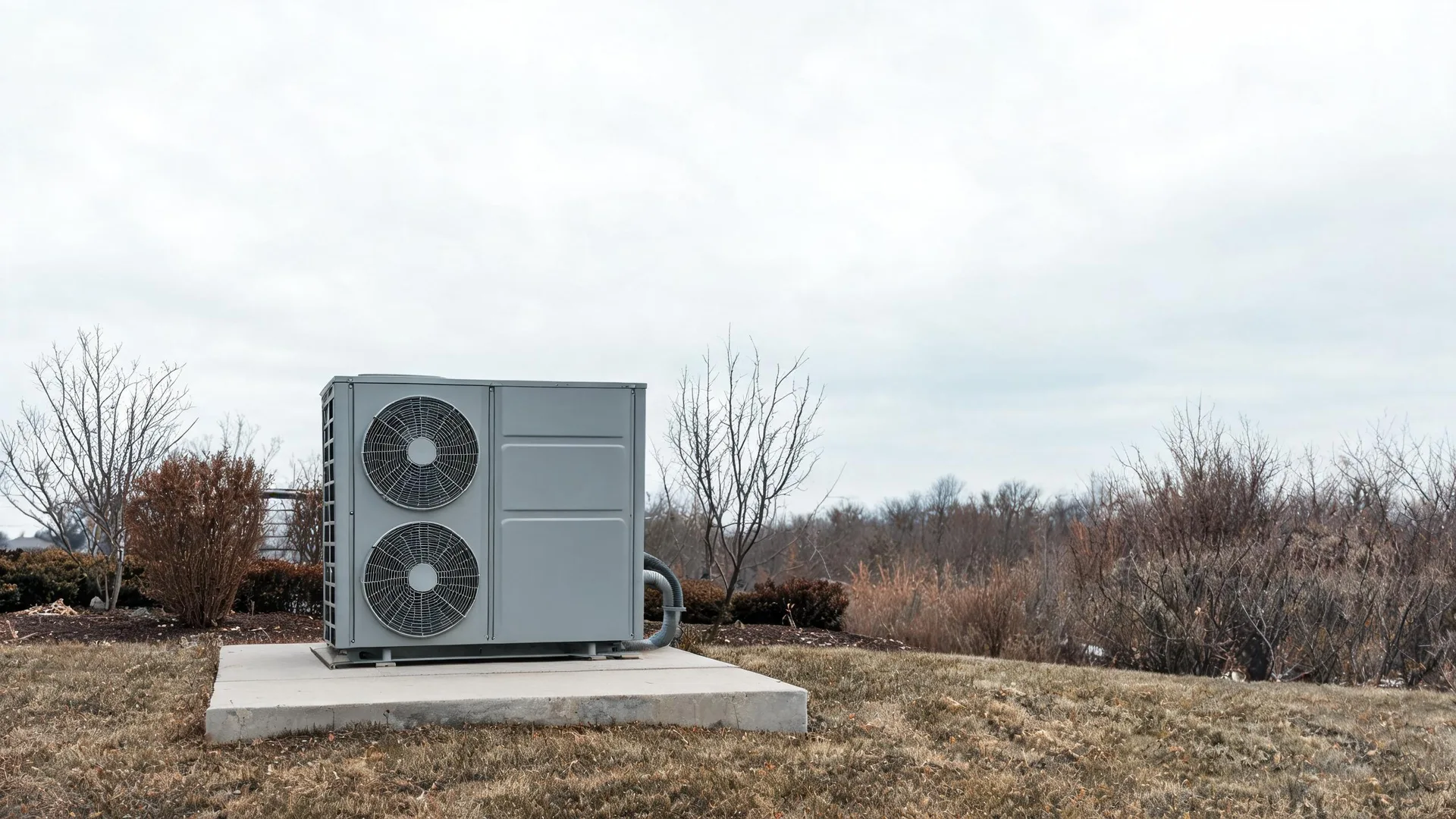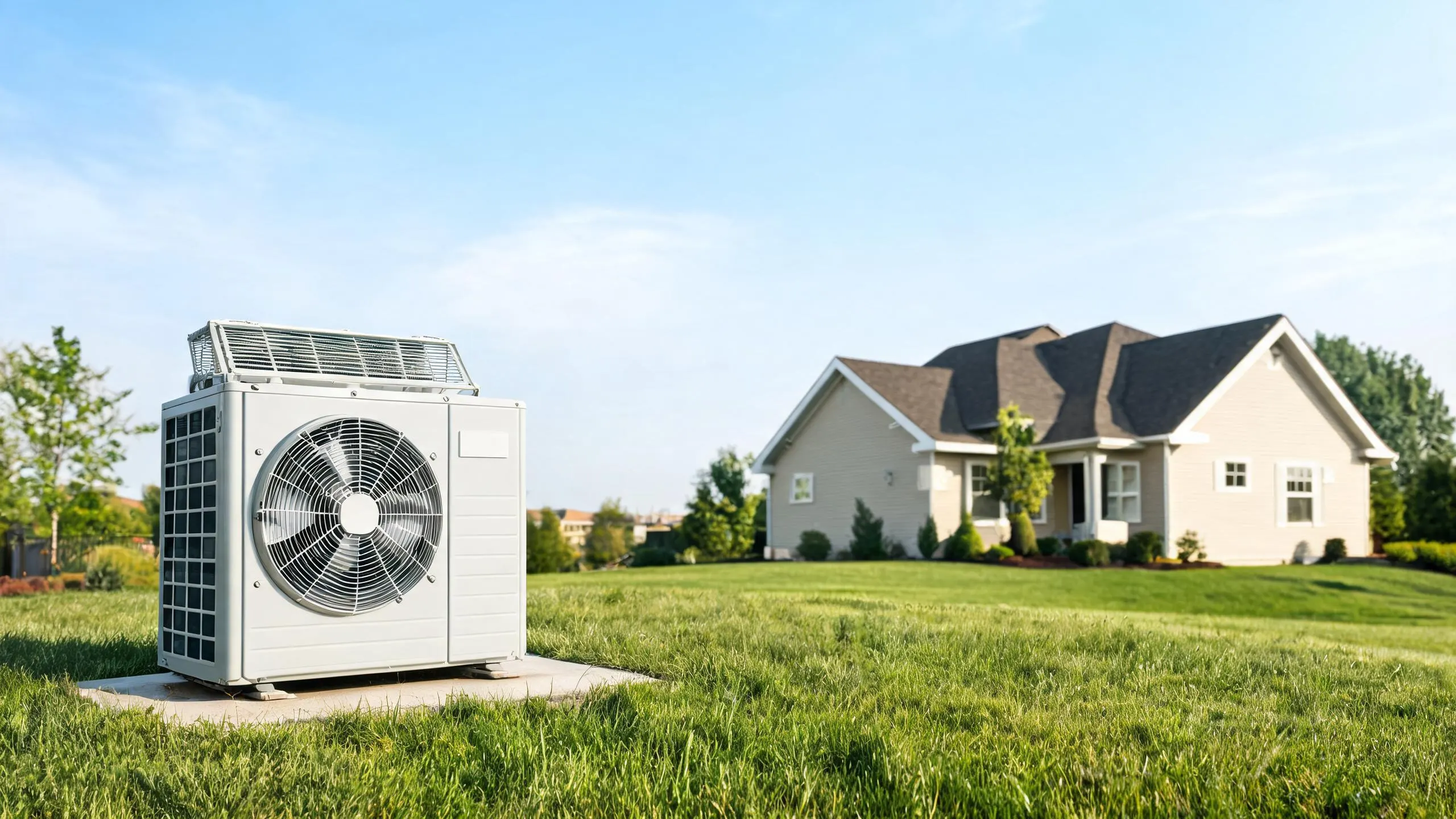
An outdoor air conditioning condenser unit mounted on a concrete pad in front of a single-story suburban house.

Heat Pump Repair in Pearl, MS

Tell us about the job

Takes about a minute. No obligation.

RepairHeat PumpRankin County, MS
Step 1 of 2

What ZIP code is the job in?

A frozen coil keeps freezing

Once ice builds on the outdoor coil, the system can't pull in the heat it needs, and more ice forms on top of what's already there. Left alone, the ice blocks airflow completely, and the compressor ends up pushing against a coil that can't do its job. Shutting the unit down to let it thaw is often the right move, not a workaround.


A failing part drags down the rest

A low charge or a bad capacitor makes the compressor strain to do its job, and a compressor that strains for days instead of hours wears down faster than one that gets looked at early. The same goes for a motor running on a bad bearing, or a contactor arcing every time it closes. None of these fix themselves by running longer.

5 months
November through March, your system heats
6 months
May through October, it cools
37°F
the average winter night it heats against
91°F
the average summer afternoon it cools against
Isometric grey-toned illustration of a cutaway house showing interior rooms, ceiling ductwork and an air handler, connected by lines to an outdoor condenser unit beside the building.
Your system heats November through March and cools May through October.

NOAA nClimDiv, 1991–2020 normals

Check the outdoor unit for a breaker that's tripped or a disconnect that's been pulled.

If the power's fine there, the problem is inside the system, and that's a job for a tech.

Heat pumps in Pearl go five months without running, then get asked for heat in November without warning

Cooling runs May through October
Heat runs November through March
213 damaging wind events from 2015 to 2024

Half the homes in Rankin County were built in 1995 or later, and Pearl's growth puts a lot of local houses in that newer half. A heat pump that came with a house like that still has years of working life in it, even with the freeze-ups and strained compressors covered above. That's the case for calling a repair tech instead of planning a replacement. If your system came with the house, check the installation date on the unit's nameplate before you assume the worst.

Get it looked at early

Problems tend to show up in the first weeks of the season, when the load hits a part that was already weak.

Find a contractor
A gray heat pump outdoor unit mounted on a concrete pad next to the stone-accented exterior wall of a house.

What a tech actually checks

A tech starts outside, checking refrigerant pressures and the amp draw on the compressor and both fans. Low charge shows up as a pressure reading outside the normal range, not as a gauge that simply reads zero. Inside, they'll pull the cover off the air handler and check the coil for ice or dirt, then look at the capacitor and contactor since those fail long before the compressor usually does. A thermostat call for heat has to travel from the stat to the board to the reversing valve, and a tech traces that path with a meter instead of guessing which link broke. Most of this gets done with the system running, because a problem that only shows up under load won't show up with the power off.

The reversing valve sticks

The reversing valve switches a heat pump between heating and cooling, and it only moves when the board tells it to. A valve that sticks halfway leaves the system blowing air that's neither hot nor cold, or stuck in one mode no matter what the thermostat asks for. It fails from wear on the seal inside, and once it leaks past that seal it doesn't reseat on its own.

The defrost cycle fails open or stuck

A heat pump melts the frost off its outdoor coil a few times a day, switching briefly into cooling mode to do it. A failed defrost sensor or timer either skips that step, so ice builds up unchecked, or it runs defrost too long, dumping cold air inside while the outdoor coil overheats. Either way the fix is the sensor or control board, not the coil itself.

A heat pump that needs attention usually tells on itself before anything stops working. The air from the vents turns lukewarm instead of warm, or the system runs nonstop without the house ever catching up to the thermostat. Short cycling is another sign. The unit kicks on, runs a couple minutes, shuts off, then starts again a few minutes later. That pattern strains the compressor, and it means something is cutting the cycle short before it should finish. A hissing or bubbling sound near the lines usually points to refrigerant escaping somewhere it shouldn't. Ice on the outdoor unit outside of a normal defrost cycle, or a unit that's grown noticeably louder, both call for a tech rather than waiting to see if it gets worse.

Mobile homes make up 12.3% of the housing in Rankin County, and the nameplate check matters most for those. A mobile home's heat pump is often a package unit sized and installed for that specific home, and parts for it still come down to the same capacitor, contactor and reversing valve covered above. Check the nameplate before guessing at the age either way. A unit installed when the home was built or when it last changed hands is easy enough to confirm, and that date tells a tech more than a guess about how the house looks from the road.