

Winters here don't ask much of either one
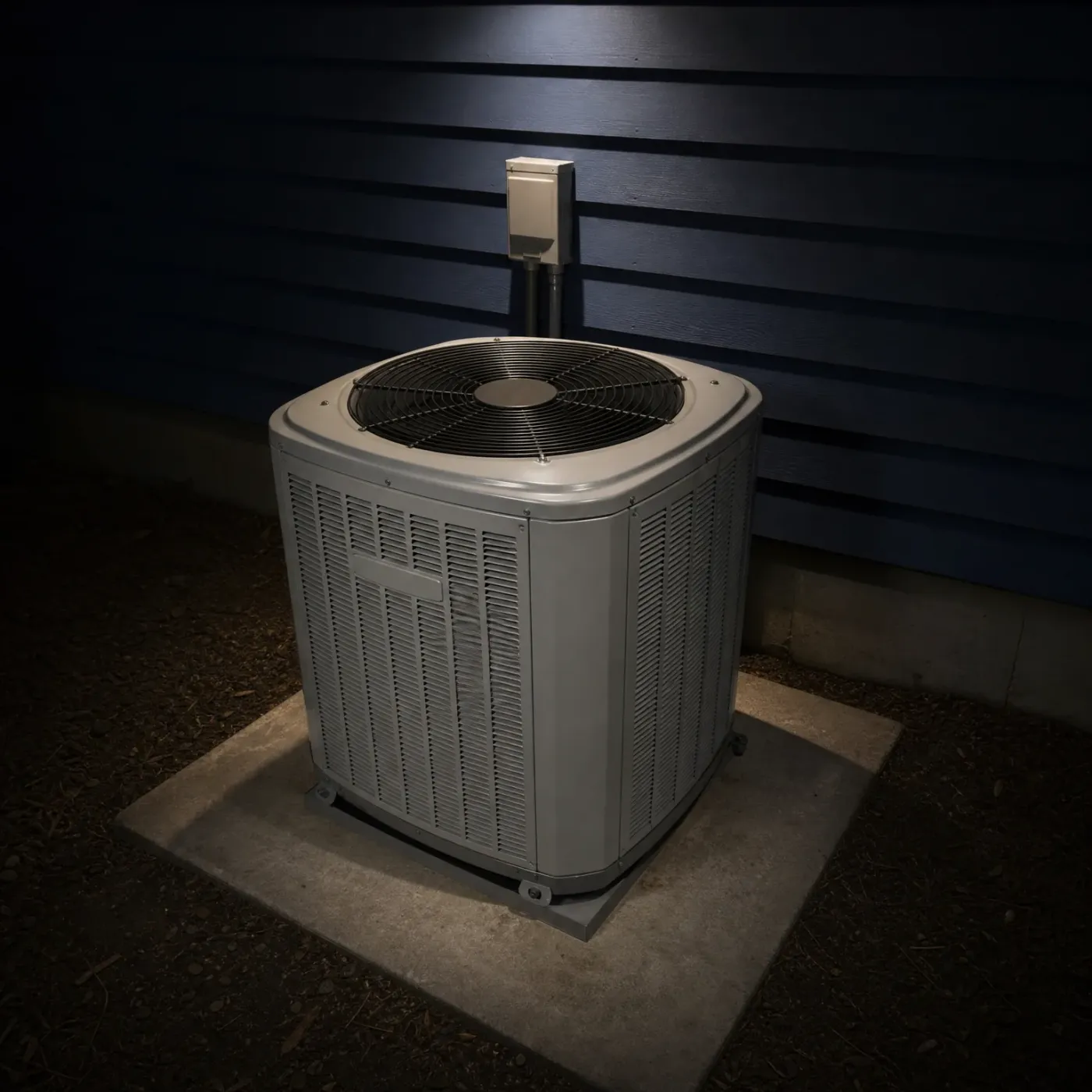
Your heat runs about five months a year in Rankin County, November through March, and most of those nights stay above freezing. The overnight low averages 37°F across December, January and February. It only drops to 32°F or below about 40 nights a year, under a third of the nights in the heating season. That is a mild winter by either machine's standard, and it is why the running costs came out so close: $1.79 per 100,000 Btu for a heat pump against $1.88 for a furnace. A heat pump does its best work in exactly this kind of winter, pulling heat from outside air that rarely gets truly cold. On the 40 nights that do drop to freezing or below, a heat pump built to the federal minimum leans on backup heat to keep up, and that cost is not in the $1.79 figure.
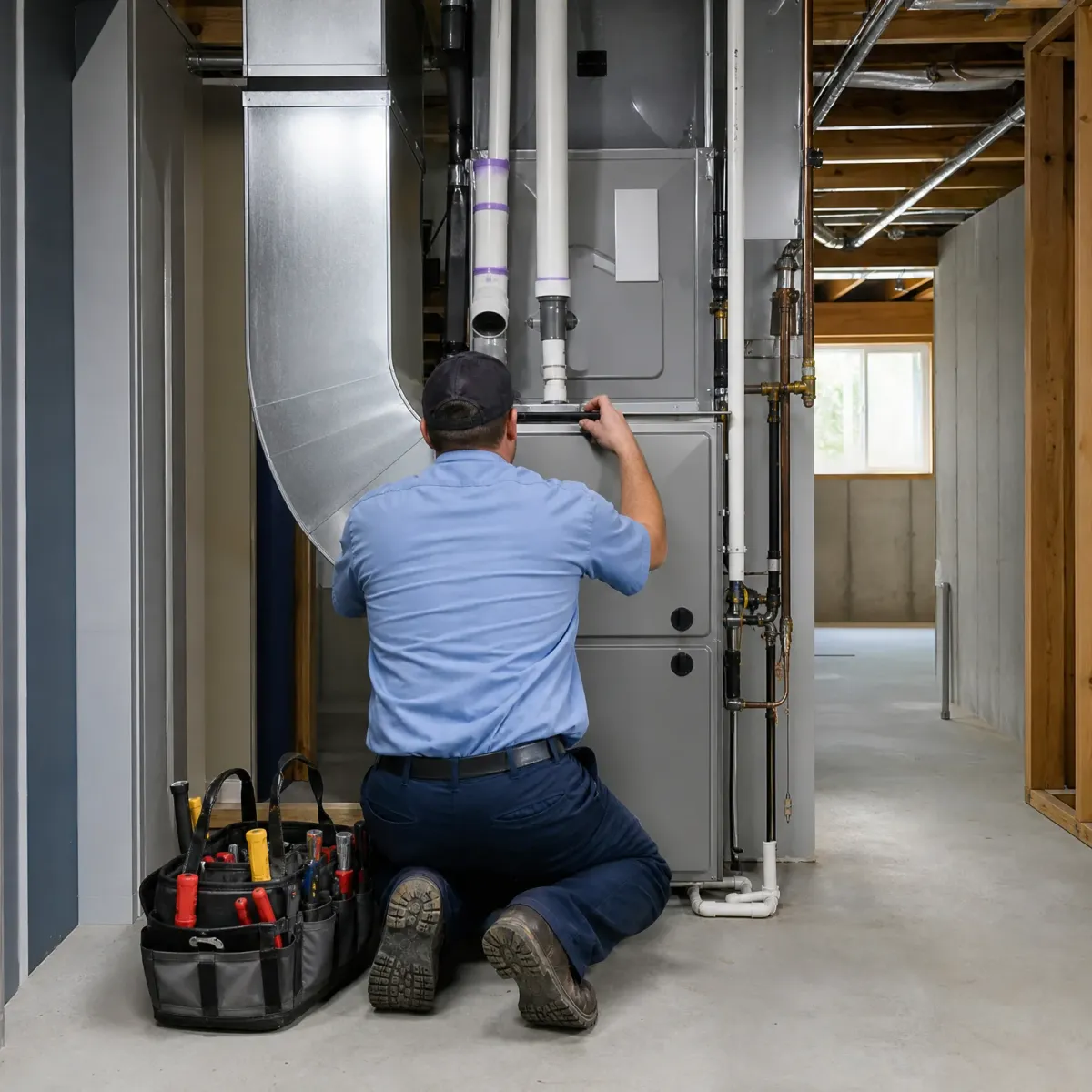
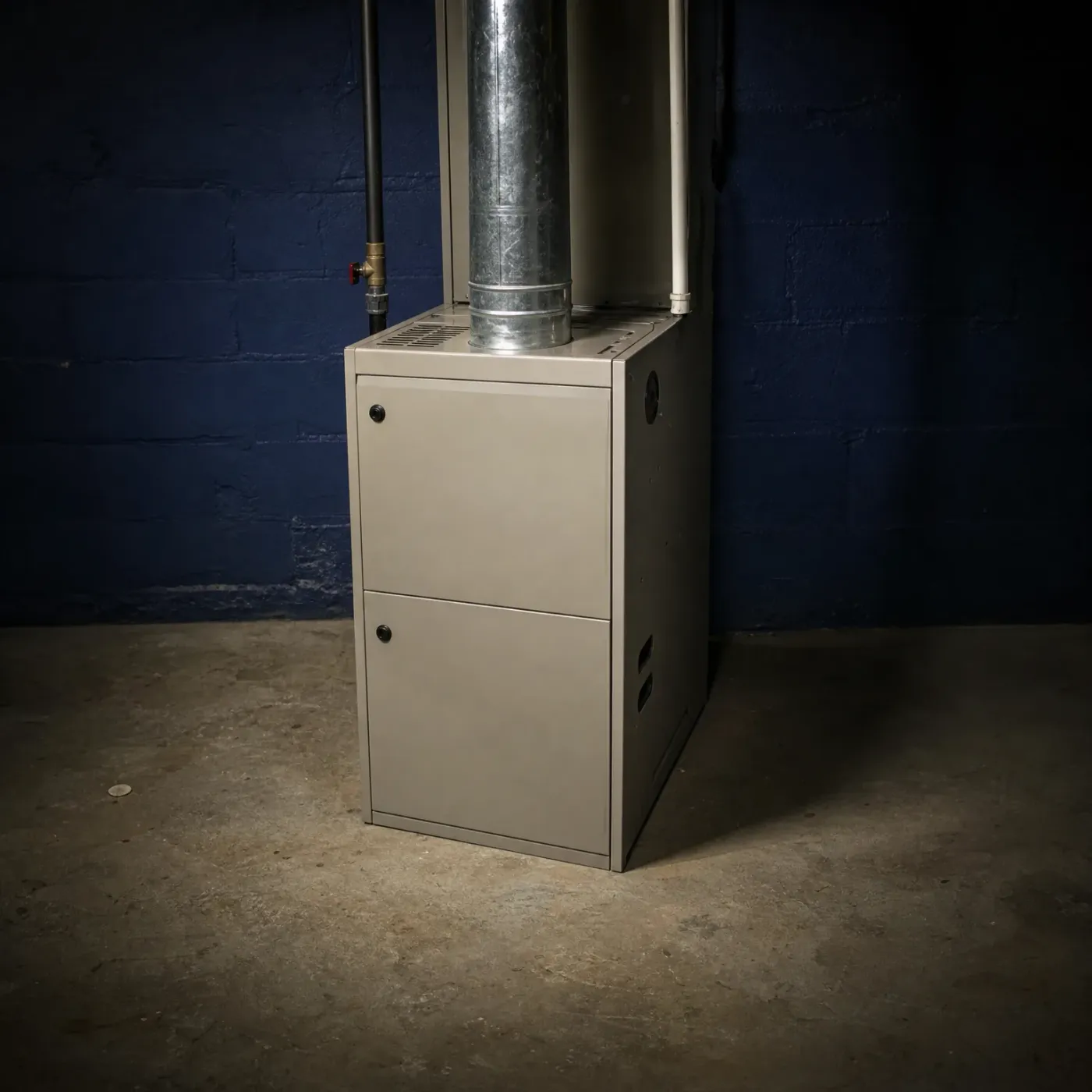
A furnace does not care how mild the winter is. It burns gas and the heat it makes does not change with the temperature outside. A heat pump's output does shift some as it gets colder, which matters less here than somewhere with a harder winter, because so few nights in Rankin County ask for that.