






Two illuminated white Southern-style houses with wraparound porches and staircases, framed by a Spanish moss-draped tree on a quiet street at night.

Furnace Installation in Pearl, MS

Tell us about the job

Takes about a minute. No obligation.

New system or replacementFurnace or heatingRankin County, MS
Step 1 of 2

What ZIP code is the job in?

Rankin County has logged 213 damaging wind events and 38 tornadoes over the past decade, the kind of weather that knocks out power more than it damages equipment sitting indoors. A furnace itself is sheltered from wind and hail, but it still needs electricity to run. Nearly a third of Mississippi households lost power for a day or more in 2024. Most newer furnaces use an electric igniter and blower, so even with gas reaching the house, no power means no heat. A standing pilot furnace will still light without it. If you're installing new, ask the contractor how the system handles an outage, and where a backup power source would connect if you add one later.

5 months
November through March, your furnace is on duty
37°F
the average winter night it heats against
80% AFUE
the federal minimum any new unit must meet
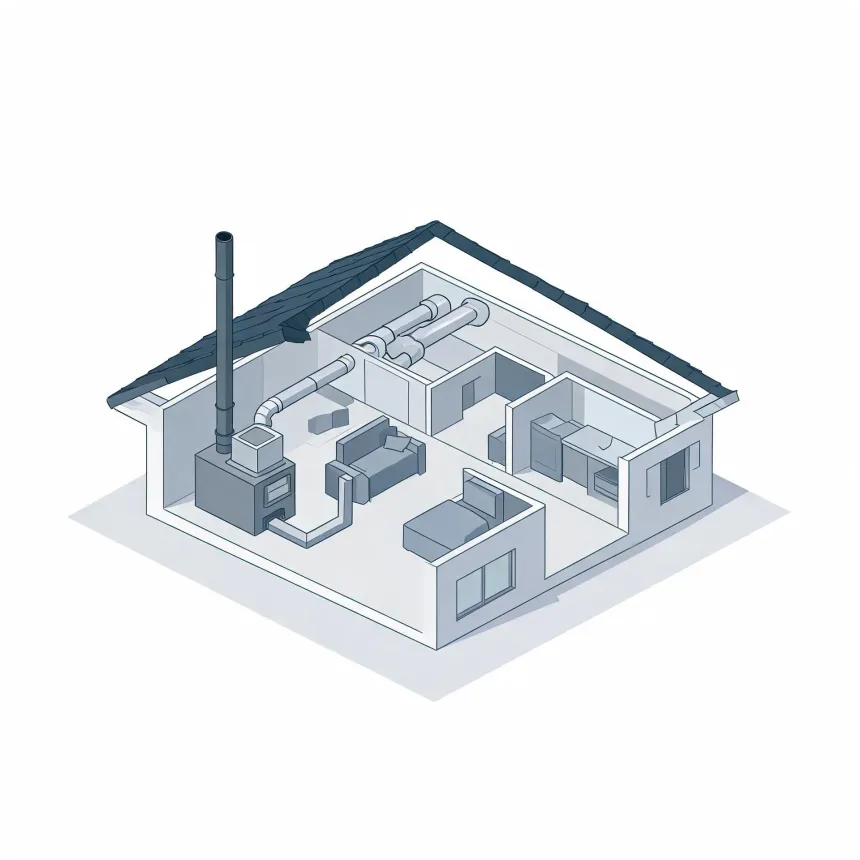
Isometric line illustration of a cutaway single-story house showing interior rooms with furniture, a furnace unit with a tall flue pipe, and connected ductwork running under the pitched roof.
Your furnace works hardest from November through February.

NOAA nClimDiv, 1991–2020 normals

Electricity heats 47.1% of homes in Rankin County, just ahead of utility gas at 43.6%.

Both fuel types are common here, so a contractor installing your new furnace has likely set up the same fuel before, just down the road.

October is the month to get this done, before heat season starts in November

Heat runs November through March
Winter nights average 37°F
Climate zone 3A
Power here is cheapElectricity runs $39.26 per million Btu in Mississippi, so a high-efficiency furnace takes longer to pay for itself

Furnace here runs about five months a year, November through March. The rest of the year it sits unused. Overnight lows average 37°F through December, January and February, cold enough to need steady heat, not the kind of extreme cold that pushes a system to its limit night after night. That's a short, moderate season, so the top efficiency tier on the market isn't what this job calls for. A reliable, correctly sized unit will hold up fine here for years.

Your new furnace has to meet zone 3A's efficiency minimum. Here's what that means for your options.

Any furnace installed here now has to hit 80 percent AFUE at minimum, and that holds until the end of 2028, when the bar moves to 95 percent. Pair it with the federal tax credit on qualifying high-efficiency equipment and a short, mild season like this one, and the math favors doing it right the first time.

Find a contractor
A man in a cap, long-sleeved shirt and work pants carries a canvas tool bag up porch steps toward a dark blue front door, beside a blue ceramic planter.
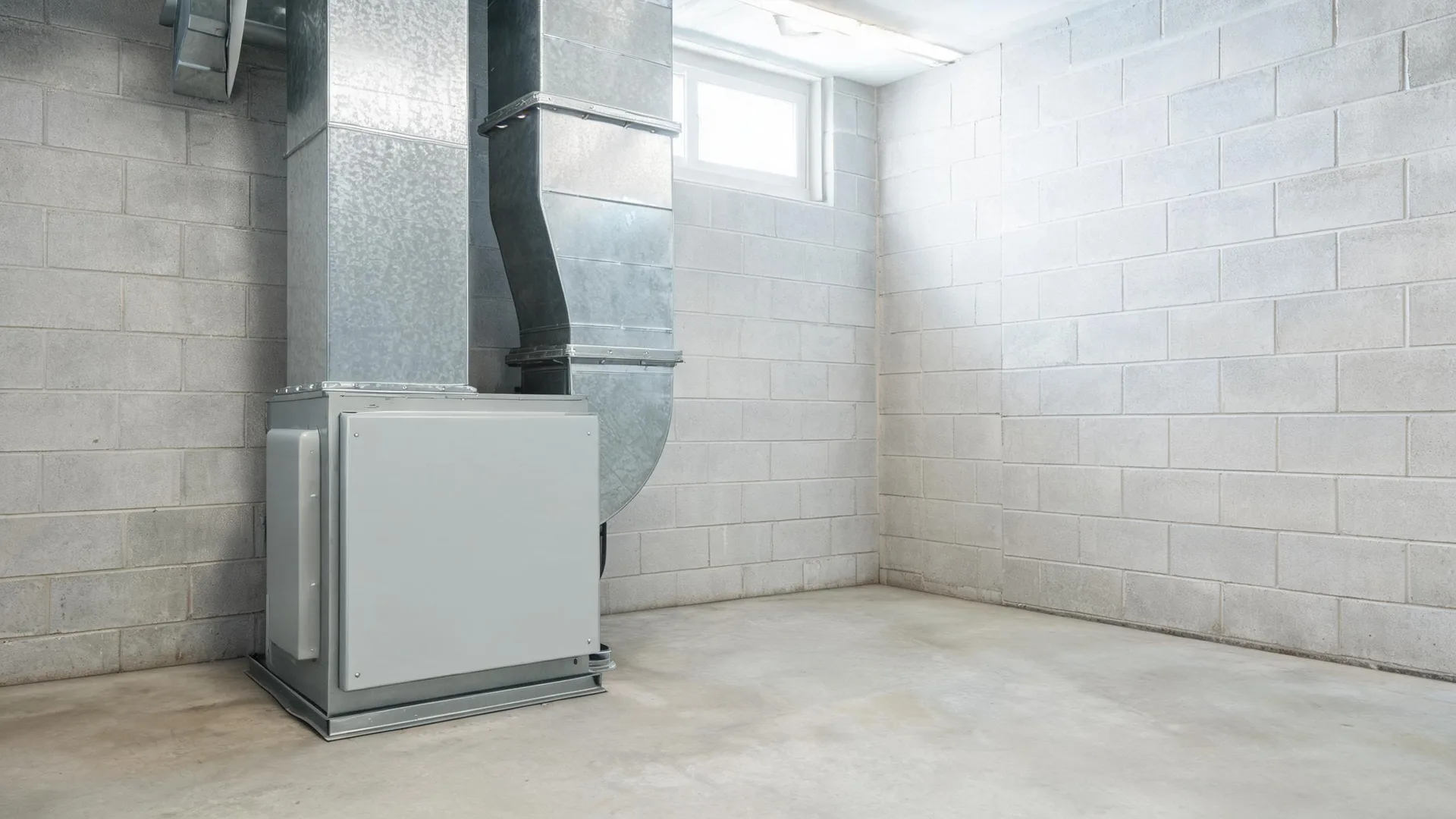
A gray residential gas furnace installed in an unfinished basement, surrounded by ductwork, a metal flue pipe, and a gas supply line.

The old furnace doesn't just get switched off

The old furnace doesn't get left in place. It comes out as part of the same job, along with the vent pipe if the new unit needs a different type. If it's a standing pilot system going out for a sealed combustion furnace, that old vent often can't be reused at all. A contractor hauling out the old equipment will also check the flue and gas line for anything that needs to change before the new furnace connects in. None of that shows up as a separate line item, it's just part of pulling an old system and putting in one that matches current venting rules.

Bigger isn't safer

A furnace too large for the house heats the air fast, shuts off, then sits idle until the house cools again. That on-off cycling wears the heat exchanger and leaves rooms farther from the furnace colder than the rest, because the air never runs long enough to push all the way through the ducts.
The load calculation is the job

A contractor works out the right size with a room-by-room load calculation, not a guess based on the old unit or the square footage alone. It accounts for window area, insulation, ceiling height and how the ductwork moves air through the house. Get this step right and everything downstream, comfort, and how long the equipment lasts, follows from it.

Sizing and ductwork drive most of what you'll pay, more than the brand on the unit. A furnace that matches the load calculation costs less to install correctly than one that gets forced into ducts built for a different size system. If the existing ductwork is undersized or leaky, extending or sealing it adds to the job, but skipping that step means the new furnace fights the same airflow problems the old one did. Venting matters too. A higher-efficiency furnace needs different venting than a standard one, and running new vent pipe costs more than reusing what's there. The thermostat, the wiring to it, and whether the electrical panel can handle the new blower all factor in as well. None of this shows up on a price tag for the furnace itself, but it's the work that determines whether the system heats the house evenly for years or struggles from day one.

Installation day starts with the old furnace coming out. That's when a contractor can see what the ductwork and venting actually look like, not just what the load calculation said on paper. Expect the gas line disconnected and checked, the old vent pipe removed if the new furnace needs a different kind, and the ducts tied back in at the plenum. The new unit gets set, leveled, and connected to gas, power, and the thermostat wire. Airflow testing comes next, and it's the part that takes the longest if it's done right. A contractor checks the temperature rise across the heat exchanger and adjusts the blower speed so it falls in the range the manufacturer specs. Static pressure in the ducts gets checked too, to confirm air is moving the way the system needs it to. The furnace gets fired and run through a full cycle before anyone calls it done. A straightforward swap with sound ductwork already in place goes faster than one where vent pipe has to be rerouted or ducts resized. Ask what's involved before day one so there are no surprises once the crew is in the house.