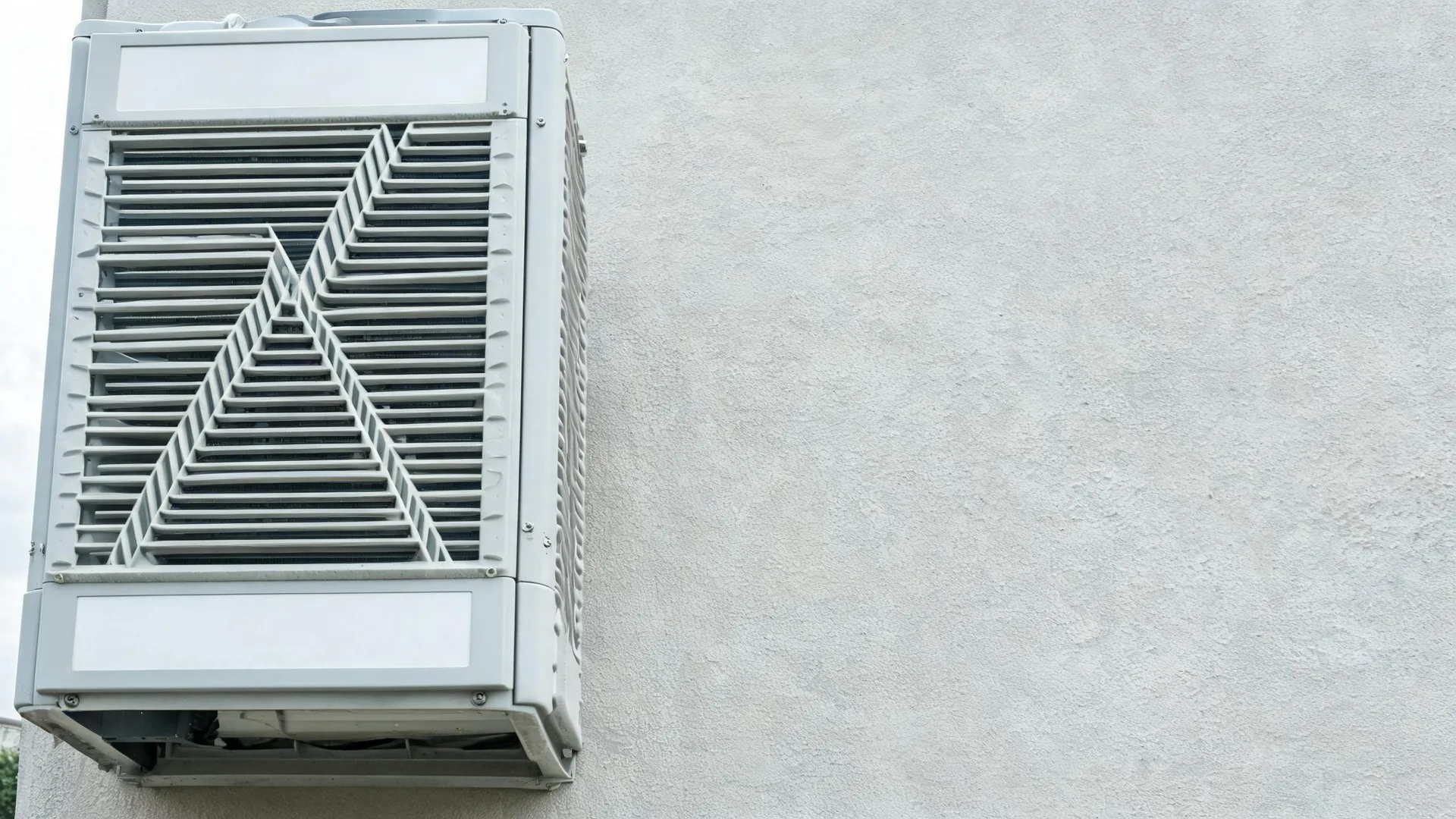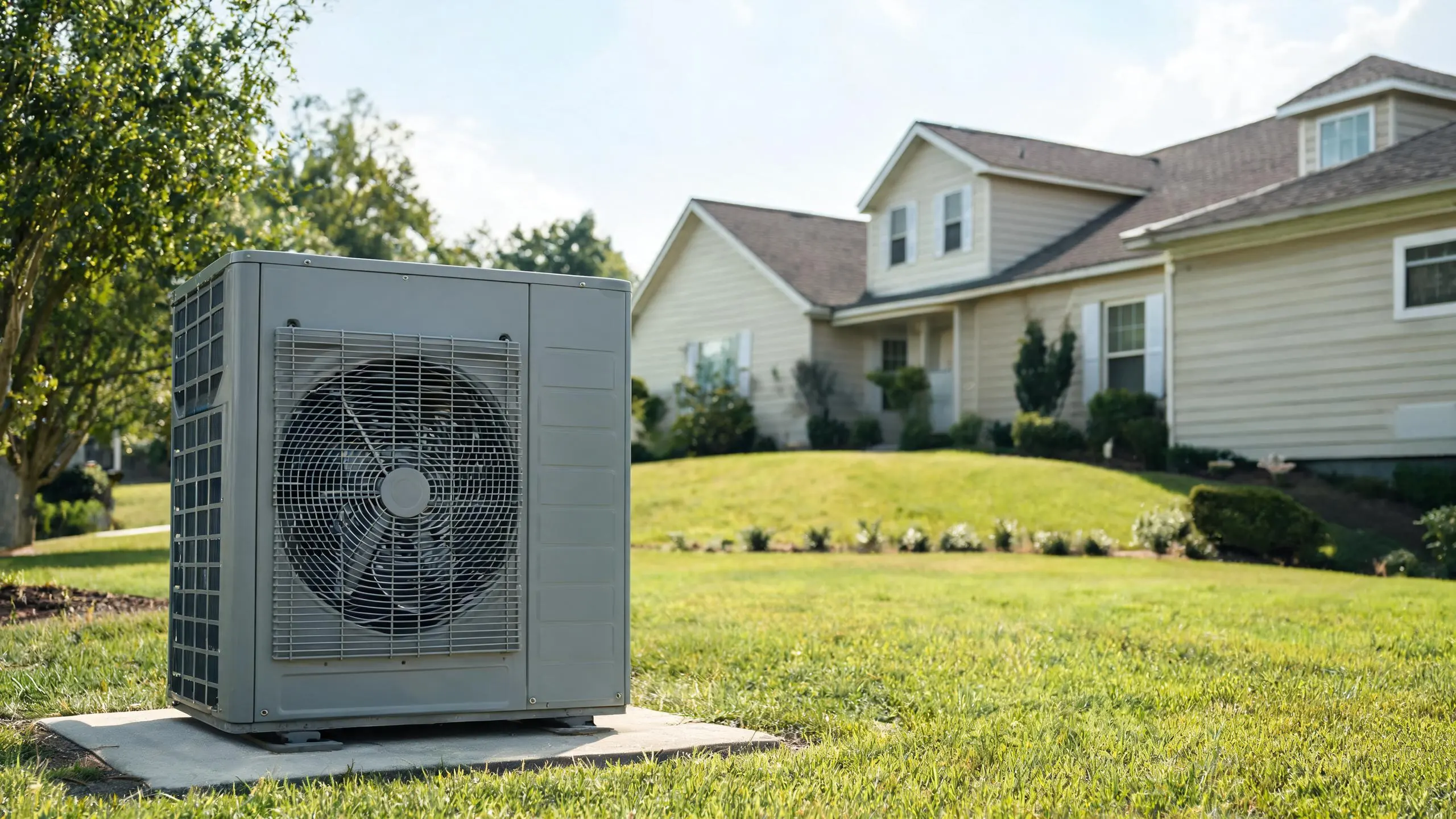
A gray outdoor HVAC condenser unit mounted on a concrete pad in the front yard of a two-story suburban house.

Heat Pump Installation in Pearl, MS

Tell us about the job

Takes about a minute. No obligation.

New system or replacementHeat PumpRankin County, MS
Step 1 of 2

What ZIP code is the job in?

Weather here is hard on outdoor equipment

Rankin County logged 328 severe weather events between 2015 and 2024, most of them damaging wind or hail. A heat pump's outdoor unit sits outside through all of it, so where it goes and what shields it from debris and hail is worth deciding before install, not after.


Plan for the power to go out

30% of Mississippi households went at least 24 hours without power in 2024. A heat pump needs electricity to run, for heat and for cooling both, so an outage takes the whole system down at once. Worth talking through backup options with the installer, especially for anyone who needs reliable heat on the coldest nights.

5 months
November through March, your system heats
6 months
May through October, it cools
37°F
the average winter night it heats against
91°F
the average summer afternoon it cools against
Isometric cutaway illustration of a small house showing interior rooms with furniture, an indoor air handler with ductwork, and lines running to an outdoor condenser unit beside the building.
Your system heats November through March and cools May through October.

NOAA nClimDiv, 1991–2020 normals

Electricity already heats 47.1% of homes in Rankin County, more than gas or anything else.

A heat pump runs on the same power your old setup likely used, so swapping it in is usually the simpler job.

Power is cheap here, so a heat pump earns its keep on reliability, not on the electric bill

Power costs 13.39 cents a kWh statewide
213 damaging wind events from 2015 to 2024
64 hail events from 2015 to 2024
Put it in before MayCooling starts in May here. April is the month to get a heat pump installed, not the month to find out your old one quit.

At 13.39 cents a kilowatt-hour, Mississippi power costs less than most of the country pays. That changes what's worth paying extra for at install. A higher-efficiency heat pump will cost more up front and take longer to earn that back on your bill here than it would somewhere with pricier power. So when you're comparing models, weigh the warranty, the build quality, and how the installer handles sizing and setup ahead of the efficiency rating. A unit that holds up through Rankin County's wind and hail, and keeps running without issues, is worth more here than a few extra points of SEER2.

Any heat pump installed here has to clear 14.3 SEER2 for cooling and 7.5 HSPF2 for heating

That's the federal minimum for Rankin County's zone, and it's already higher than what the rest of the country requires. A federal tax credit is available on qualifying equipment, which is worth factoring in while you're comparing models and getting quotes.

Find a contractor
A man in a gray t-shirt and brown work pants carries a canvas tool bag up porch steps toward a blue front door of a house with gray siding.
A gray heat pump outdoor unit mounted on a concrete pad next to the stone-accented exterior wall of a house.

What happens to the old unit once it's out

Once the new system is in, the old outdoor unit gets disconnected and hauled off, along with the indoor coil if it's being swapped too. The refrigerant in the lines has to come out first. A licensed installer recovers it into a tank rather than letting it vent, since that refrigerant isn't supposed to go into the air. The old lineset usually comes out too, especially if the new system uses a different refrigerant than the old one did. Reusing old copper lines on a new heat pump is sometimes possible, but only after they've been flushed clean, and plenty of installers would rather run new line than take that chance. If the old system was on a pad outside, that pad either gets reused or broken up, depending on whether the new unit's footprint matches. None of this is work the homeowner needs to manage. It just helps to know the old equipment doesn't just get unplugged and left behind.

Sizing the system right costs more at the quote stage

A heat pump has to be sized to the house, the ductwork, and the windows and insulation it's working against. Getting that right takes a load calculation, not a guess based on the old unit's size. An installer who does this properly is pricing in that time. One who skips it and just matches the old tonnage might quote lower, but you could end up with a system that short-cycles or can't keep up on the coldest or hottest days.

What the ductwork needs changes the job

A heat pump moves a different volume of air than a furnace or straight AC setup did, especially if the old system was gas heat with no cooling coil at all. If the ducts, the indoor coil location, or the electrical panel need work to support the new equipment, that's added labor beyond the equipment itself. An installer should walk the whole system with you, not just swap the box outside and call it done.

A load calculation looks at floor area, window count and orientation, insulation, and ceiling height. It works out how much heat the house gains in summer and loses in winter. That number drives the tonnage of the unit, the size of the ductwork, and the speed of the blower. Oversize it and the heat pump satisfies the thermostat fast, shuts off, and starts again a few minutes later. Short cycles like that never run long enough to pull moisture out of the air, so the house ends up cool but clammy. Undersize it and it runs constantly and still can't hold the temperature on the hottest or coldest days. Either mistake wears out the compressor faster too, since neither short-cycling nor nonstop running is how the equipment is meant to work.

Install day starts outside, with the old outdoor unit disconnected and the refrigerant recovered before anything gets unhooked. Indoors, the coil and air handler or furnace connection come next, since most heat pump setups still tie into the existing ductwork. The electrical work usually takes longer than people expect, since a heat pump often needs a different disconnect or breaker than whatever heated the house before. Once the new equipment is set and wired, the installer checks the refrigerant charge, confirms airflow at the vents, and runs the system in both heating and cooling before calling it finished. That last check matters, because a heat pump that looks installed correctly can still be short on charge or airflow, and the only way to catch that is to run it.