Three white clapboard houses with wraparound porches glow with warm interior and landscape lighting beneath Spanish moss-draped oak trees at dusk.

Heat Pump Repair in Hattiesburg, MS

Tell us about the job

Takes about a minute. No obligation.

RepairHeat PumpForrest County, MS
Step 1 of 2

What ZIP code is the job in?

This county gets hit often

Forrest County logged 164 severe weather events between 2015 and 2024. Damaging wind caused most of them, with hail and tornadoes adding to the count. That is a lot of chances for an outdoor heat pump unit to take a direct hit.

A unit can take damage and keep running

A bent fin or a cracked fan blade does not always stop a heat pump right away. It can run weaker for months before it quits. If your outdoor unit has been through hail or flying debris, have it looked at even if you have not noticed a problem yet.

5 months
November through March, your system heats
6 months
May through October, it cools
40°F
the average winter night it heats against
91°F
the average summer afternoon it cools against
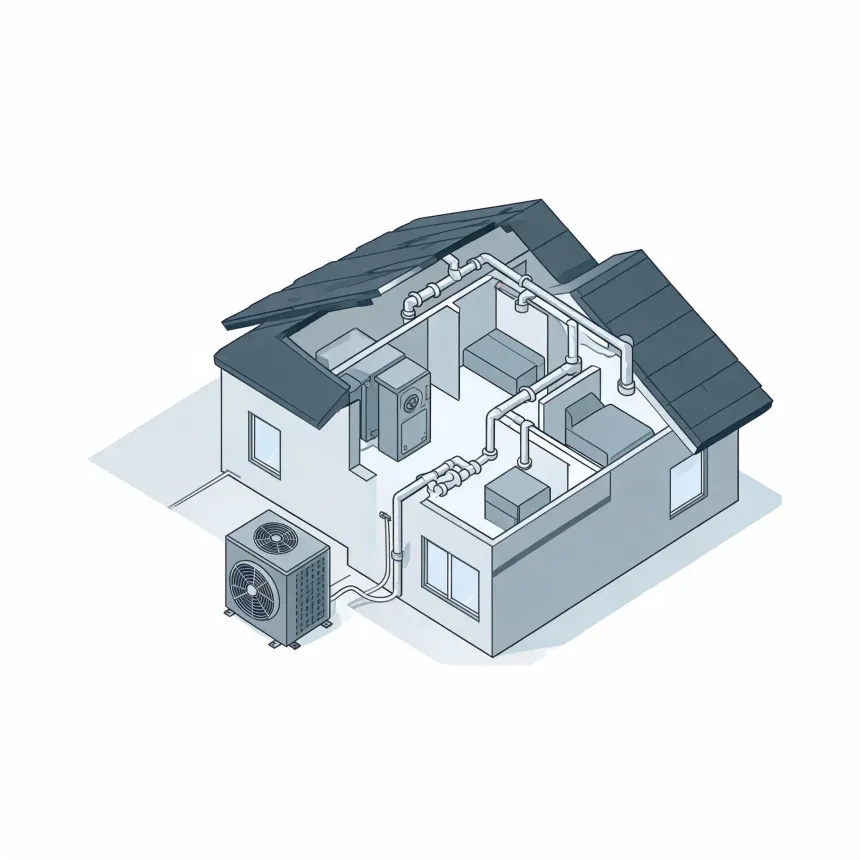
Isometric grayscale illustration of a cutaway two-story house showing interior ductwork, an indoor air handler unit, and an outdoor condenser unit on a pad beside the building.
Your system heats November through March and cools May through October.

NOAA nClimDiv, 1991–2020 normals

Wind hit Forrest County hard enough to cause damage 115 times between 2015 and 2024.

Your outdoor unit has been sitting through that, and the strain usually shows up as the repair call you're making now.

Your heat pump works hardest in its first weeks on, and October is when the weak spot gives out

Cooling runs May through October
Heat runs November through March
115 damaging wind events from 2015 to 2024

Half the homes in Forrest County were built in 1982 or earlier, half in 1982 or later. If yours is one of the newer ones, your heat pump is probably newer too, and that matters when you're deciding whether to fix it or replace it. A heat pump that's a few years old and still under warranty is almost always worth repairing. A cracked capacitor or a bad contactor doesn't mean the system is done, it means one part failed. Worth checking when your system went in, especially if it came with the house.

If this storm season left a mark on your unit, get it checked now

If your outdoor unit has taken hail or wind damage this year, don't wait for it to quit. A weak heat pump can limp along for months before it fails outright, usually on the coldest or hottest day of the year. Get it looked at now and find out before it picks that day.

Find a contractor
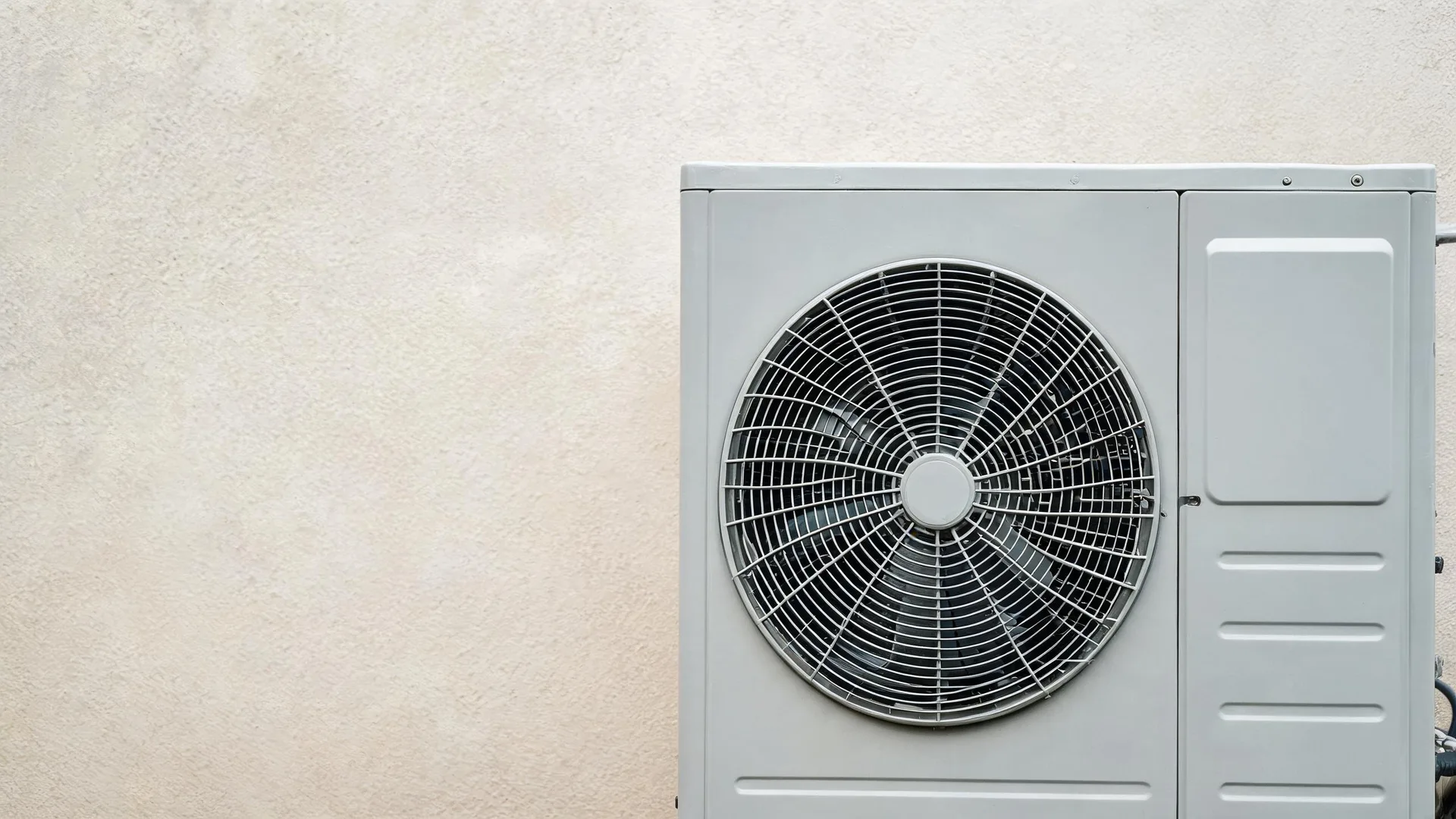
A residential heat pump outdoor unit mounted on a concrete pad next to a house with gray vinyl siding.

Get it checked between storms, not after one

Call someone out before the next front comes through, not after. A tech can check the fan blade and fins for damage from past wind, check the refrigerant charge, and test the contactor and capacitor while the unit is still running instead of after it quits.

A weak run drags other parts down with it

A heat pump low on refrigerant makes the compressor work harder for every degree it moves. That extra strain shows up as heat inside the compressor, and heat is what wears one out early. The longer the system runs low, the more it's the compressor taking the damage instead of the part that actually caused it.

A bad start is worse than no start

A failing capacitor can still let the fan or compressor motor limp into motion, just slower and rougher each time it cycles on. That rough start wears the motor windings a little more on every run. Shut the system off and the motor is still fine tomorrow. Leave it running on a weak capacitor and the motor is what gives out next.

Most heat pump failures start small. A capacitor weakens and the compressor or fan motor starts hard on every cycle instead of smooth. A contactor pits from years of arcing and starts sticking. Refrigerant leaks out slowly through a fitting and the system runs low for months before anyone notices. The outdoor coil gets coated in dirt or crushed from debris and can't shed heat the way it needs to, so the compressor runs hotter than it should. Defrost problems show up too, a stuck sensor or bad control board can leave frost building on the coil until the unit can't pull heat from the air at all. None of these start as a full breakdown. They start as one part working harder than it should, for longer than it should.

The question is never just how old the unit is, it's what actually failed. A capacitor, a contactor, a fan motor, these are parts a tech replaces on their own, and doing that doesn't touch the rest of the system. The compressor is different. It's the most expensive part in the unit and the one nobody replaces by itself, because if it's worn out the system is worn out. So the real question is whether the failure stayed where it started or spread. A heat pump that's been short on refrigerant for a long stretch, or kept running on a bad start, has usually been quietly loading the compressor the whole time. A system that's had its yearly check and lost one part suddenly hasn't. Ask what broke and why, not just how many years it's been running.