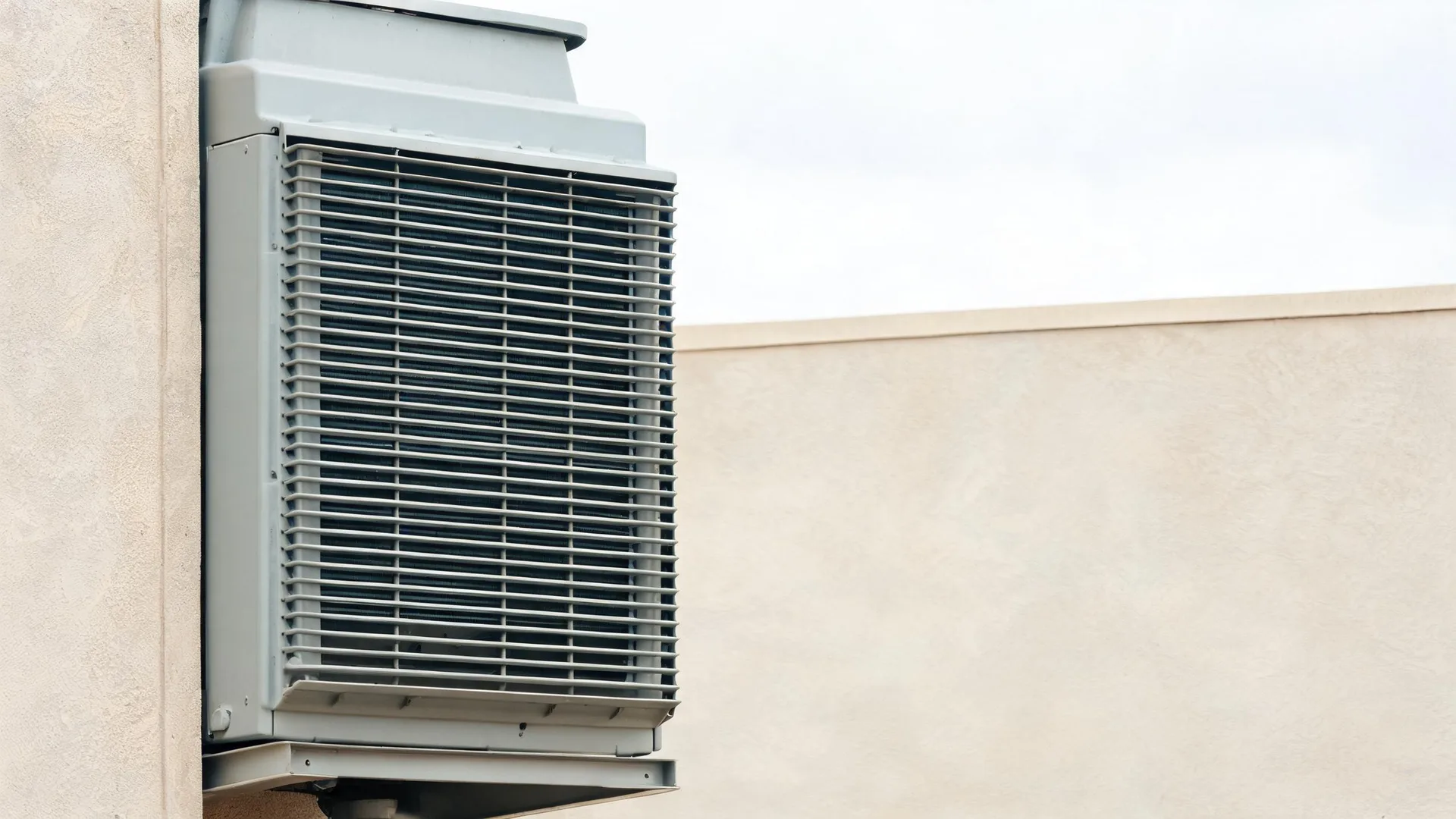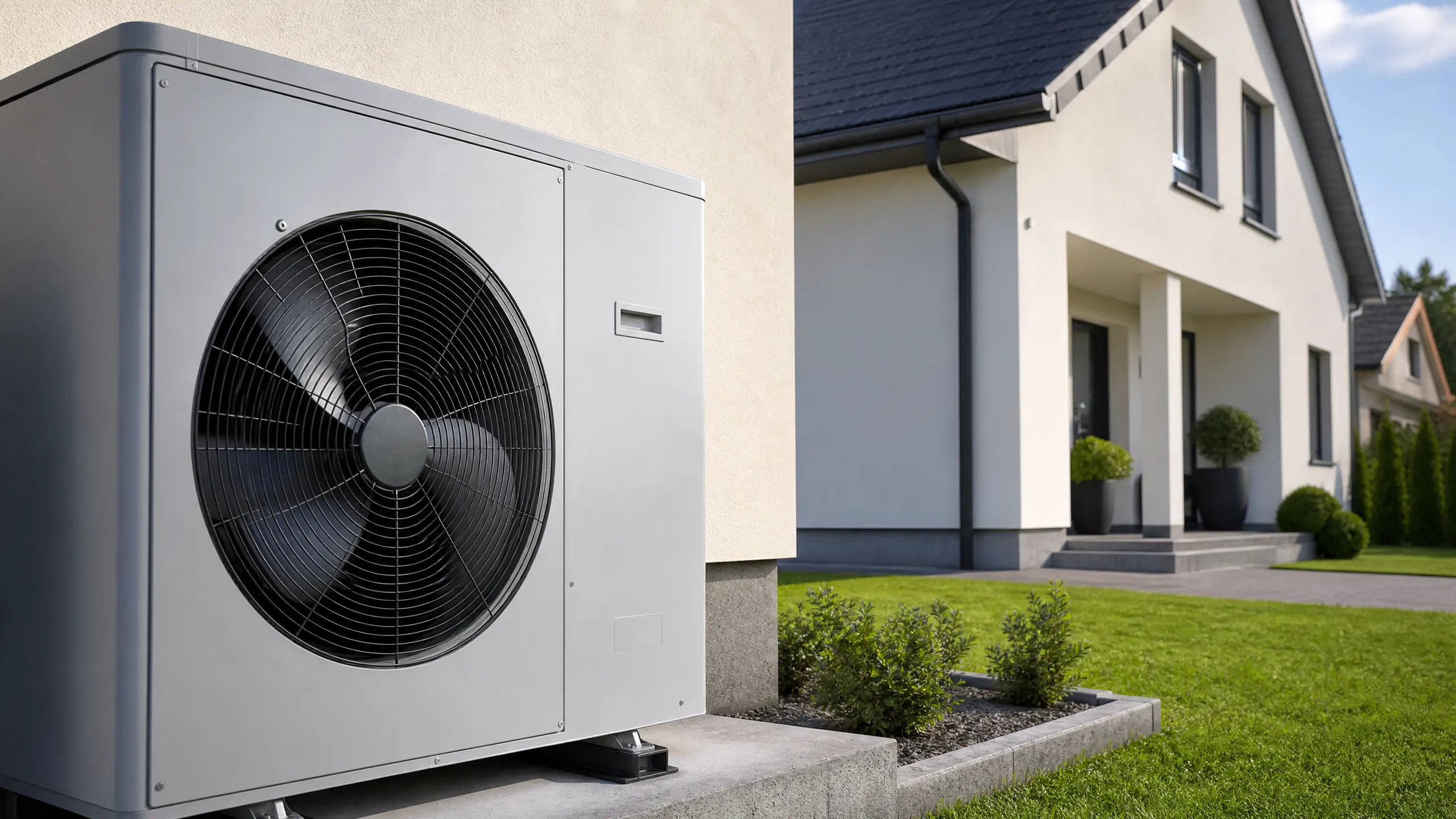
Weather here takes a toll
Lafayette County saw 79 severe weather events between 2015 and 2024, damaging wind among them. Hail and tornadoes have touched down here too. An outdoor heat pump unit sits through all of it, year after year.
Takes about a minute. No obligation.
Lafayette County saw 79 severe weather events between 2015 and 2024, damaging wind among them. Hail and tornadoes have touched down here too. An outdoor heat pump unit sits through all of it, year after year.
A heat pump that cycles on fine can still have a bent coil fin or a dented fan shroud from hail or flying debris. If a storm came through recently, it's worth having the outdoor unit looked at even without an obvious problem.
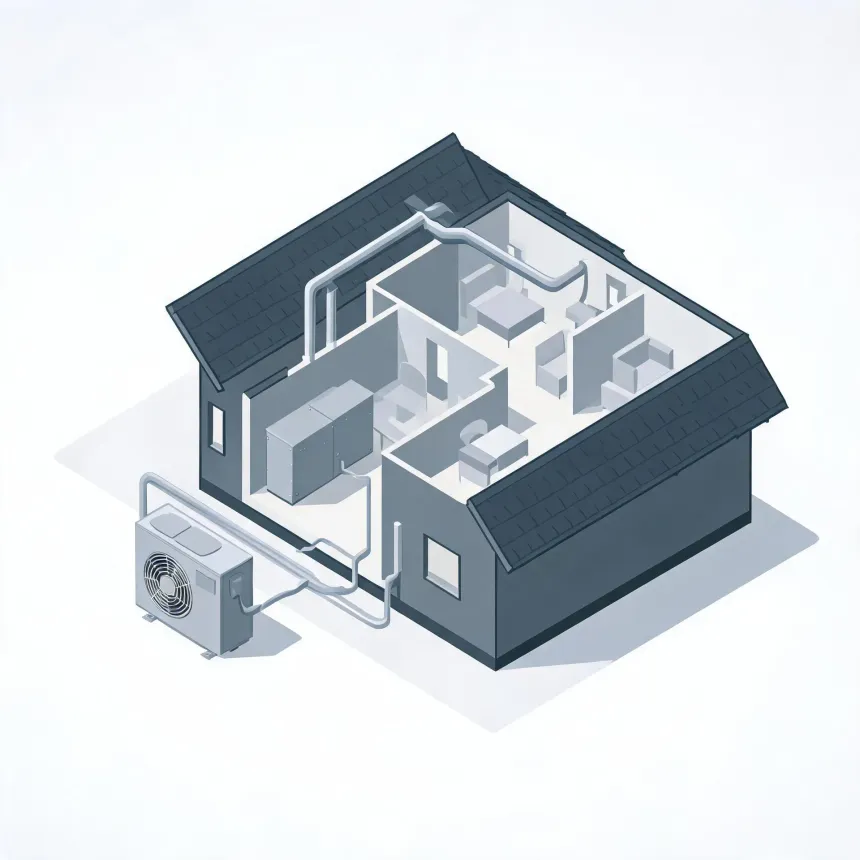
NOAA nClimDiv, 1991–2020 normals
Half the homes in Lafayette County were built in 2000 or later.
A heat pump in a house that age still has working life left, so repair is usually the right call.



Storms hit hard here. If the outdoor unit took hail or debris, have it checked even if it still runs.
Find a contractorBefore anyone comes out, a few things are worth a look. Check the thermostat is set to call for heat or cool and the batteries aren't dead, since a blank or frozen display sends a tech out for nothing. Go outside and look at the unit itself. If the coil is caked with leaves, grass clippings or dirt, that alone can cause a lot of what feels like a bigger problem. Clear whatever you can reach by hand, but don't hose it down or bend the fins trying to clean it. Look for ice on the coil or the lines running into the house. Some frost in cold weather is normal, but a solid sheet of ice is not. Check that nothing is blocking airflow around the outdoor unit, no bushes grown in close, no stored items pushed up against it. Inside, check the air filter. A filter packed with dust starves the system of airflow and can look exactly like a failing part. Walk the vents and make sure none are closed or blocked by furniture. None of this fixes a bad capacitor or a sticking reversing valve, but it rules out the simple stuff before anyone touches a gauge.
A furnace or an air conditioner doesn't have one. It's what switches the heat pump between heating and cooling, and the solenoid that drives it fails more than any other single part. When it sticks halfway, the unit runs but can't settle into one mode.
Dirt, cut grass and leaves build up on the fins over time and block airflow across the coil. The compressor has to work harder to move heat through a dirty coil, and that extra strain is what eventually takes it out. A coil kept clear is one less way for the system to fail.
A short cycling compressor or an iced coil doesn't fix itself by running longer. Every start draws a surge of current, and a compressor that short cycles is starting over and over instead of settling into a steady run. That's wear piling up fast instead of slow. Ice on the coil blocks airflow, so the system pulls in less heat than it needs and runs even longer to make up for it, which only builds more ice. A reversing valve that's starting to stick gets worse the same way. Each cycle it has to force its way into position, and the more it struggles, the sooner it sticks for good instead of just some of the time.
A diagnostic call starts outside at the unit itself. The tech hooks up gauges and checks refrigerant pressure on both sides, high and low. Those numbers point straight to whether the charge is right, whether the compressor is pumping the way it should, or whether the reversing valve is letting refrigerant slip past where it shouldn't. Electrical readings come next. The capacitor, the contactor, the windings in the compressor and fan motor all get tested while running, not just looked at with the power off. The outdoor coil gets checked for bent fins, packed dirt, or ice that has no business being there. Inside, the tech confirms the system actually switches between heating and cooling when it's told to, since a reversing valve can sit still and look fine and still fail to shift under load. The point is to find which part is failing, not just confirm that the unit isn't keeping up.