



Why the cost comes out even here
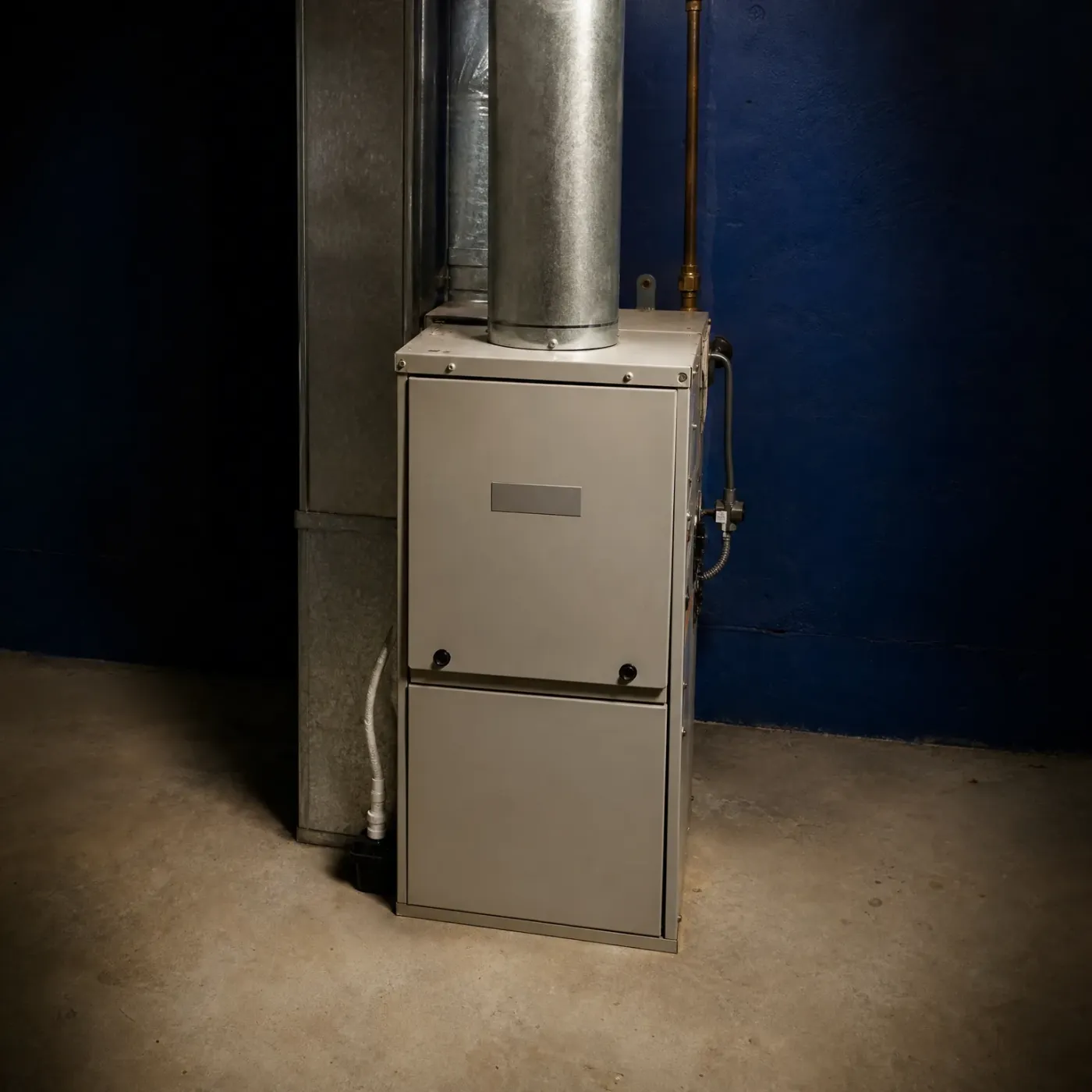
Winters here are mild, and that is the whole reason a heat pump works on cost. The average overnight low from December through February is 34°F. A heat pump moves heat instead of burning fuel, and it does that job well right down into the mid-30s. Most of this county's winter nights sit in the range where a heat pump runs efficiently, so the $1.79 per 100,000 Btu figure holds up on an ordinary night, not just on paper.
About 70 nights a year here drop to freezing or below, under half of the roughly 150 nights in heating season. On those colder nights a standard heat pump's output starts falling short of its rating below 40°F, and below about 35°F it often leans on backup heat to make up the difference. Both marks sit above our 34°F average low, and every one of those 70 freezing nights is colder than both. That is where the furnace's $1.88 figure and the heat pump's $1.79 figure stop being the full story: the furnace holds that number all winter, and the heat pump holds it on the nights above freezing and needs backup help on the roughly 70 that are not.
Fewer than one night a year here reaches 0°F. That matters because it is the deep cold, not the mild cold, that gives older heat pumps trouble. A two winter field test of prototype cold climate heat pumps in occupied homes found backup heat covered only a small share of the load between 0°F and 35°F, and the units rarely ran on backup alone above 0°F. Lafayette County almost never sees 0°F at all, so the hardest conditions those machines were tested against barely happen here.