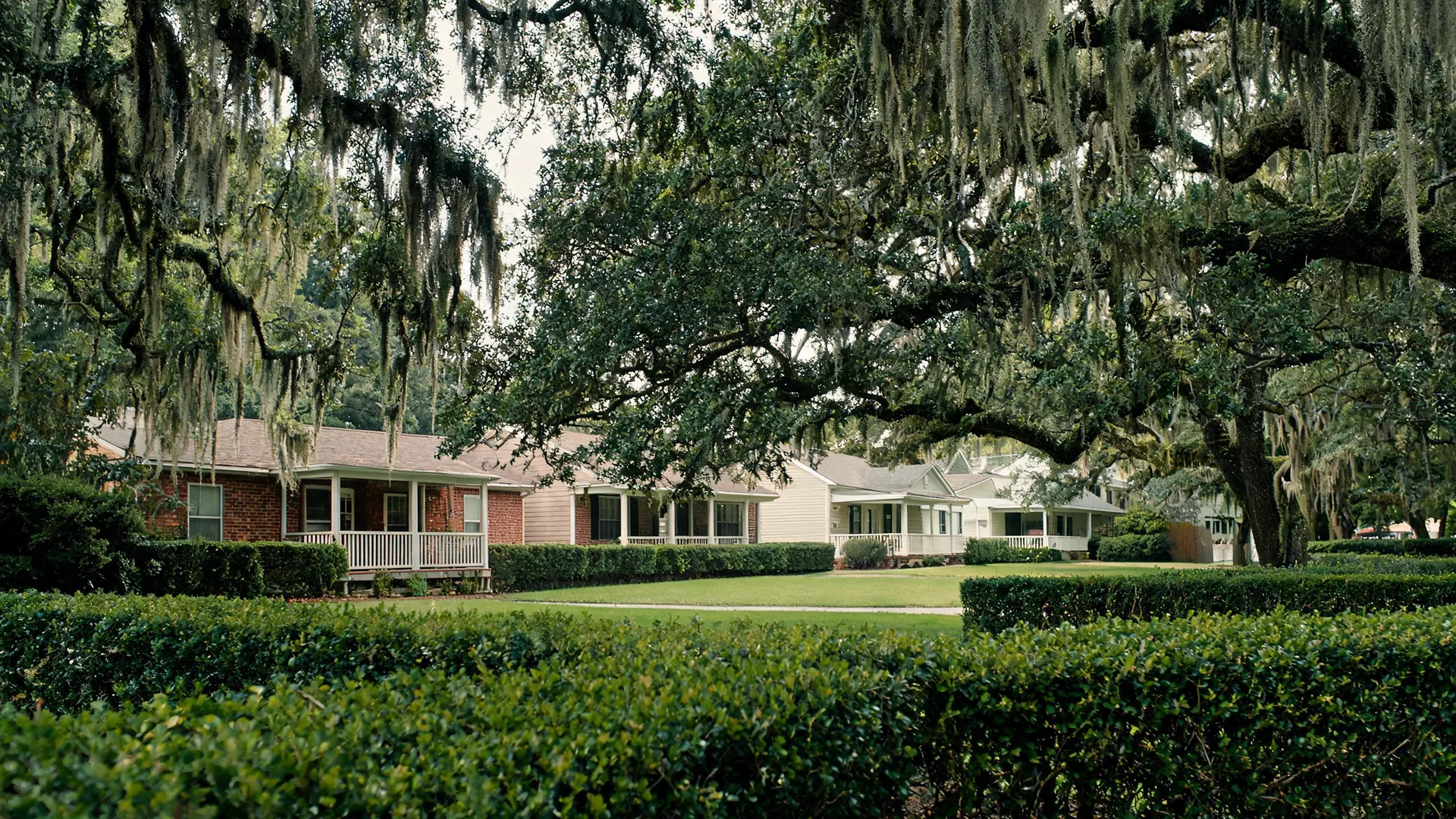




A row of single-story houses with porches behind a manicured lawn and trimmed hedges, framed by large oak trees draped with Spanish moss.

Furnace Repair in Oxford, MS

Tell us about the job

Takes about a minute. No obligation.

RepairFurnace or heatingLafayette County, MS
Step 1 of 2

What ZIP code is the job in?

Your furnace only has to work about five months a year here, November through March. Overnight lows average 34°F in December and January, which is cold enough to run the system but not cold enough to run it hard. That kind of winter doesn't wear out a furnace fast. So if something's gone wrong, age or a neglected filter is usually the reason, not years of strain. A furnace with a bad igniter or a failing limit switch is still worth repairing here, not replacing, unless it's genuinely old. Ice storms do pass through this area from time to time, and that's exactly when you don't want to find out a repair got put off.

5 months
November through March, your furnace is on duty
34°F
the average winter night it heats against
8 winter storms
in ten years, the nights a failure hurts most
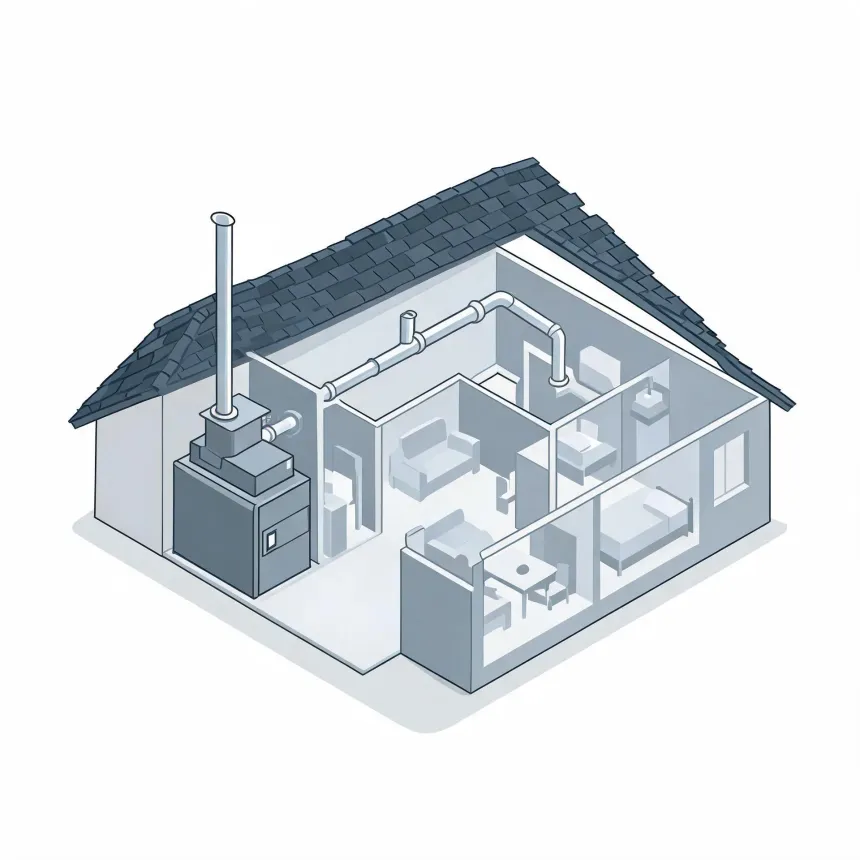
Isometric cutaway illustration of a single-story house showing interior rooms with furniture, ceiling ductwork, and a large furnace unit with a tall flue pipe in a corner room.
Your furnace works hardest from November through March.

NOAA nClimDiv, 1991–2020 normals

Half the houses in Lafayette County were built in 2000 or later.

A furnace that came with a newer house still has years in it, so a broken igniter or switch is worth fixing.

An easier winter means most furnace trouble here is worth fixing, not replacing

Heat runs November through March
Winter nights average 34°F
8 winter storms from 2015 to 2024

October is worth paying attention to. That's the month before homes here start running heat in November, and it's when a furnace that sat quiet since March gets asked to work again. A weak igniter or a cracked heat exchanger often doesn't show itself until that first real call for heat. If yours ran rough last March, or you never got around to swapping the filter, this is the month it catches up with you. Getting it looked at in October means you're not finding out about it during the first cold snap.

Likely a straightforward repair, not a reason to replace it

A furnace that's been running fine for years doesn't suddenly turn into a bigger job because of where it sits. Most repairs here are the same ones a tech would find anywhere, an igniter, a switch, a dirty filter, and most are worth fixing rather than replacing. Electricity here runs $39.26 per million Btu, so there's no local cost working against a repair either. Get it checked and go from there.

Find a contractor
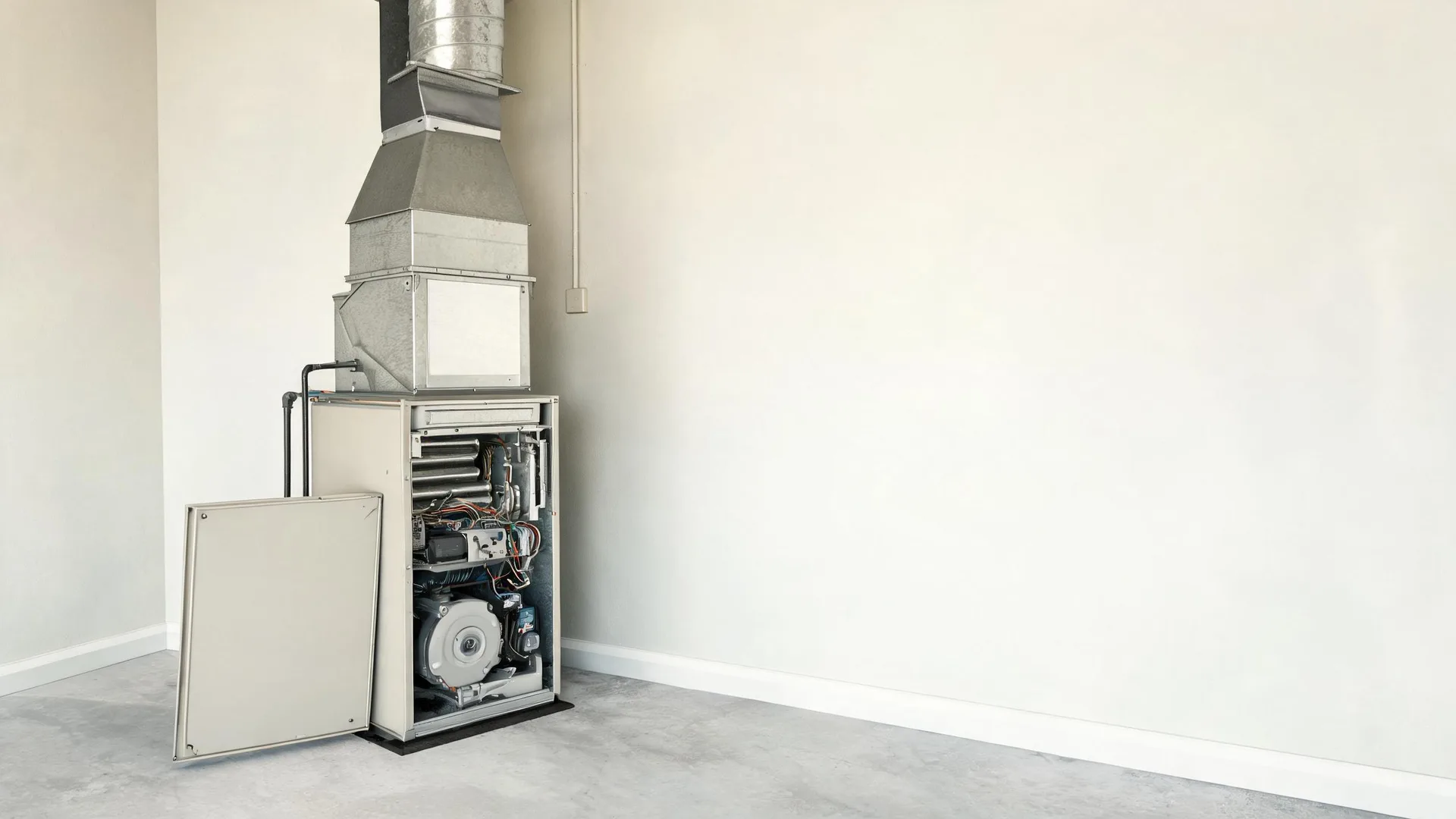
A gray high-efficiency gas furnace installed in an unfinished basement, surrounded by gas lines, a condensate drain, and sheet-metal ductwork.

A newer furnace has the time left to make repair worth it

If your furnace came with a newer house, ask whoever you call out how old the unit actually is before you let anyone talk replacement. A furnace that's only a few years into its working life doesn't need to go because of an igniter or a switch. That's a part swap, not a reason to start over.

What you'll actually notice first

The furnace runs longer to reach the same temperature, or it cycles on and off more than it used to. The air coming out of the vents feels cooler than it should. Sometimes it won't fire at all, just clicks and gives up. A burning smell on startup is normal for a few minutes once a year, but a burning smell that lingers or shows up mid-season is not.
What those signs are telling you

A furnace that short-cycles is often shutting itself off on purpose, usually a dirty filter choking airflow or a cracked heat exchanger tripping a safety switch. One that won't ignite is pointing at the igniter itself or the flame sensor reading dirty. Weak heat from the vents can mean a failing blower motor or ductwork that's come loose somewhere you can't see. None of these mean the furnace is done, they mean a specific part needs attention.

Most furnace failures come down to a handful of parts, and they fail for ordinary reasons. The igniter takes direct heat every time it fires, thousands of cycles over its life. Eventually it cracks or stops glowing hot enough to light the gas. The flame sensor sits in the burner flame itself and builds up a layer of oxidation over time, so it stops sensing the flame even though the flame is there. A flame sensor can be cleaned. An igniter can't, it just gets replaced. A dirty filter is the quiet one. It chokes airflow, the furnace overheats, and a limit switch shuts it down to protect the heat exchanger. That's the switch doing its job, not failing on its own. Blower motors wear out the way any motor with moving parts wears out, bearings going first. None of this is about how hard a furnace works in a given winter. It's about hours run, and whether the filter got changed often enough to keep the rest of it from working harder than it should have.

Repair versus replacement comes down to one question. Is this part worn out, or is the furnace itself worn out. An igniter, a flame sensor, a limit switch, a blower motor, those are wear parts. They fail on their own, and swapping one doesn't touch anything else in the unit. A cracked heat exchanger is different. That's the core of the furnace, not a part bolted onto it, so nobody replaces just that piece. If a tech finds a cracked heat exchanger, that furnace is actually done. If they're telling you about anything else, you're paying for a part, not a new unit. Age gets blamed for a lot it didn't cause. An old furnace with a cracked exchanger is done. An old furnace that just needs an igniter still has plenty of life in it, because only one piece failed, not the whole machine.