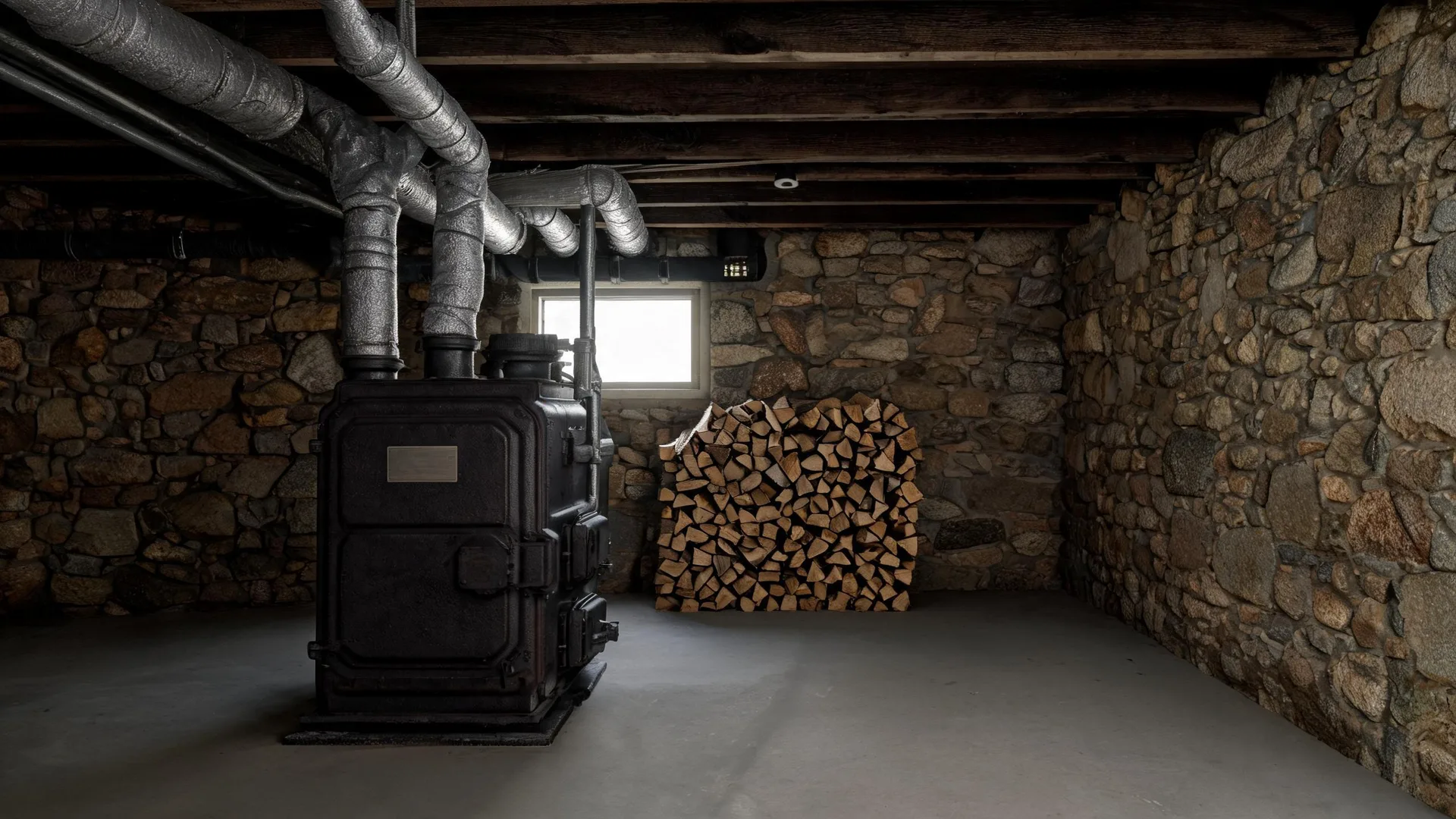
An unfinished basement containing a metal furnace with ductwork, exposed wooden joists on the ceiling, cardboard boxes, a coiled cable, and a single hanging incandescent bulb.

Furnace Installation in Oxford, MS

Tell us about the job

Takes about a minute. No obligation.

New system or replacementFurnace or heatingLafayette County, MS
Step 1 of 2

What ZIP code is the job in?

Storms come through often here

Lafayette County recorded 79 severe weather events between 2015 and 2024, with damaging wind the most common. Outdoor equipment here takes more hits than in a calmer county, so where the condenser sits and what guards it matters.

Power doesn't always come right back

Nearly a third of Mississippi households went at least 24 hours without power in 2024. A gas furnace still needs electricity to run the blower and controls, so an outage that long means no heat until the power is back.

5 months
November through March, your furnace is on duty
34°F
the average winter night it heats against
80% AFUE
the federal minimum any new unit must meet
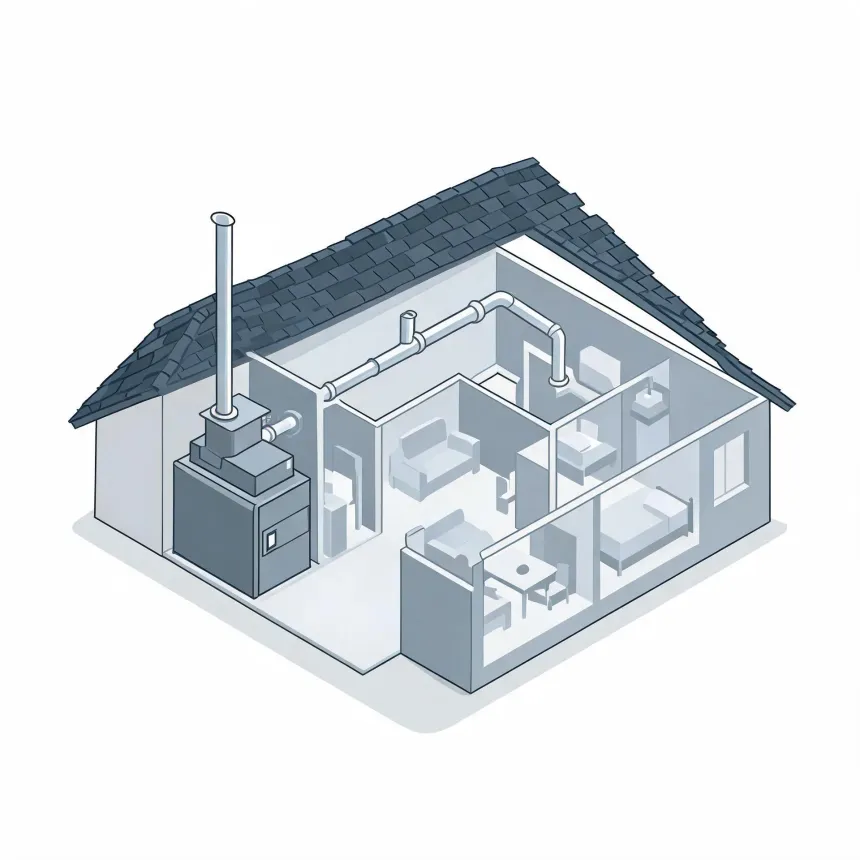
Isometric cutaway illustration of a single-story house showing interior rooms with furniture, ceiling ductwork, and a large furnace unit with a tall flue pipe in a corner room.
Your furnace works hardest from November through March.

NOAA nClimDiv, 1991–2020 normals

Most homes in Lafayette County heat with electricity, not gas.

A furnace replacement here usually means swapping an electric system for another electric one, which keeps the install straightforward.

Five months of work a year, not a hard five months

Heat runs November through March
Winter nights average 34°F
8 winter storms from 2015 to 2024
A furnace sized for Oxford, nothing moreElectricity here runs $39.26 per million Btu, and a standard system is built to use it well

Furnace installations go faster when the old system isn't limping and the weather isn't working against the crew. Heat starts running in November here, so October is the month to get this done. That gives the contractor a full day to size the unit right and test it under no pressure, instead of rushing a swap during the first cold snap. It also means if a part is on backorder or the install turns up something in the ductwork that needs attention, there's room to handle it before you actually need the heat.

Pick reliable, not top of the line

It won't be worked hard here, so pick a reliable system that fits. You don't need the top efficiency model.

Find a contractor
A gas furnace with attached ductwork, gas piping, and condensate lines installed in a concrete-block basement.

The right questions aren't about price

Ask what each system is rated to do, not just what it costs installed. A furnace with a higher price tag doesn't always run better once it's in the house. Ask about the heat exchanger material, since that's the part that determines how long the unit lasts before it cracks or corrodes through. Ask whether the blower motor runs at a single speed or steps down on its own, because a blower that adjusts keeps the air moving steadier instead of blasting on and shutting off. Ask what the warranty covers, parts alone or parts and labor, because a long parts warranty means little if the labor to use it isn't included. Ask how the contractor sized the unit for this house, not the last one they worked on. A furnace too big for the space will cycle hard and wear out its own igniter and blower early. One sized right runs longer stretches at a lower output and holds the temperature steadier. None of that shows up on a spec sheet, so it has to come from asking.

The ductwork decides more than the furnace does

If the existing ducts are sized right and sealed at the joints, a new furnace connects to them and the job stays simple. If a duct run is undersized or leaking, the installer has to fix that first. A new furnace won't heat evenly through old, leaky ductwork no matter how good it is. That work isn't optional and it isn't padding. It's what makes the furnace actually do its job.

Where the furnace sits changes the labor

A straight swap in the same spot, using the same vent path and the same fuel connection, is the fastest kind of install. Moving the furnace to a new location adds steps. So does rerouting the venting or switching the fuel type it runs on. New wiring, new vent runs, sometimes a modified return. None of that is about the furnace itself. It's about what has to change around it to put the new one in.

A furnace that's too big for the house will short cycle. It heats the air fast, shuts off before it pulls moisture out or warms the walls and furniture, then kicks back on a few minutes later. That cycling wears the igniter and the blower motor harder than steady running does, and the house ends up with warm air but a cold, clammy feel to it. Too small, and it runs constantly trying to keep up, never quite reaching the thermostat setting on the coldest nights. Getting the size right means a contractor works out the heat loss for the house itself, how much warmth escapes through the walls, windows and roof, not just the floor plan. Floor plan alone leaves out insulation, window count and ceiling height, so similar houses can call for different furnaces entirely.

Install day starts with the old furnace coming out. That's when the installer gets a real look at the vent connection, the gas or electrical hookup, and the plenum sitting on top of the ductwork. The new unit goes in, gets leveled, and gets tied into the existing ducts, the gas line or circuit, and the vent. Every joint gets sealed so nothing leaks air or exhaust. Then it gets started up and run. Gas pressure gets checked if it's gas. Temperature rise gets measured across the heat exchanger. Blower speed gets matched to the ductwork. A furnace should run through a few full heating cycles before the installer calls the job done, not just fire once and get left.