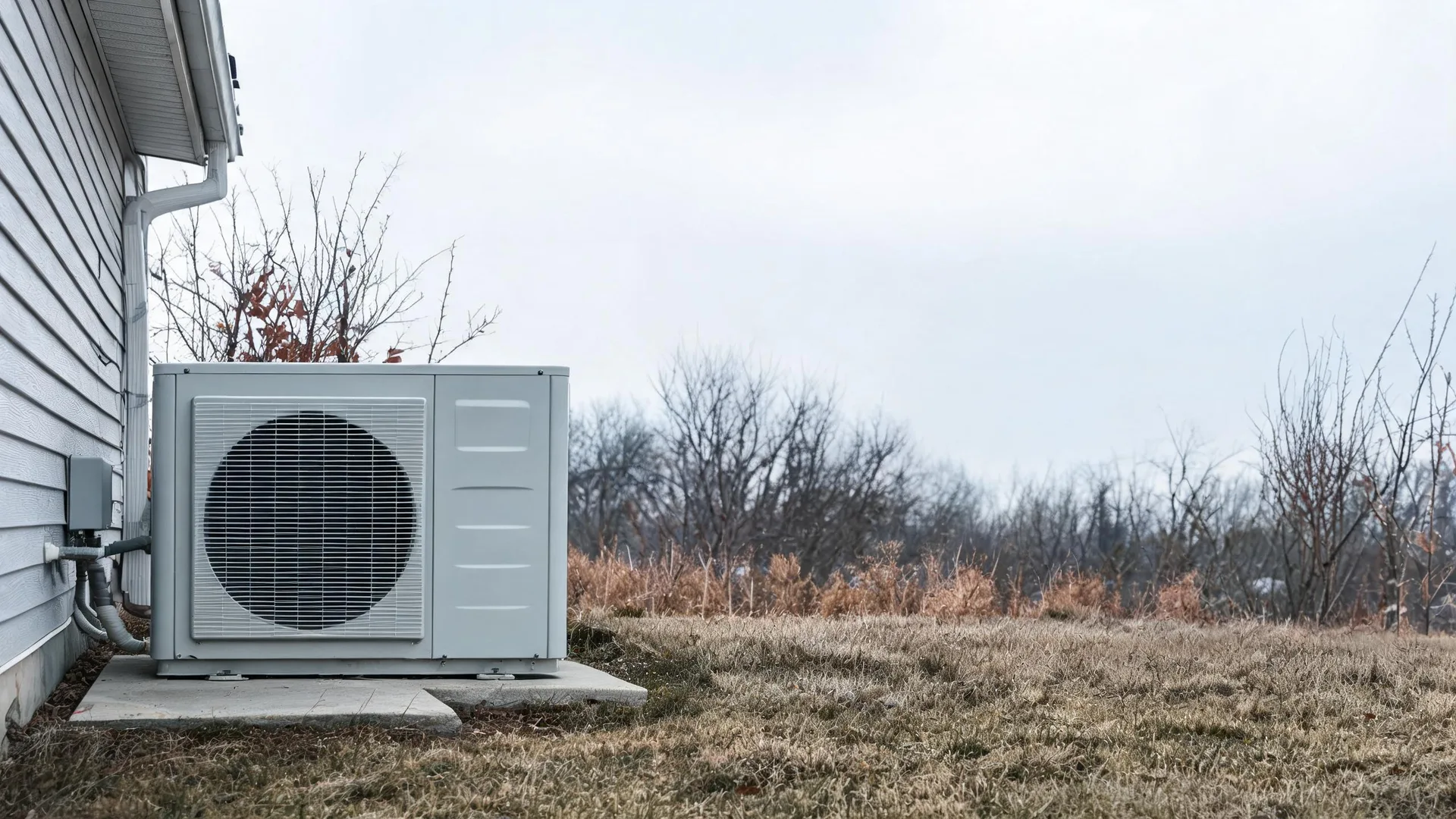
Half the homes here were built in 1970 or earlier
Coahoma County's housing stock is old. A heat pump that came with one of those houses, or a replacement unit that's had a long run since, is a different question than one installed last year.

Takes about a minute. No obligation.
Coahoma County's housing stock is old. A heat pump that came with one of those houses, or a replacement unit that's had a long run since, is a different question than one installed last year.
If your heat pump is old enough to have come with an older home, a repair call isn't just a repair call. It's a point where you find out how much life the unit has left before you spend money fixing it.
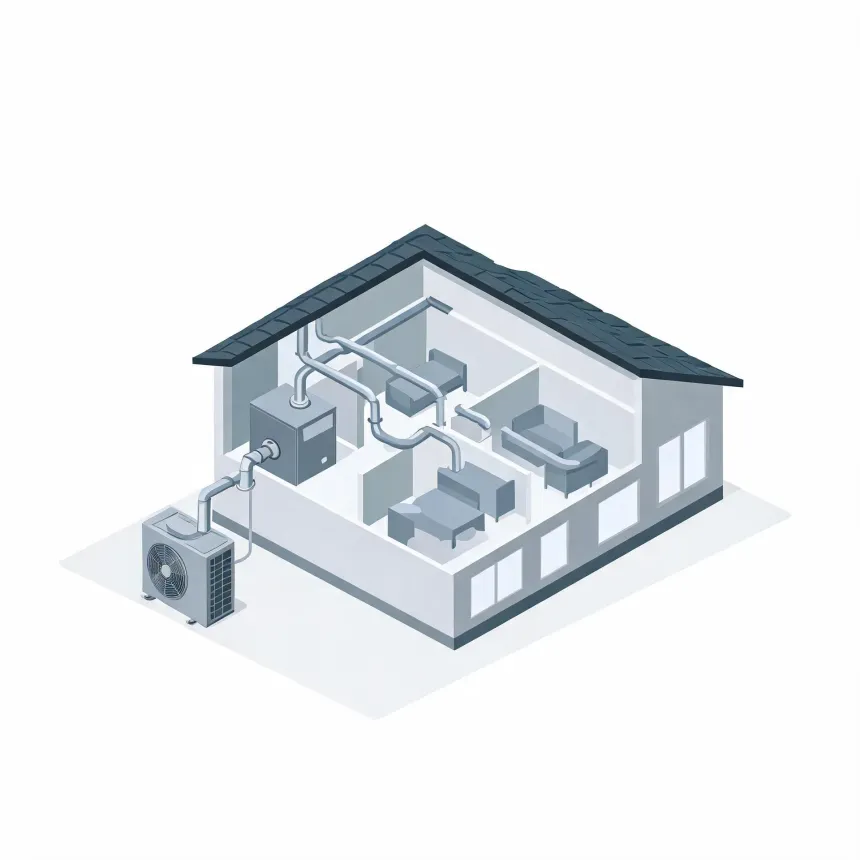
NOAA nClimDiv, 1991–2020 normals



Ask the contractor straight out how much life is left in the unit before you agree to a repair. A tech who's inside the cabinet can look at the coil, the compressor, and the wiring and tell you if this is worth fixing or if it's near the end of its run. That answer matters before any work starts. If your heat pump is old enough to have come with the house, get the life expectancy question answered first.
If your system came with an older house, it may be near the end of its life. Ask how much life it has left before paying for a big repair.
Find a contractorA heat pump that runs this much tends to show trouble before it quits outright. Short cycling is one sign, the unit kicks on, runs a few minutes, and shuts off before the room feels any different. That pattern puts a lot of wear on the compressor every time it repeats. Ice on the outdoor coil in weather that isn't cold enough to explain it is another, especially if it's still there by evening instead of melting off during the day. Pay attention to the reversing valve too. A heat pump that hesitates or clunks when switching between heat and cool, or won't switch at all, usually has a valve starting to stick. Air that comes out warm but not warm enough during a cold stretch often means the system is running while losing ground, maybe low on refrigerant or working against a weak compressor. A unit that keeps running while it short cycles or ices over is wearing down parts that don't fail gently when they finally go.
A compressor running low on refrigerant starts pulling in gas that should be liquid. That gas doesn't cool the motor windings the way it's supposed to. Keep the system running like that and the compressor itself takes the damage, not just the comfort in the room.
A coil icing over blocks airflow. That makes the system run longer to do the same job, and the extra runtime puts more frost on the coil. Short cycling wears the same way. Every restart is a hard pull on the compressor, and a unit already struggling takes that pull worse each time it repeats.
Before you call, check the thermostat batteries and the setting itself. A unit stuck on the wrong mode or a dead thermostat display can look like a real failure when it isn't one. Go outside and look at the unit. Leaves, grass clippings or a fence line too close to the cabinet can block airflow enough to cause the same symptoms as a failing part. Check the air filter. A filter clogged with dust restricts airflow the same way a frozen coil does, and it's the one thing in this whole system you can fix yourself in a few minutes. Look at the outdoor unit for ice, and check the circuit breaker if the system isn't responding at all. None of this tells you what's wrong inside the compressor or the reversing valve, but it rules out the simple causes before you pay someone to find the complicated one.
Repair or replace comes down to what's failing, not just that something is. A capacitor, a contactor, a fan motor, these are parts a tech replaces and the system goes back to normal. The compressor is different. It's the one part that's expensive enough and central enough that fixing it starts to compete with the cost of a new unit, and a compressor failing from refrigerant loss or years of short cycling rarely fails alone. If the problem is a part, fix the part. If a tech tells you the compressor itself is going, ask what else in the system is old enough to fail next. Paying to replace a compressor in a unit that's already worn elsewhere can mean paying again soon after for the next part in line.