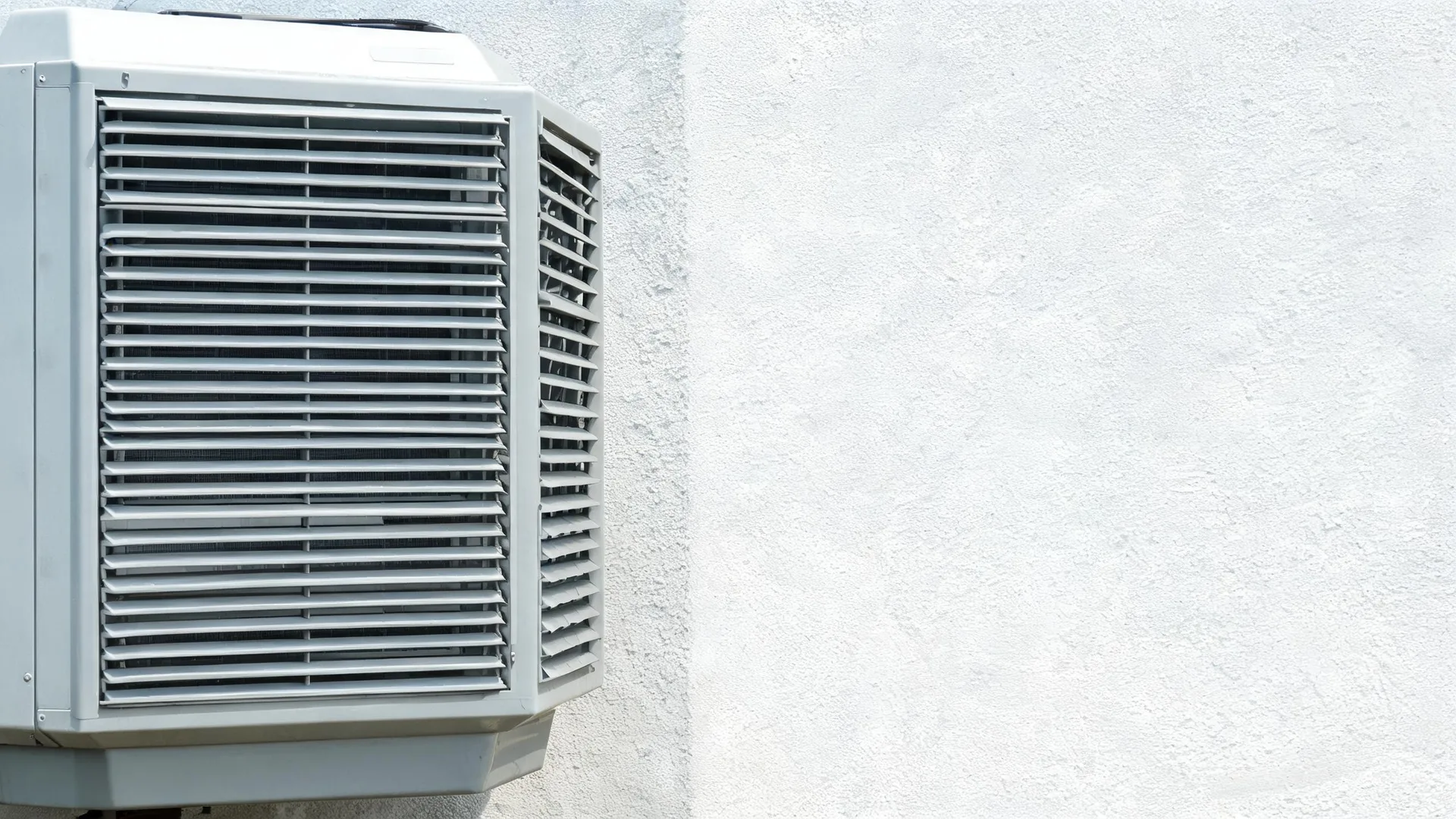
A grey outdoor HVAC unit mounted on a concrete pad beside the beige-sided exterior wall of a suburban house.

Heat Pump Repair in Lucedale, MS

Tell us about the job

Takes about a minute. No obligation.

RepairHeat PumpGeorge County, MS
Step 1 of 2

What ZIP code is the job in?

The tech checks the whole system, not just the symptom

A heat pump that is not heating or cooling right gets checked at the outdoor unit and the indoor air handler both. The tech reads the refrigerant pressures, checks the reversing valve that switches the system between heating and cooling, and looks at the defrost board and sensors. A problem in one spot often shows up as a symptom somewhere else, so the diagnosis covers the whole loop before anyone points to a cause.

The diagnosis tells you what you're dealing with

Once the tech finds the cause, a failing compressor, a stuck reversing valve, or a low refrigerant charge from a slow leak, each one means something different for what happens next. A refrigerant leak has to be found and sealed before the system gets recharged. A reversing valve that will not switch can leave the system blowing cold air when it should be heating. Naming the actual part that failed is what turns a guess into a plan.

5 months
November through March, your system heats
6 months
May through October, it cools
40°F
the average winter night it heats against
91°F
the average summer afternoon it cools against
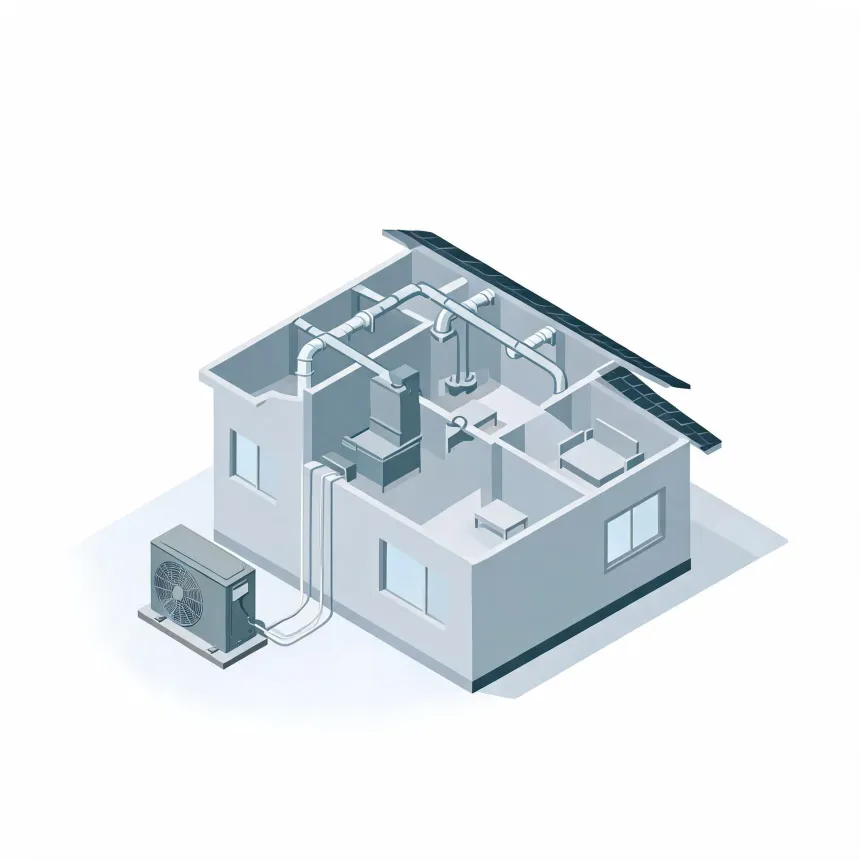
Isometric cutaway illustration of a single-story house showing interior ductwork, an air handler and rooms, with an outdoor condenser unit connected by refrigerant lines on a plain white background.
Your system heats November through March and cools May through October.

NOAA nClimDiv, 1991–2020 normals

A heat pump in Lucedale switches to heating in November.

The first cold snap puts a full load on parts that sat idle since March, which is when a weak one gives out.

George County sees its share of storms, but what brings a heat pump down here is the same wear that gets them anywhere

55 severe weather events from 2015 to 2024
30% of homes statewide lost power a day or more in 2024
30 damaging wind events from 2015 to 2024

Half the homes in George County were built in 1989 or later, which makes a lot of the housing stock here younger than what you'll find in most places nearby. If your house falls on that side of the line, there's a decent chance the heat pump came with it or replaced an older one on a normal cycle, not one pushed years past when it should have been swapped out. That matters for a repair call. A system with life left in it is worth fixing when a part fails, and a failing compressor or reversing valve doesn't mean the whole unit is done. Check what came with your house if you know, since that tells you more than the year the house was built ever will.

Get it looked at early

Problems tend to show up in the first weeks of the season, when the load hits a part that was already weak.

Find a contractor
A man in a cap, dark jacket and tan work pants climbs porch steps toward a blue front door, carrying a canvas tool bag in his right hand, with a potted shrub beside the entry.
A white mini-split heat pump outdoor unit mounted on a concrete pad beside a gray-sided house, surrounded by gravel and green shrubs.

What to check before you call

Before anyone comes out, there's a few things worth looking at yourself. Check the thermostat is set to heat and the temperature is actually above room temperature, since a setting bumped by accident looks exactly like a broken system. Go outside and look at the unit. If it's covered in ice beyond a thin frost, that's worth noting but not touching. Heat pumps defrost themselves on a cycle, and a unit that stays iced over is telling you something is wrong with that cycle, not something you need to chip away. Check that nothing is blocking the outdoor unit, no leaves, no siding or deck built up against it, no cover left on from last season. Inside, pull the air filter and hold it up to a light. If you can't see light through it, swap it or clean it, since a clogged filter chokes airflow and makes the whole system work against itself. Check the circuit breaker hasn't tripped. None of this fixes a bad compressor or a stuck reversing valve, but it rules out the simple stuff before someone drives out to look at the hard stuff.

A low charge gets worse while it runs

A heat pump low on refrigerant from a slow leak keeps running anyway, and every hour it runs the compressor is pushing harder to move heat with less refrigerant than it needs. That strain is what takes out a compressor that otherwise had years left in it. What starts as a repair you catch early turns into a full system replacement if it runs too long low.

Ice that does not clear points to a cycle that is already failing

A heat pump covered in ice beyond a thin frost is supposed to be running a defrost cycle to clear that. If the cycle is not working, the ice keeps building instead of melting off, and ice on the coil blocks the airflow the system needs to pull heat from outside air. Left alone, that ice buildup can restrict the system enough to stress the compressor too.

A heat pump runs in both directions, which means it wears differently than a furnace or an AC that each get a season off. The compressor is the part most likely to end a system's life, and it usually gets there through something smaller going wrong first. A refrigerant leak, a failing capacitor, or a dirty outdoor coil all make the compressor work harder than it should, and a compressor that strains long enough eventually seizes. The reversing valve fails for a different reason. It only shifts position when the system switches between heating and cooling, and a valve that sits unused can stick the next time it is asked to move. Sensors and defrost boards tend to fail with age, the same as any electrical part that cycles on and off over and over. None of these show up as one obvious sign. A system low on charge and a stuck reversing valve can both leave a house blowing air that is not warm enough, which is why the cause has to be checked rather than guessed.

Age and cost are only part of how to think about a repair. The other part is what actually failed. A capacitor or a contactor is a small, cheap part to replace, and swapping it does not tell you anything bad about the rest of the system. A compressor is different. It sits inside a sealed system, and replacing one on an older unit often costs close to what a new system runs, since the labor to open that system is most of the job either way. So the part matters as much as the age. A tech who finds a bad capacitor and tells you to replace the whole unit is not reading the situation right, and the reverse is true too. Ask what failed before you ask what it costs to fix, since that answer points you toward the right decision faster than the age of the unit does.