Most homes here run on gas
Utility gas heats 54.4% of homes in Washington County, with electricity a distant second at 39.6%. A heat pump installed here is usually going in alongside or in place of a gas furnace, not another heat pump.
Takes about a minute. No obligation.
Utility gas heats 54.4% of homes in Washington County, with electricity a distant second at 39.6%. A heat pump installed here is usually going in alongside or in place of a gas furnace, not another heat pump.
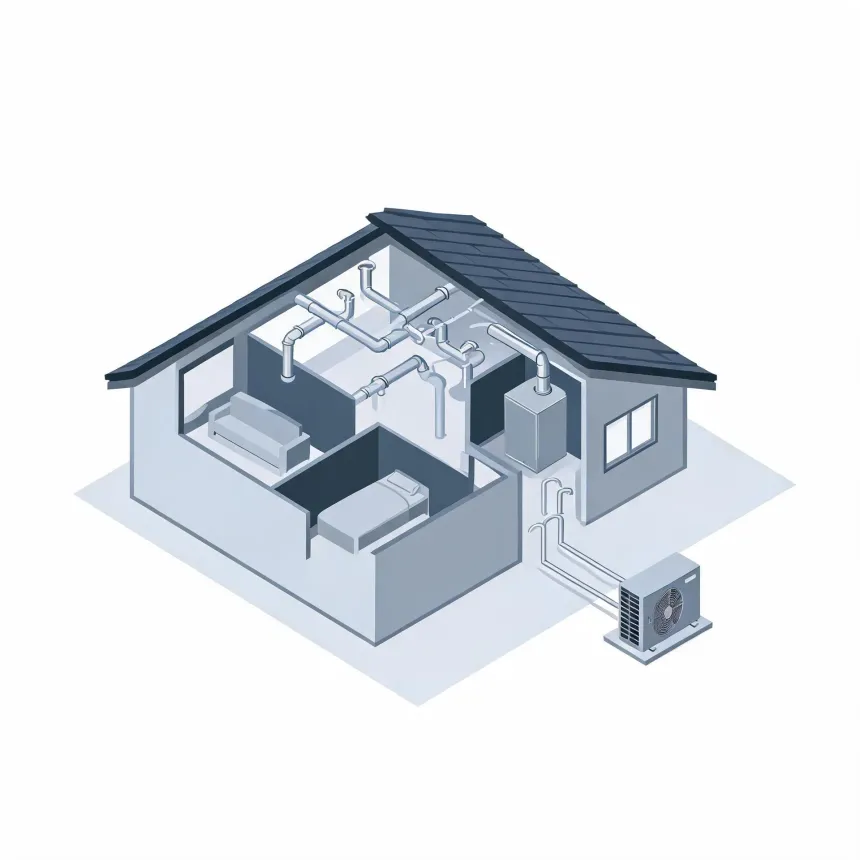
A contractor sizing a heat pump for a gas-heated home has to look at the ductwork and the electrical panel, not just swap the unit outside. If the home loses power during a storm, a heat pump with no backup heat source stops heating until the power is back.
NOAA nClimDiv, 1991–2020 normals
Mississippi power runs 13.39 cents a kilowatt-hour, below the national average.
A high-efficiency heat pump still costs more up front, and it takes longer to earn that back here than in a state with pricier power.



April is a good time to get a heat pump installed here, right before cooling starts in May. Homes in Washington County run heat from November through March, so a system going in during spring has months of mild weather before it has to carry a cold snap. That gives a contractor time to fix anything that needs attention, from a stuck damper to a thermostat wired wrong, without the household going without heat or air while it gets sorted. Wait until October and the same install happens right before heat starts in November, with less room for error.
Washington County falls under zone 3A, and new split-system heat pumps have to meet 14.3 SEER2 for cooling and 7.5 HSPF2 for heating. A federal tax credit is available toward the cost of a qualifying system.
Find a contractor
Half the homes in Washington County were built in 1973 or earlier. A contractor sizing a heat pump has to look at the ductwork already in the house, not just the house plan it was built from. Ducts sized for a gas furnace sometimes need adjusting to carry the lower-temperature air a heat pump puts out. Ask what the contractor found when they looked at your ducts, not just what size unit they quoted.
When a heat pump replaces a gas furnace, the furnace gets disconnected from the gas line and removed, not left in place as backup. The gas line itself gets capped off by whoever handles that part of the job. Leaving an old furnace sitting unused in the house serves no purpose once the heat pump is carrying the load.
A central air conditioner being replaced has refrigerant in its lines, and that refrigerant has to be recovered before the unit can be disconnected and taken away. That is a separate step from simply unbolting the old unit and setting the new one down. It is also why this kind of swap is not a same-day job in the way some equipment changes are.
When you're comparing quotes, ask what size unit each contractor is proposing and how they got that number. Sizing should come from a load calculation that looks at the square footage, insulation, windows and duct layout, not a guess based on the old equipment. A unit too big cycles on and off fast and never runs long enough to dehumidify the air. One too small runs constantly and still can't keep up on the coldest or hottest days. Ask what the warranty covers on both the compressor and the labor, since those are often sold separately and expire on different schedules. Also ask who handles the permit and the inspection, because that's part of what you're paying for, not an extra step the contractor can skip.
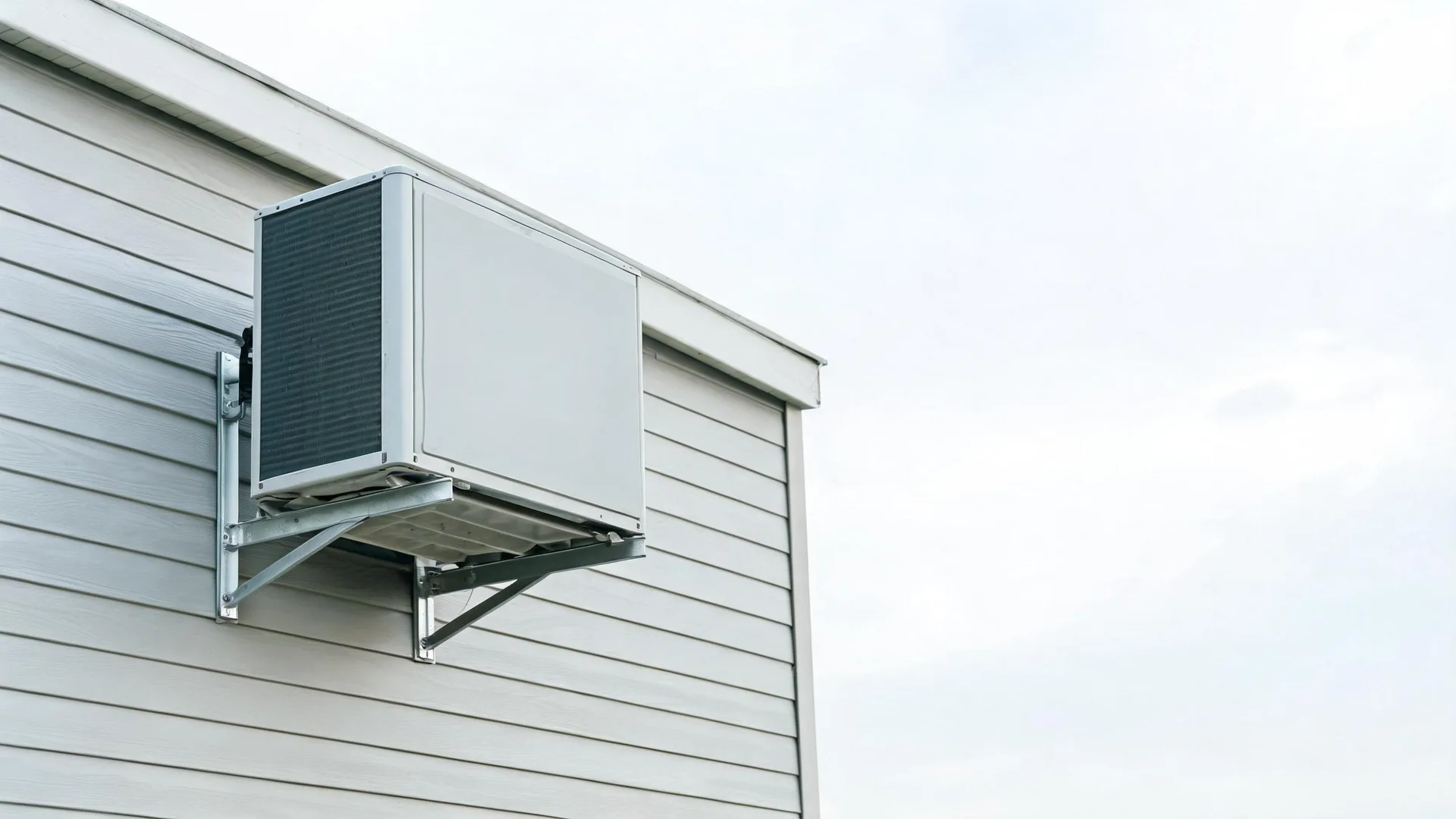
Installation day starts with the old equipment coming out, not the new one going in. A contractor disconnects the furnace or air handler, caps or clears the refrigerant lines, and clears the space before anything new gets set. The outdoor unit goes on a pad or mounting bracket, the indoor coil ties into the existing ductwork, and the refrigerant lines run between them and get pressure tested before they're charged. Electrical work usually means a new circuit or breaker sized for the heat pump, since it draws differently than a gas furnace did. Once everything's connected, the system gets charged with refrigerant, run through its paces, and checked against the manufacturer's specs for airflow and temperature split. The thermostat gets set up last, after the contractor knows the system is actually moving air and holding a charge the way it should.