





An outdoor heat pump unit mounted on a concrete pad in front of a single-story suburban house with beige siding.

Heat Pump Installation in Laurel, MS

Tell us about the job

Takes about a minute. No obligation.

New system or replacementHeat PumpJones County, MS
Step 1 of 2

What ZIP code is the job in?

Jones County is zone 3A, the Southeast's warm, humid climate with summers that run long and winters that stay mild. Any split-system heat pump installed here now has to meet 14.3 SEER2 for cooling and 7.5 HSPF2 for heating, the federal minimum since January 2023. That's true no matter what size the old system was, so a straight swap for the same model isn't always an option. It narrows the field to equipment built to clear that bar. A contractor can walk through which models qualify, and whether the install also meets what's needed for the federal tax credit.

5 months
November through March, your system heats
6 months
May through October, it cools
39°F
the average winter night it heats against
91°F
the average summer afternoon it cools against
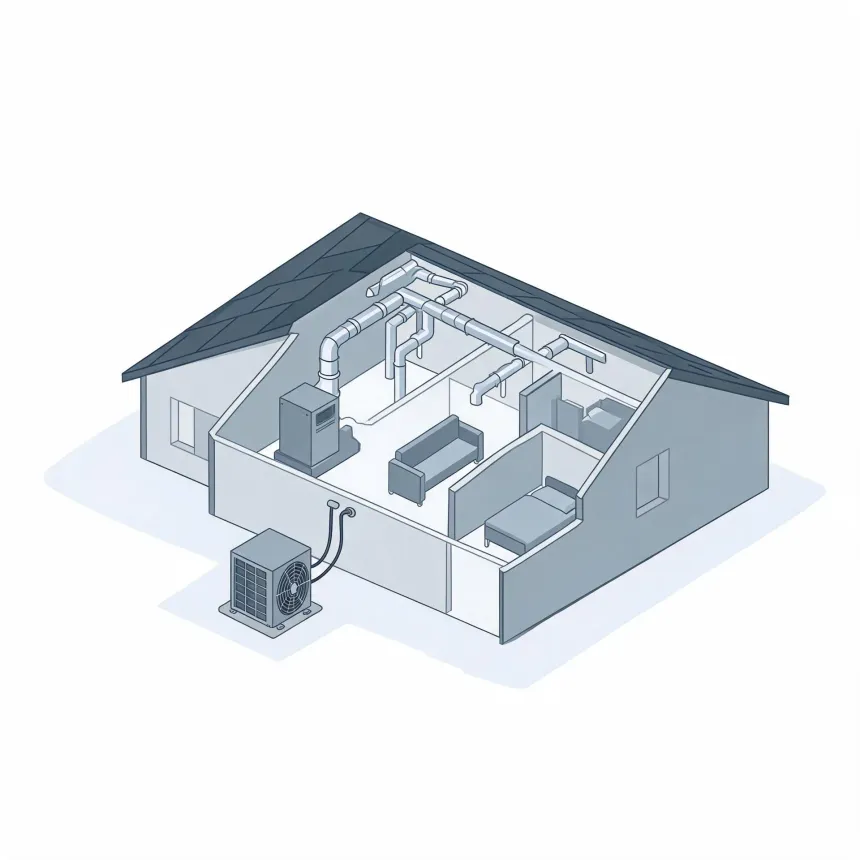
Isometric cutaway illustration of a single-story house showing interior rooms with furniture, an attic duct network connected to a furnace or air handler, and an outdoor condenser unit linked by lines outside the wall.
Your system heats November through March and cools May through October.

NOAA nClimDiv, 1991–2020 normals

Half the homes in Jones County were built in 1981 or earlier, half in 1981 or later.

A standard-sized heat pump works for either age of house, so there's no local reason to size up or pay more.

October is the month to have it done, before heat pump season starts in November

Cooling runs May through October
Heat runs November through March
160 damaging wind events from 2015 to 2024
Built for weather that doesn't let upJones County took a damaging wind hit 160 times between 2015 and 2024.

Electricity in Mississippi runs 13.39 cents per kilowatt-hour, cheaper than most of the country. That changes the math on which heat pump to buy. A higher-SEER2 model costs more up front, and with power this cheap, it takes longer to earn that back in lower bills. The bigger questions here are whether the unit holds up to storms and whether it's sized right for your house. A contractor can run the numbers both ways, efficiency against upfront cost, so you're not paying for a rating you won't get much use from.

Most homes here already run on electric heat, so a heat pump is the easy swap

64.2% of homes in Jones County heat with electricity already. Switching to a heat pump means working with wiring and ductwork already built for electric heat, not fighting against it. That makes this a straightforward replacement to plan out with a contractor, not a rebuild.

Find a contractor
A dark gray heat pump unit mounted on a concrete pad next to a house with gray siding and a stone veneer wall.

The old system comes out in full before anything new goes in

That old outdoor unit still has refrigerant in its lines, and that has to come out before anything gets disconnected for good, recovered into a tank rather than vented into the air. Old oil and debris sit in the lines and in the compressor itself after years of running, which is part of why a failing compressor is hard to reverse once it starts breaking down internally. The indoor coil comes out next, and whatever's been drawing moisture off it all those cooling seasons goes with it. None of it gets left to decide later. Every part of the old system gets disconnected, drained, and cleared out before the new equipment goes in its place.

The size has to match the house, not the budget

A contractor should run a load calculation on your house before quoting a price. Square footage alone doesn't tell you what size heat pump you need. Window count, ceiling height, and how the ductwork is laid out all change the number. A unit sized too big short-cycles and wears out early. One sized too small runs constantly and still can't keep up on the coldest days. The load calculation drives which equipment gets quoted, and that's where the price starts.
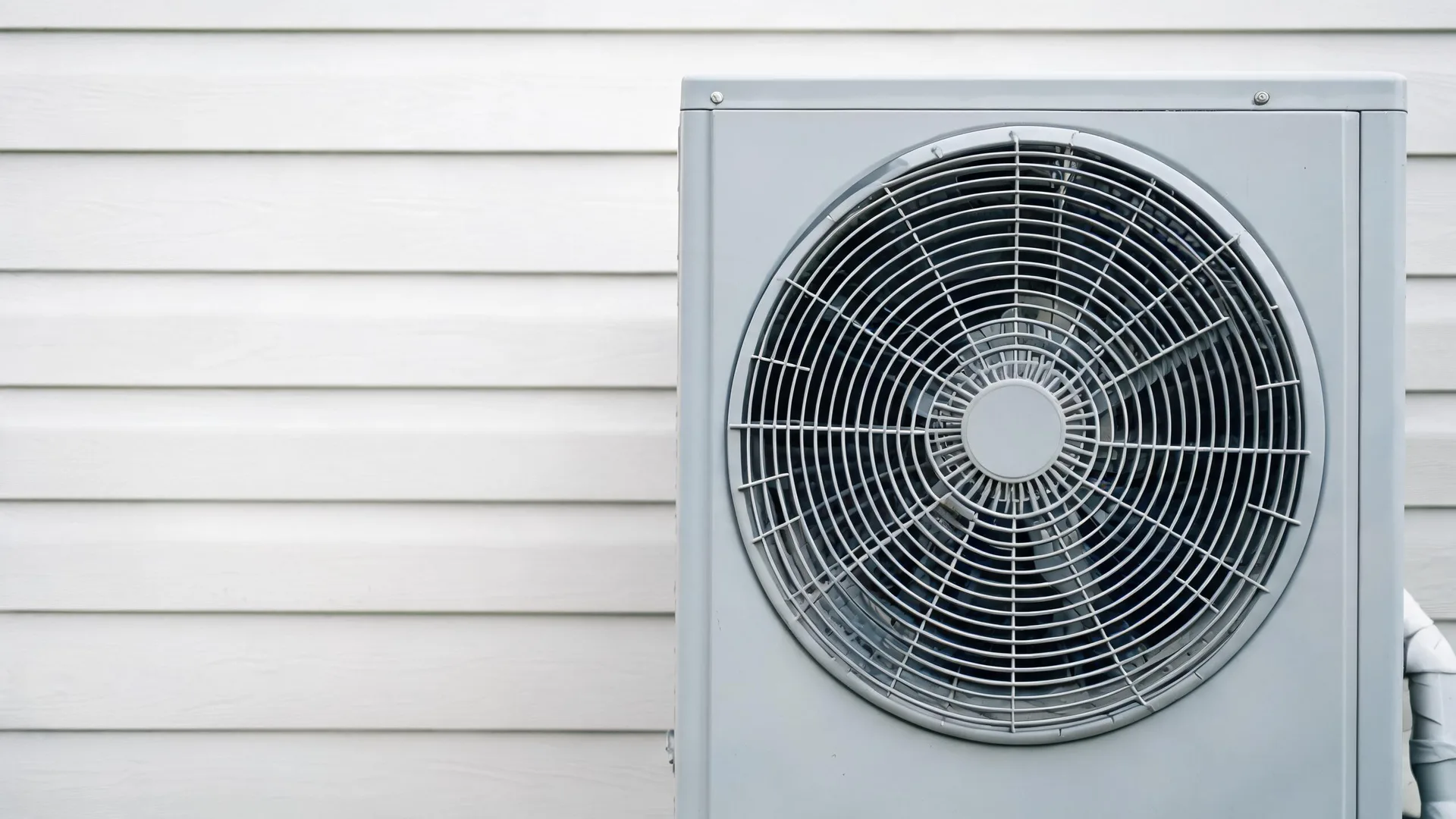
The ductwork decides how much of the quote is labor

If the existing ducts are sized right and sealed well, a crew can connect the new unit and move on. If the ducts are undersized, leaky, or routed poorly, that work has to happen first or the heat pump never performs the way it's rated to. Checking the ducts before the quote is written matters more than which brand ends up on the pad outside, because duct work is labor and time, and that's where an installation budget actually goes.

When quotes come in, look past the brand name and check what each contractor is actually proposing. Ask what refrigerant the system uses, since older refrigerants are being phased out and that affects parts availability down the road. Ask about the compressor type. A variable-speed compressor holds steady output and handles mild days without cycling on and off the way a single-stage unit does. Ask what the warranty covers on parts versus labor, and whether it's tied to the contractor doing the install or to the manufacturer. Ask how the outdoor unit handles defrost, since a heat pump has to reverse cycle to melt frost off the coil in cold weather, and some systems do it more efficiently than others. Quotes for the same size system can still describe very different equipment once you look past the price on the page.

Install day starts with the old equipment coming out, not the new one going in. The crew disconnects the outdoor unit, pulls the indoor coil, and recovers the refrigerant from the lines, since it can't legally be vented into the air. If the line set is being reused, it gets flushed or replaced, because old oil and debris left behind will contaminate a new compressor. The new outdoor unit gets set on a pad, leveled, and connected to the electrical disconnect, while the indoor coil and air handler go in wherever the old ones sat. Once everything's connected, the lines get pressure tested for leaks, pulled to a vacuum to remove moisture and air, then charged with refrigerant to the weight the manufacturer specs for that line length. The system gets started up and run through both modes, heating and cooling, and the technician checks the temperature split at the vents to confirm it's performing the way it should before calling the job done.