A single-story brick house with a white-columned wraparound porch and a neighboring light-colored siding house, seen across a lawn behind a trimmed hedge, under oak branches draped with Spanish moss.

Heat Pump Installation in Southaven, MS

Tell us about the job

Takes about a minute. No obligation.

New system or replacementHeat PumpDeSoto County, MS
Step 1 of 2

What ZIP code is the job in?

Wind and hail reach the outdoor unit

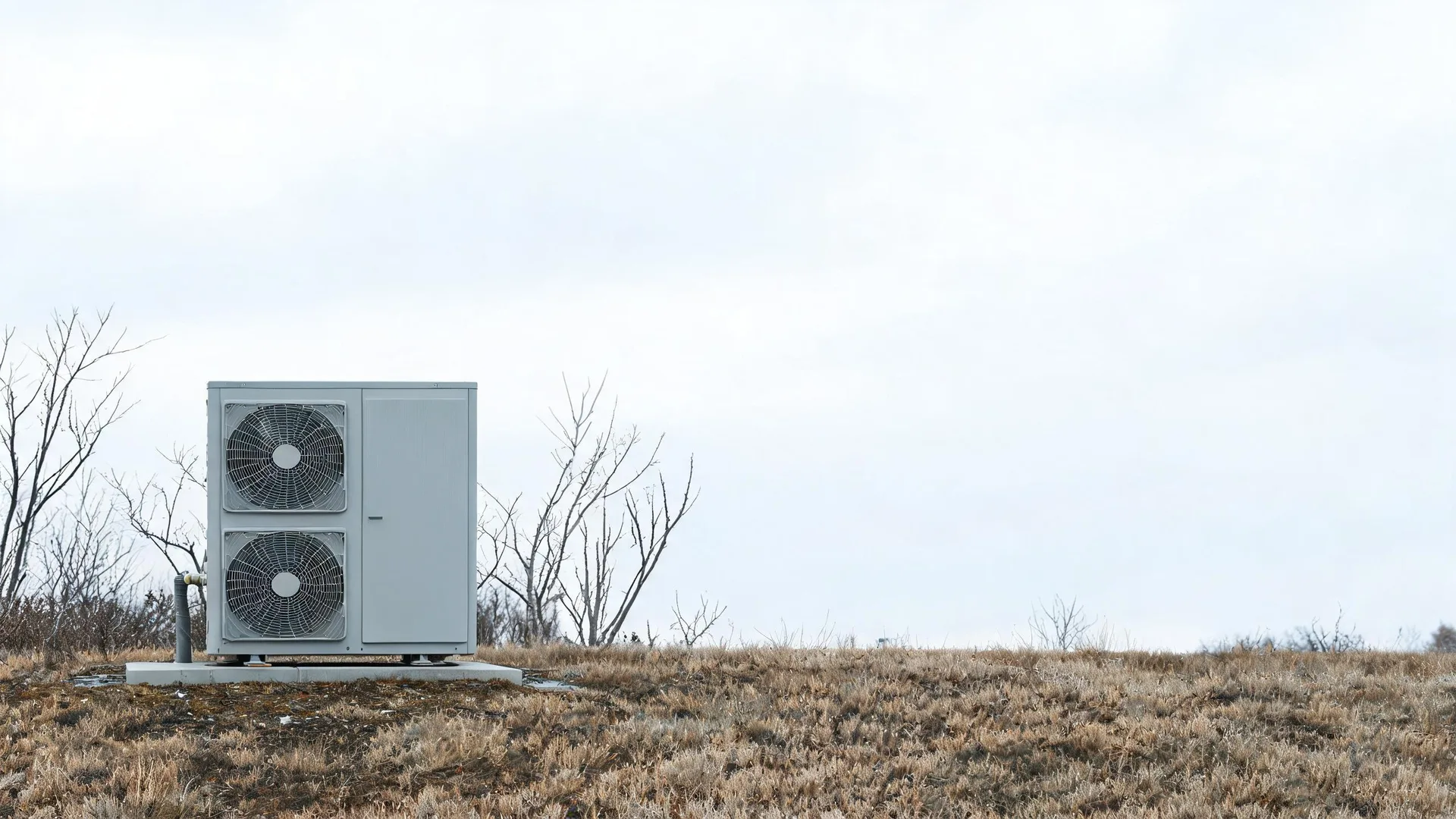
DeSoto County saw 50 damaging wind events and 30 hail events in the last ten years, plus a handful of tornadoes. A heat pump's outdoor unit sits outside year round, so where it goes and what shields it from flying debris is worth deciding at install, not after.


The outage question matters more with a heat pump

Close to a third of Mississippi households lost power for a day or more in 2024. A heat pump handles both heating and cooling, so when the power is out, you're without both at once. Worth asking your contractor what backup options exist for an outage that runs long.

5 months
November through March, your system heats
5 months
May through September, it cools
34°F
the average winter night it heats against
90°F
the average summer afternoon it cools against
Isometric cutaway illustration of a single-story house with a dark gabled roof, showing interior rooms with ductwork leading to an indoor air handler and an outdoor condenser unit connected by lines on the ground outside.
Your system heats November through March and cools May through September.

NOAA nClimDiv, 1991–2020 normals

Gas heats 55.3% of homes in DeSoto County, more than any other fuel.

A heat pump installed here often works alongside the existing gas furnace rather than replacing it outright.

Electricity here runs 13.39 cents a kWh, so a heat pump earns its keep on reliability more than on the power bill.

Power costs 13.39 cents a kWh statewide
Climate zone 3A
Cooling runs May through September

November is when heat kicks on here, so October is the month to get a heat pump installed. Doing it now means the contractor has time to size the system right and test it before the first cold night, not during one. Summer matters too, since this same unit carries the cooling load come May. A install rushed into late October because the heat already failed usually means taking whatever unit is in stock. One scheduled in good weather means taking the one that fits your house.

Any heat pump installed here has to clear 14.3 SEER2 and 7.5 HSPF2

DeSoto County sits in climate zone 3A, and since January 2023 the federal minimum for a new heat pump is 14.3 SEER2 for cooling and 7.5 HSPF2 for heating. A federal tax credit is available toward the cost of a qualifying system. A contractor can walk you through which models meet the standard and qualify.

Find a contractor
A gray heat pump outdoor unit mounted on a concrete pad next to the stone-accented exterior wall of a house.

The old equipment doesn't just disappear

The old equipment doesn't just get hauled off. A gas furnace staying in place as a backup heat source needs its venting and gas line checked to make sure they still work safely on their own once the heat pump takes over part of the load. An old outdoor unit being fully retired gets its refrigerant recovered before it's disconnected, since venting it isn't legal and isn't safe. If the old system shared a line set with the new heat pump, that line gets flushed or replaced rather than reused as is, because oil and debris left behind from the old compressor will contaminate the new one. An old thermostat usually isn't compatible with how a heat pump calls for heat, especially if the new system has a backup heat strip or needs to manage defrost cycles, so that gets swapped out too. None of this is optional cleanup. A heat pump sharing space with old components it wasn't matched to is how a new system starts having old problems.

Sizing comes from a load calculation, not the old unit's label

A contractor works out heat pump size from the house itself. Square footage, how many windows face which way, how much insulation sits in the attic. Whatever was installed last time isn't the answer, even if it seemed to work fine. Houses get new windows, new insulation, rooms finished that used to be a garage. The right size today comes from measuring the house as it stands now, not matching the old nameplate.

Oversized wears out the parts meant to last

A heat pump too big for the house cools or heats the air fast and hits the thermostat setting before it finishes pulling the moisture out of the air. That short cycling puts more wear on the compressor than a longer, steadier run would. It also leaves the house feeling clammy even at the right temperature. The bigger unit isn't the safer bet. The right-sized one is.

SEER2 measures cooling efficiency. HSPF2 measures heating efficiency. Both work the same way. The higher the number, the less electricity the unit uses to move the same amount of heat. A unit at the federal minimum isn't a weak unit. It's the baseline every new heat pump has to clear now. Going above that minimum costs more up front and lowers the running cost over time. But the rating alone won't tell you how the system performs in your house. Sizing and installation decide that. A high-rated unit that's oversized for the house still short cycles. A correctly sized unit at the minimum rating can run steadier than a bigger, higher-rated one crammed in wrong. The label is a starting point for comparing models. It isn't a guarantee of what you'll see after it's running.

Install day starts outside, running the new line set and setting the outdoor unit on its pad before anyone touches the old equipment. Once power is cut, the old unit comes out, and if the line set is being replaced, that gets swapped too since reusing one sized for a different system risks a bad charge later. Indoors, the air handler or the existing furnace's coil gets connected, and the electrical whip is matched to the new unit's draw, since a heat pump often pulls differently than what was there before. After everything's connected, a contractor charges the system to the manufacturer's spec and runs it through both a heating and a cooling cycle, not just one, to check it responds right in either direction. The last step is airflow, checking that each room gets what the duct design intended rather than assuming the old ductwork automatically suits the new equipment. None of this is quick, and a contractor rushing past any of these steps is setting up a callback down the road.