Two single-story houses, one with red brick and one with light siding, behind a trimmed hedge and lawn under large oak trees draped with Spanish moss.

Heat Pump Installation in Hattiesburg, MS

Tell us about the job

Takes about a minute. No obligation.

New system or replacementHeat PumpForrest County, MS
Step 1 of 2

What ZIP code is the job in?

The old equipment gets hauled away

A contractor disconnects the old condenser or furnace, recovers any refrigerant from the lines, and removes the unit from the property. Refrigerant can't legally be vented into the air, so it gets captured first. The old equipment is then scrapped or recycled, not left behind for the homeowner to deal with.

The connections have to match the new system

Old line sets, electrical whips, and the pad or mounting bracket often don't suit a new heat pump without some changes. A contractor checks whether the existing refrigerant lines are the right size, whether the electrical disconnect matches the new unit's requirements, and whether the pad is still sound before setting the new equipment in place.

5 months
November through March, your system heats
6 months
May through October, it cools
40°F
the average winter night it heats against
91°F
the average summer afternoon it cools against
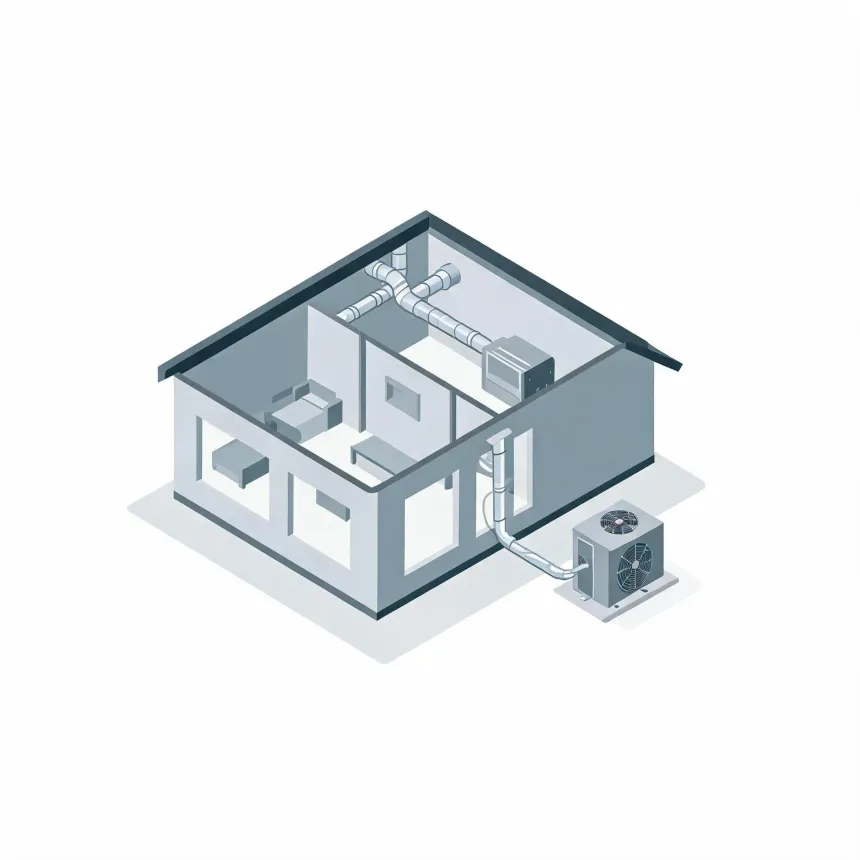
Isometric illustration of a cutaway house showing interior rooms, ceiling ductwork and an air handler, connected by lines to an outdoor condenser unit on a pad beside the building.
Your system heats November through March and cools May through October.

NOAA nClimDiv, 1991–2020 normals

Electricity already heats 68.1% of homes in Forrest County.

A heat pump runs on that same electric setup, so installing one is usually a swap, not a rebuild.

Electricity here runs 13.39 cents a kWh, so a heat pump's running cost matters less than whether it keeps up when the power swings back on after a storm

Power costs 13.39 cents a kWh statewide
115 damaging wind events from 2015 to 2024
Climate zone 3A

Hattiesburg is in zone 3A, warm and humid with summer that runs long and winter that barely shows up. A heat pump installed here now has to hit 14.3 SEER2 for cooling and 7.5 HSPF2 for heating. That's the federal minimum for equipment built from 2023 on, and it applies everywhere. The Southeast has its own rule on top of that for central air paired with a furnace, set a little higher than the national minimum. Either way, these numbers decide what a contractor can actually put in your house. A unit built to the national minimum alone doesn't meet what's required here.

Size it for Forrest County, not the brochure

Damaging wind hit Forrest County 115 times between 2015 and 2024. A heat pump here has to come back on and keep up right after the power does. That comes down to sizing and installation, done right for this house, not which unit looks best on paper.

Find a contractor
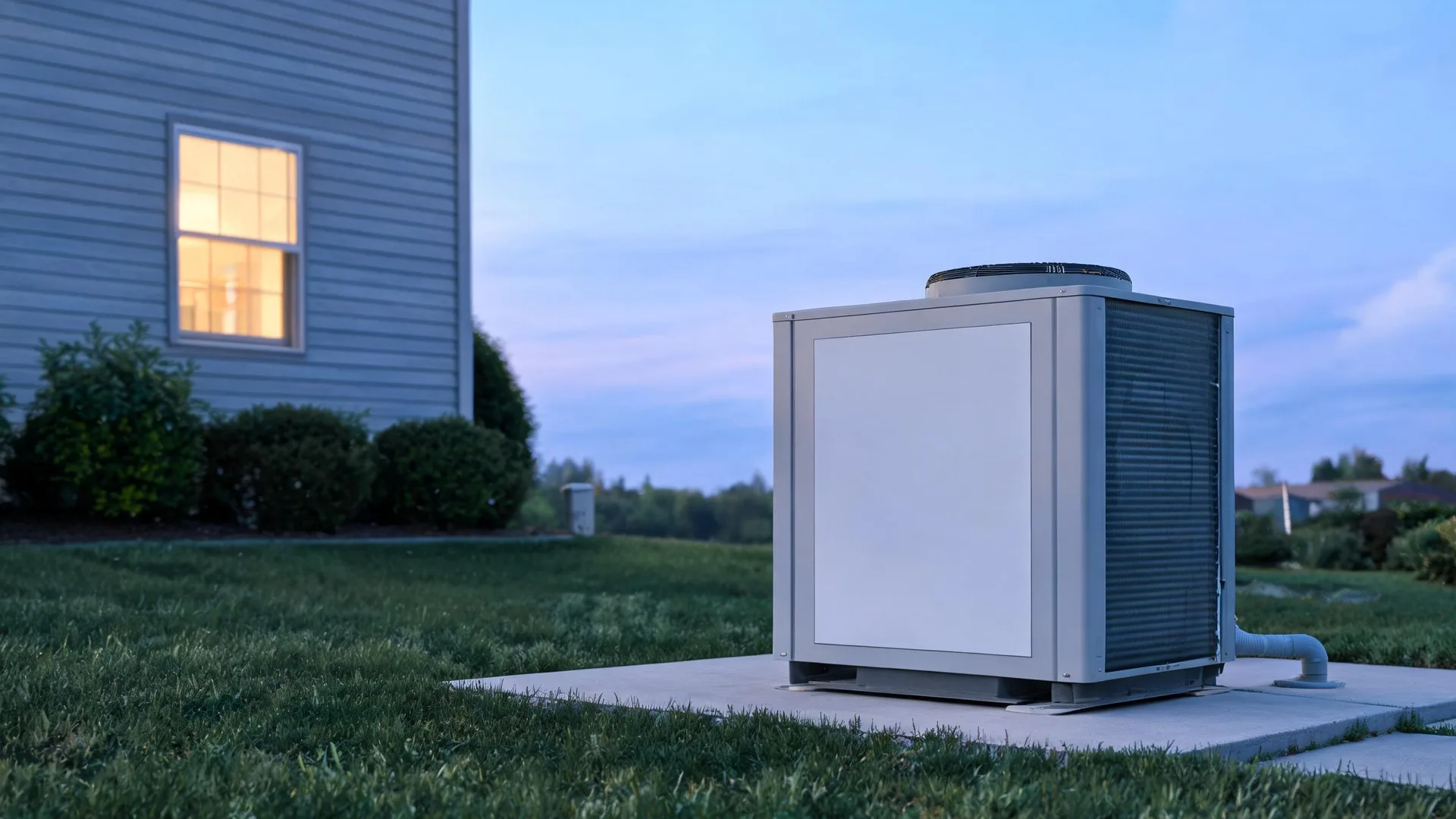
A gray air-source heat pump mounted on a concrete pad next to a house with gray vinyl siding, surrounded by gravel and flanked by green shrubs and white hydrangea flowers.

Get it in before the season needs it

This machine works most of the year here, cooling from May through October and heat from November through March. That leaves April and October as the only slow stretches. Put it in during one of those months and a contractor can take the time to get the sizing and the connections right, without a hot house or a cold one pushing the schedule. Wait for the first hot week or the first cold snap and you're installing under pressure, on whatever timeline is left.

The size of the job sets the price

A straight swap, same spot, same line set, same electrical, is the simplest version of this job. The price moves once a contractor has to run new wiring for a different voltage, replace a line set that's the wrong diameter, or pour a new pad because the old one is cracked or undersized. The equipment is only part of what you're paying for. The labor to get it properly connected is the rest.

Ductwork decides more than the unit does

A heat pump moves a different volume of air than what was there before, and older ducts don't always handle that without changes. If the ductwork is undersized, leaky, or was built for a furnace that worked differently, a contractor has to address that before the new system can perform the way it's rated to. That work is harder to see coming than the cost of the unit itself, and it's the part that actually determines whether the house heats and cools evenly.

A heat pump has to be sized against the heat loss and heat gain of the house it's going into, not picked off a chart by square footage alone. Too big and it short cycles, running a few minutes at a time, long enough to cool the air but not long enough to pull the moisture out of it. That leaves the house feeling clammy even when the thermostat says it's satisfied. Too small and it runs constantly during the hardest months and still can't quite catch up. Getting the size right means a contractor looks at window area, insulation, and how the ductwork moves air through the house, then works out the load room by room. The nameplate number on the unit matters less than whether that number actually matches what the house needs to shed or hold onto.

Installation day starts with the old system coming out, so expect the better part of a day before the new one is even running. A contractor disconnects power to the unit before touching anything, then moves to the indoor coil, the line set, and the air handler or furnace interface depending on what's already there. Setting the new outdoor unit means getting it level on the pad, because a unit that sits tilted wears its compressor mounts unevenly over time. Once it's connected, a contractor pulls a vacuum on the line set to remove moisture and air before refrigerant ever goes in. Charging it right comes last, and it has to match what the manufacturer specifies for that line length, not just a quick top-off. Only after it's running does a contractor check airflow at the vents and cycle the system to see that it switches between heating and cooling the way it should.