Most of Picayune already heats with electricity
87.8% of homes in Pearl River County heat with electricity. A heat pump fits right into that setup, since it runs on the same power your home already has.
Takes about a minute. No obligation.
87.8% of homes in Pearl River County heat with electricity. A heat pump fits right into that setup, since it runs on the same power your home already has.
Only 5.8% of homes here use utility gas, and 4.1% run on LP. A heat pump install skips the gas-line questions that come up elsewhere and keeps the job down to electrical and ductwork.

NOAA nClimDiv, 1991–2020 normals
Pearl River County sees wind, hail and the occasional tornado, but nothing that calls for special equipment.
A standard heat pump, sized right for your home, holds up fine here.




A heat pump that's too big for the house will cool the air fast and shut off before it pulls the moisture out. Rooms end up feeling clammy even at the temperature you set. One that's too small runs all the time and still falls behind when it's hottest or coldest outside. Getting the size right means looking at the house itself, room by room. A contractor checks window area, attic insulation, how much space needs conditioning. That's called a load calculation, and it's done without regard to what size the old unit was, since the old one may have been wrong from the start. What comes out of that work is one size of equipment, not a range, and that's what goes in.
With power this cheap, a pricier high-efficiency model takes longer to earn back the difference. Put the weight on sizing and installation instead, done right through a proper load calculation, so the system you get runs well for years.
Find a contractorThat rating tells you how much heat a heat pump moves for the power it puts in. It's tested in a lab, under conditions that don't change. Your house isn't a lab. The number on the label is a ceiling, not a promise, and what you actually get depends on what's underneath it. A coil that's dirty or a refrigerant charge that's off pulls real performance well below what the label said, no matter how good the equipment was new. So does a system that's the wrong size for the house it's in. The rating is worth knowing, but it only holds up when the sizing and the install are right first.
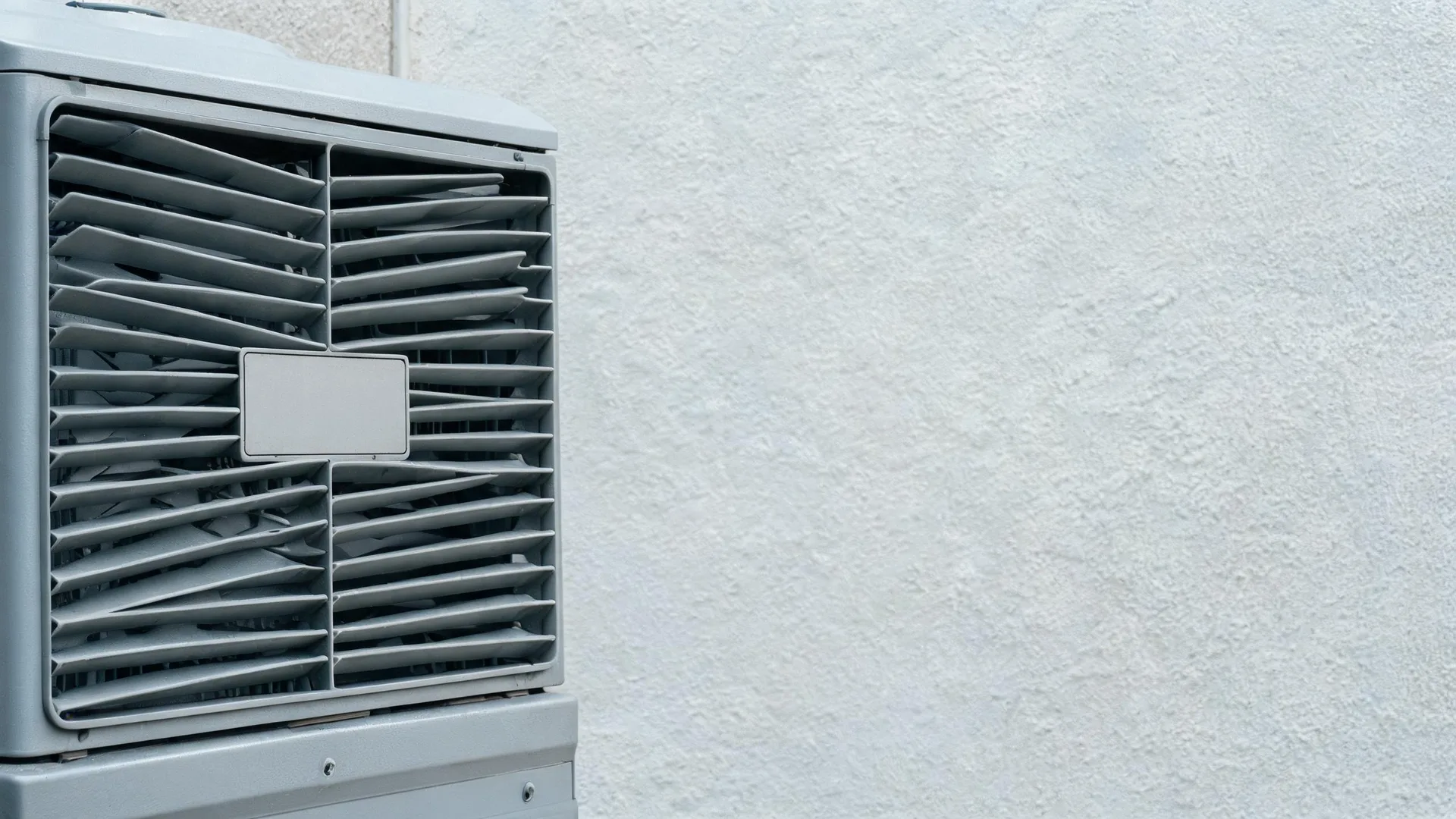
A heat pump runs more hours than a straight AC unit because it handles winter too, and the outdoor unit sits right outside a bedroom or patio as often as not. Ask for the decibel rating at low stage and at full output, not just one number. Ask where the contractor plans to place the outdoor unit and why, since a few feet of distance or a different wall changes what you hear indoors.
Every heat pump loses capacity as the air outside gets colder, and the balance point is where it needs backup heat to keep up. Ask what that balance point is for the specific model being quoted, not the product line in general. Ask what kind of backup heat kicks in below that point, since that's what actually keeps the house warm on the coldest nights.
The old system doesn't need to come out before the new one goes in, at least not right away. A contractor sets the heat pump and air handler, ties into the existing ductwork, then switches the house over once the new equipment is running and checked. What happens to the old unit after that depends on what it is. A working furnace sometimes stays in place as backup heat, wired to kick in if the heat pump can't keep up on the coldest days. One that's worn out or the wrong type gets disconnected and hauled off. Either way, the ducts usually stay. They're sized for moving air through the house, not for one brand of equipment, and a heat pump moves air through the same ducts a furnace or straight AC used.
Installation cost comes down to what has to change to get the equipment in and running, not just the equipment itself. A straightforward swap, same location, same ductwork, same electrical, costs less because there's less to touch. Add a line set that has to run further, a breaker panel that needs more capacity, or ductwork that needs modifying to handle the airflow, and the labor adds up before the heat pump itself enters into it. Where the outdoor unit goes matters too, since a longer run between indoor and outdoor units means more refrigerant line, more insulation, more time. The load calculation also drives it. A house that needs a larger system costs more not because bigger equipment is fancier, but because it is bigger. None of this shows up by looking at the old unit. It shows up when someone walks the house and checks what's actually there.