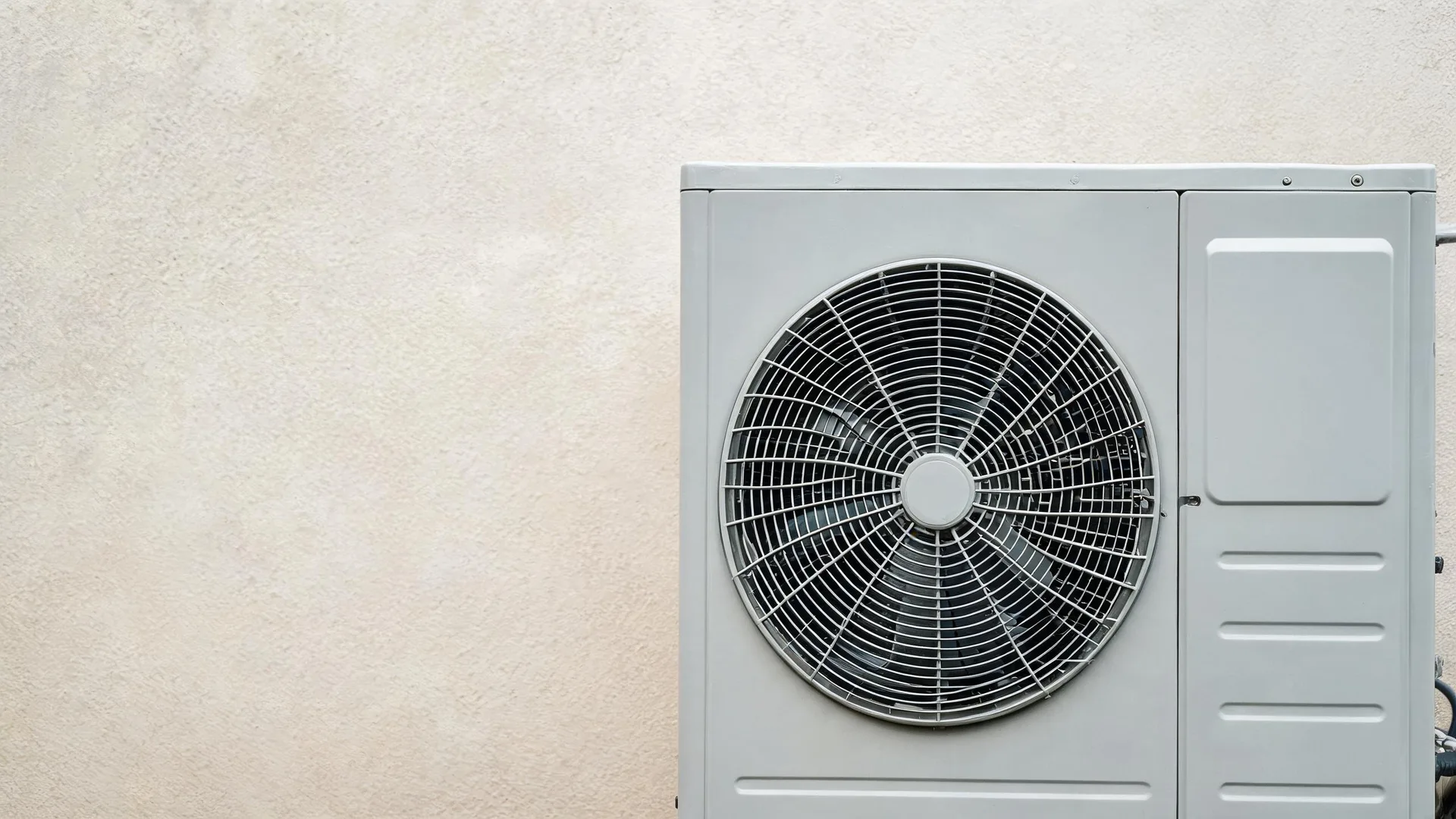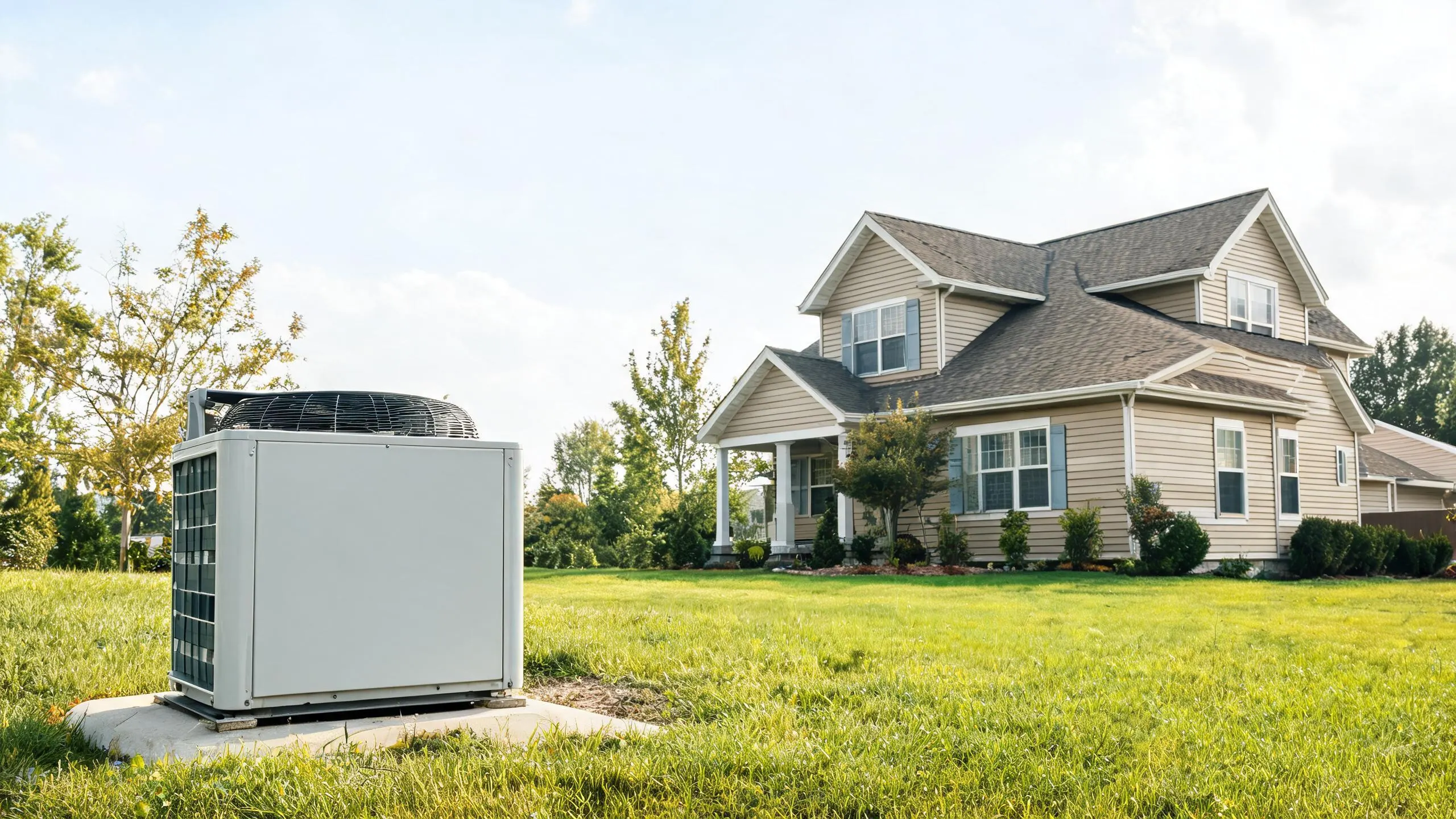
An outdoor HVAC condenser unit on a concrete pad in front of a two-story suburban house.

Heat Pump Installation in Cleveland, MS

Tell us about the job

Takes about a minute. No obligation.

New system or replacementHeat PumpBolivar County, MS
Step 1 of 2

What ZIP code is the job in?

Bigger isn't better

A heat pump that's too large for the space cycles on, satisfies the thermostat fast, and shuts off again before it finishes pulling moisture out of the air. The house ends up clammy even though the temperature looks right. One that's too small runs constantly and never quite catches up on the coldest or hottest days. The right size runs longer, steadier cycles, which is what actually keeps a house comfortable.


It's a room by room count

Sizing a heat pump means a contractor measures the actual square footage, checks window area and orientation, looks at insulation and ceiling height, and adds up how much heat the house gains in summer and loses in winter. The outdoor unit and the indoor coil get matched to that load. Skipping this step and sizing off the old equipment or a rule of thumb is how homes end up with a system that short cycles or can't keep up.

5 months
November through March, your system heats
5 months
May through September, it cools
36°F
the average winter night it heats against
90°F
the average summer afternoon it cools against
Isometric grayscale illustration of a cutaway two-story house showing interior ductwork, an indoor air handler unit, and an outdoor condenser unit on a pad beside the building.
Your system heats November through March and cools May through September.

NOAA nClimDiv, 1991–2020 normals

The old furnace or AC doesn't just get left in place.

Pulling it out and capping or rerouting what it leaves behind is part of the install, not an afterthought.

Power here runs 13.39 cents a kilowatt-hour, cheap enough that a high-efficiency model takes longer to pay for itself

Power costs 13.39 cents a kWh statewide
Climate zone 3A
Cooling runs May through September

Gas heats close to half the homes in Bolivar County, electricity close to 40 percent, and the rest run on bottled or LP gas. A heat pump replacing an electric furnace or electric baseboard is a straightforward swap, since the house is already wired for it and the ductwork is already sized for an air handler. Replacing a gas furnace with a heat pump means the contractor is also pulling the gas line out of the equation for heat, not just swapping boxes, so that changeover takes more planning. Either way, the existing ducts and electrical panel get checked against what the new system needs before anything goes in.

A correctly sized, standard-efficiency heat pump is what this house needs

Half the homes in Bolivar County were built in 1977 or earlier, half later, and neither points to anything unusual for a heat pump. A standard size and efficiency fit this house fine. Bigger equipment doesn't ride out a power cut any better than the right-sized unit does, so there's no reason to pay for extra capacity here.

Find a contractor
A man in a navy T-shirt, tan work pants, boots and a green cap climbs porch steps toward a blue front door, carrying a canvas tool bag beside a blue planter with a small shrub.
A residential heat pump outdoor unit mounted on a concrete pad next to a house with gray vinyl siding.

Two seasons, one machine, not much gap between them

This heat pump carries both jobs here. Cooling runs May through September, heating runs November through March, so there's barely a month where it isn't doing one or the other. April and October are what's left over, and that's exactly when to put one in. The house doesn't need heating or cooling yet, so the install isn't competing with a heat wave or a cold snap.

The rating comes from a range of conditions, not one

The efficiency number on a heat pump's label is an average taken across a range of outdoor temperatures, not a reading from one ideal day. A unit can carry a strong rating and still perform differently on the coldest or hottest stretch of weather than it does on a mild one. The rating is there so you can compare models against each other before you buy, not so you can predict what the system will do on any single afternoon.

The rating only earns out if the compressor is running

A more efficient compressor saves something every hour it runs, and a heat pump runs more hours over the year than a furnace or an AC does alone, since it covers both jobs. Where electricity is already cheap, those small hourly gains take longer to add up to anything worth paying extra for. How long you plan to stay in the house matters here as much as the number on the label.

What drives the price on a heat pump job is mostly what it takes to get the new system talking to the house. A straight swap, same spot outside, same ductwork, same electrical panel, is the cheapest version of this job because the contractor isn't rebuilding anything around it. Costs climb when the ducts are undersized or leaky and need rework to move the air a heat pump moves, or when the panel doesn't have the capacity to run the new unit and needs an upgrade. Line sets, the refrigerant lines running between the outdoor unit and the indoor coil, have to be sized and run correctly, and that's more work if the old system used a different setup. Removing an old furnace or air handler and capping or rerouting what it leaves behind adds labor too. None of that shows up on a spec sheet. It shows up when the contractor walks the house.

Install day starts with the old equipment coming out, not the new one going in. The outdoor unit gets disconnected and hauled off, the indoor coil pulled, and if ductwork or line sets are being reused, they get checked before anything new connects to them. The new outdoor unit gets set on a pad or bracket outside, the indoor coil goes in above or beside the furnace or air handler, and the line set between them gets run, brazed, and pressure tested for leaks before it's charged with refrigerant. Electrical work happens alongside that, tying the new unit into the panel and running a dedicated circuit if the old system didn't need one. Once everything is connected, the system gets charged, the airflow gets checked against what the new equipment actually needs, and the contractor runs it through a full heating and cooling cycle before calling it done. A straightforward swap can wrap in a day. Anything that involves duct changes or a panel upgrade stretches past that, since those are separate jobs layered onto the same visit.