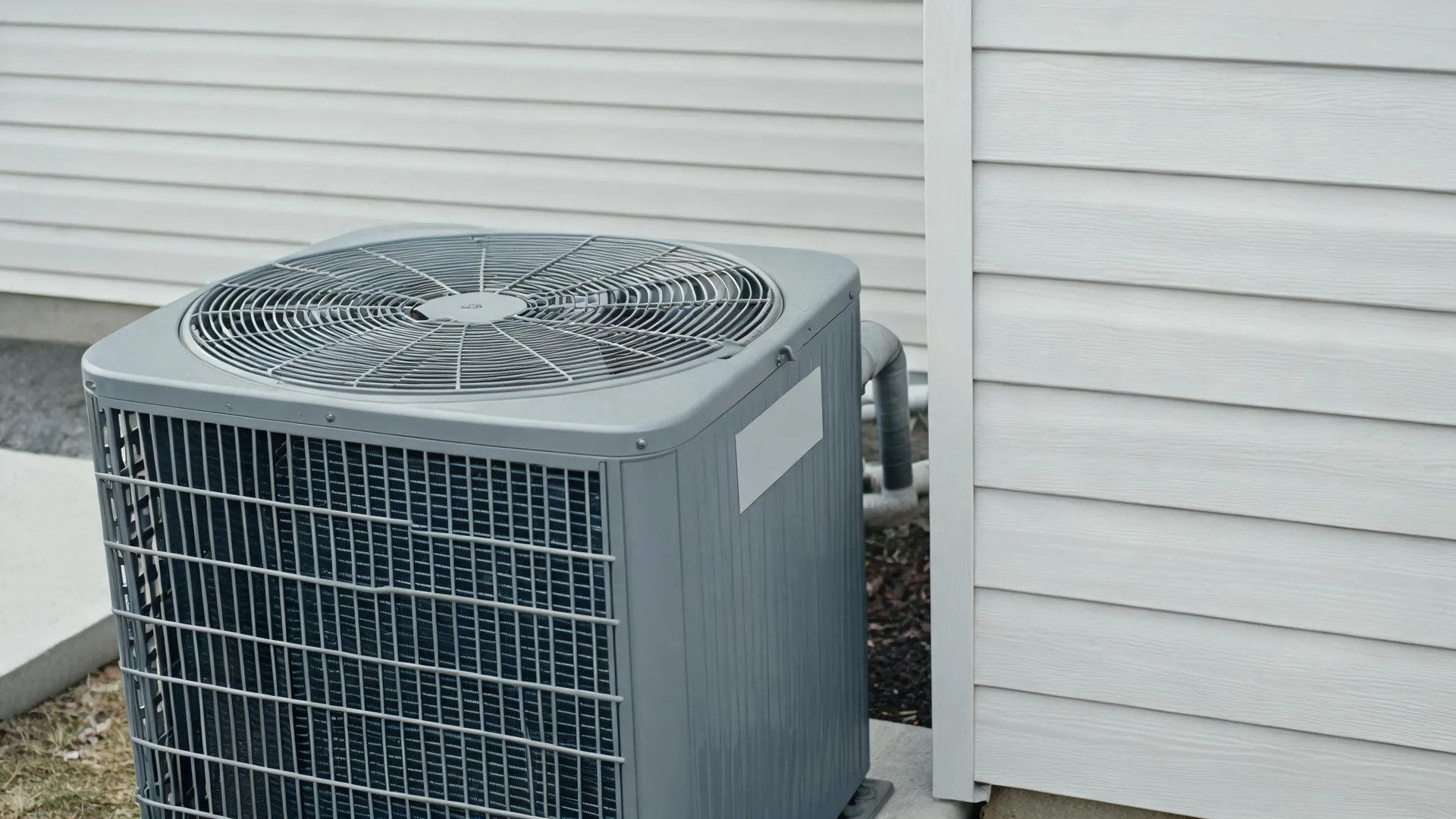
A grey heat pump outdoor unit mounted on a concrete pad in a suburban backyard, with a single-storey house visible behind it.

Heat Pump Installation in Meridian, MS

Tell us about the job

Takes about a minute. No obligation.

New system or replacementHeat PumpLauderdale County, MS
Step 1 of 2

What ZIP code is the job in?

Electricity here runs 13.39 cents a kilowatt-hour

Mississippi power costs less than the national average, so a heat pump in Meridian costs less to run than the same system would in a lot of other states. Paying extra for the highest-efficiency model takes longer to earn back, because there's less on the power bill to recover it from.

Put the money into the install, not just the rating

With power this cheap, what matters more is whether the system is sized right for a Meridian home and installed to keep running when storms knock the grid out. A heat pump that holds up through an outage is worth more here than a slightly better efficiency number.

5 months
November through March, your system heats
5 months
May through September, it cools
37°F
the average winter night it heats against
90°F
the average summer afternoon it cools against
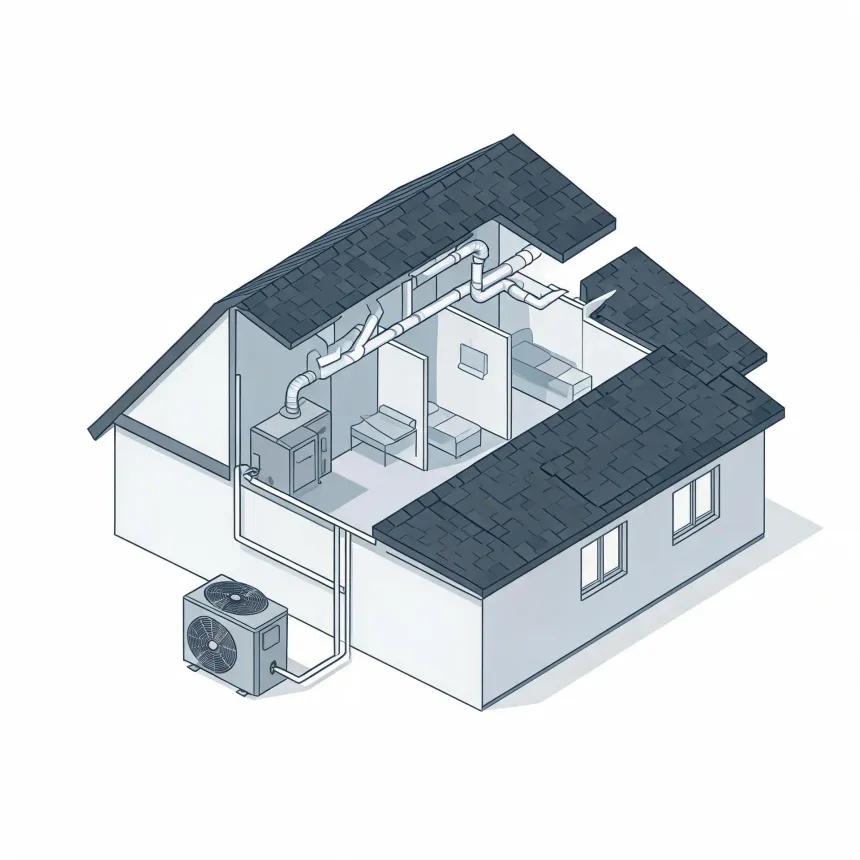
Isometric line illustration of a cutaway single-story house showing interior ductwork, an indoor air handler unit, and an outdoor condenser connected by refrigerant lines, with a dark shingled roof.
Your system heats November through March and cools May through September.

NOAA nClimDiv, 1991–2020 normals

Half the homes in Lauderdale County were built in 1979 or earlier, half in 1979 or later.

A standard heat pump size fits either one. Nothing about the age here calls for upsizing.

Power is cheap here, so fit and sizing matter more than the rating

Power costs 13.39 cents a kWh statewide
126 damaging wind events from 2015 to 2024
Climate zone 3A

Electricity already heats close to 7 in 10 homes in Lauderdale County, so most homeowners calling about a heat pump are swapping out a system that ran on the same fuel. That makes the install simpler. The wiring and the electrical service are already built around an electric system, so a contractor is working with what's there rather than adding a fuel source the house never had. Gas heats about a fifth of homes here, and propane a smaller share still, so a switch from one of those to a heat pump is a different job with different questions. For most homes in the county, though, this is a straight replacement.

Any new heat pump here has to meet 14.3 SEER2 and 7.5 HSPF2

That's the federal minimum for split-system heat pumps made since January 2023, so it's the floor for whatever goes in, not an upgrade. A federal tax credit is available toward a qualifying heat pump. Get a quote to see what fits your home and what it qualifies for.

Find a contractor
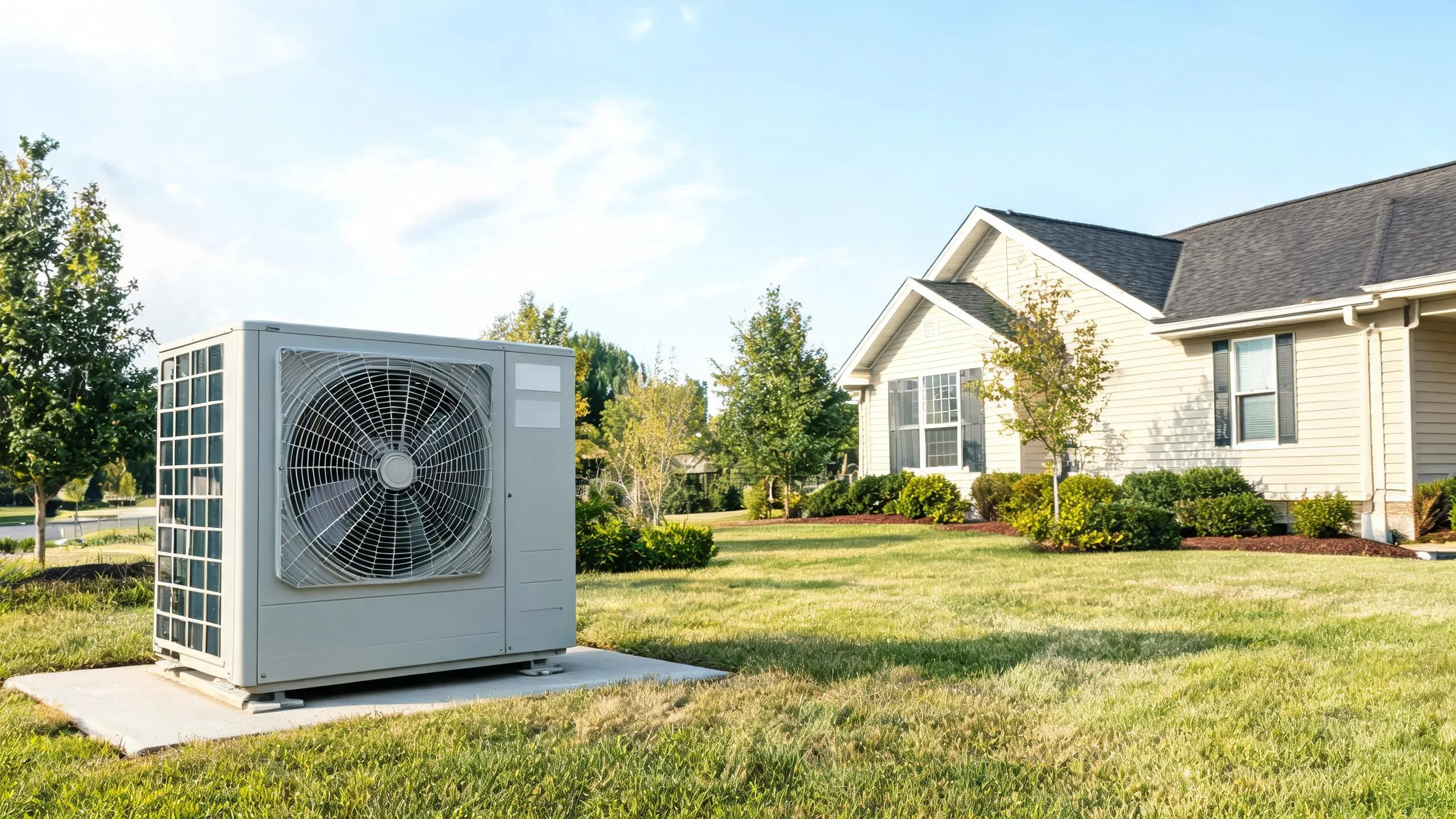
A gray heat pump outdoor unit mounted on a concrete pad next to a residential house with lap siding and stone accents.

The label tells you the ceiling, not what you'll get

That rating comes from one test, run in a lab, at one set of conditions. Your heat pump will spend years cycling on and off, running on mild days and on the coldest and hottest ones, pushing air through whatever ductwork it is tied into. None of that shows up on the label. A heat pump sized right for the house and set up with good airflow will run closer to its rated efficiency over time than one that is oversized or starved for return air, even if that second unit has the better number stamped on it. The label tells you what the equipment is capable of. The refrigerant charge, the duct sizing and the airflow are what decide how much of that you actually get.

The load calculation sets the price before anything else does

A contractor has to work out how much heat the house loses and gains before quoting equipment, because that number decides what size unit goes in and what the ductwork needs to carry. Skip that step and the quote is a guess. Do it properly and the price reflects the actual job, not a size picked because it matches what came out.

The ductwork decides how much of the install is hidden work

A heat pump moves a different volume of air than some older systems were set up to handle, so existing ducts sometimes need sealing, resizing or new runs to keep up. That work happens inside walls and crawlspaces where nobody sees it, but it costs as much in labor as the parts anyone can point to. A system set on good ducts earns its rating. One choked by old ductwork never will, no matter what it costs.

The old system doesn't get left behind for someone else to deal with. A contractor disconnects the refrigerant lines, recovers whatever refrigerant is left in them, and that recovery is required by law, not optional. Old equipment can't just be vented or drained on site. The indoor and outdoor units get hauled out, along with the line set if it's not being reused, and the electrical disconnect gets pulled or capped off. If the old unit ran on a furnace for backup heat, that part of the swap gets sorted out too, since a heat pump install sometimes keeps the furnace as backup and sometimes doesn't. Whatever gets removed is scrap at that point. The copper and aluminum in it have value, which is part of why most contractors haul it away as part of the job instead of leaving it for the homeowner to deal with.

Installation day starts with the outdoor unit and the indoor coil, not the thermostat. The old equipment comes out first, lines get disconnected and recovered, and then the new line set goes in if the old one isn't being reused. Once the outdoor unit is set and the indoor coil is in place, the lines get connected, pressure tested, and pulled into a vacuum to clear out moisture and air before any refrigerant goes in. That vacuum test matters more than almost anything else that happens that day, because trapped moisture in the lines causes problems months later, not the same afternoon. After the system is charged, the contractor checks airflow at the vents, sets the thermostat, and runs the system in both heating and cooling before calling it done. A heat pump that cools fine but was never checked running backward in heat mode hasn't actually been tested.