
Heat pump vs furnace in Lauderdale County, Mississippi

Quote Both Systems

See real numbers before you choose

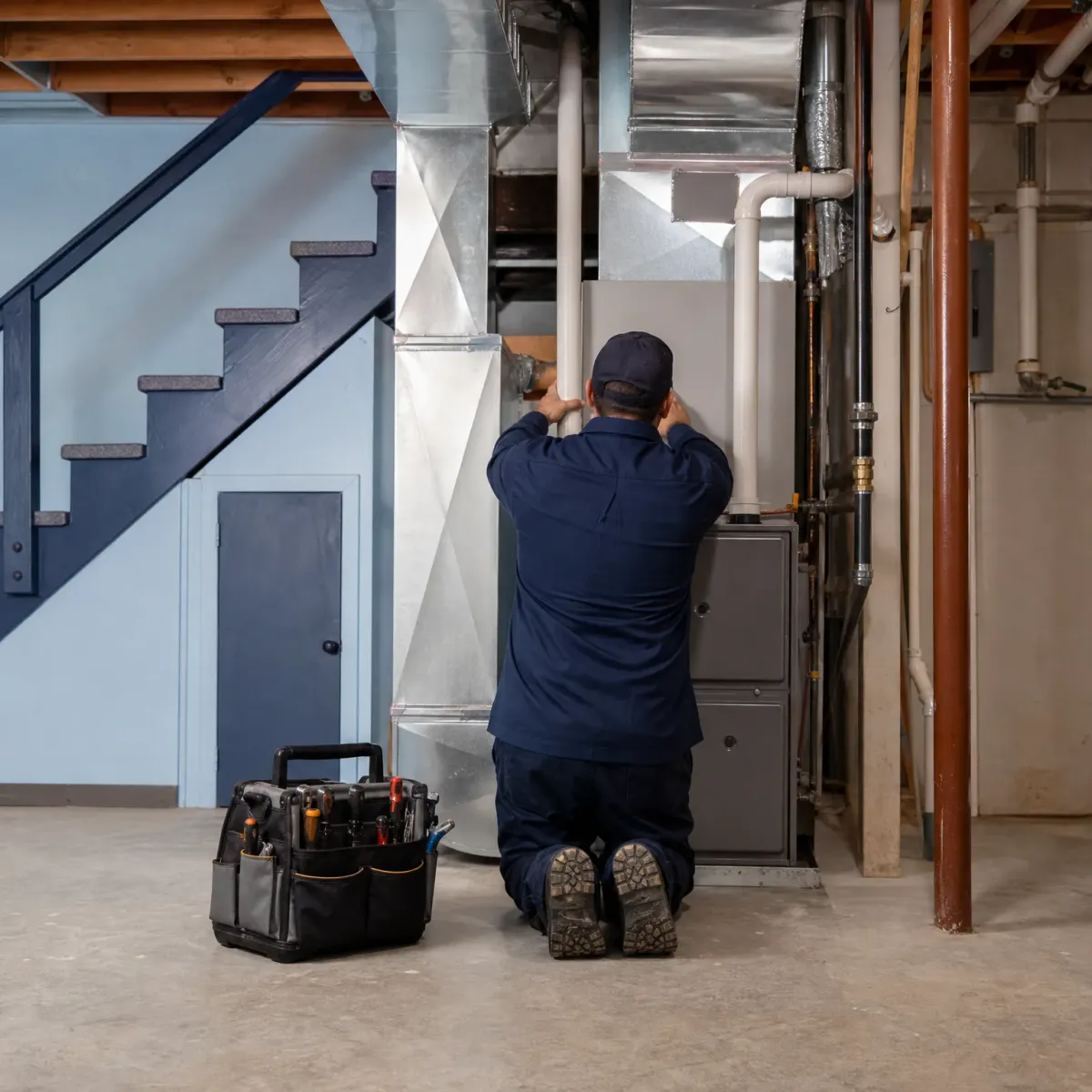
A person in dark blue work clothes and cap kneels in a basement facing a furnace and metal ductwork, with an open tool bag on the floor beside them and a painted staircase in the background.

Tell us about the job

Takes about a minute. No obligation.

New system or replacementLauderdale County, MS
Step 1 of 3

What kind of equipment?

Which costs less to run in Lauderdale County?

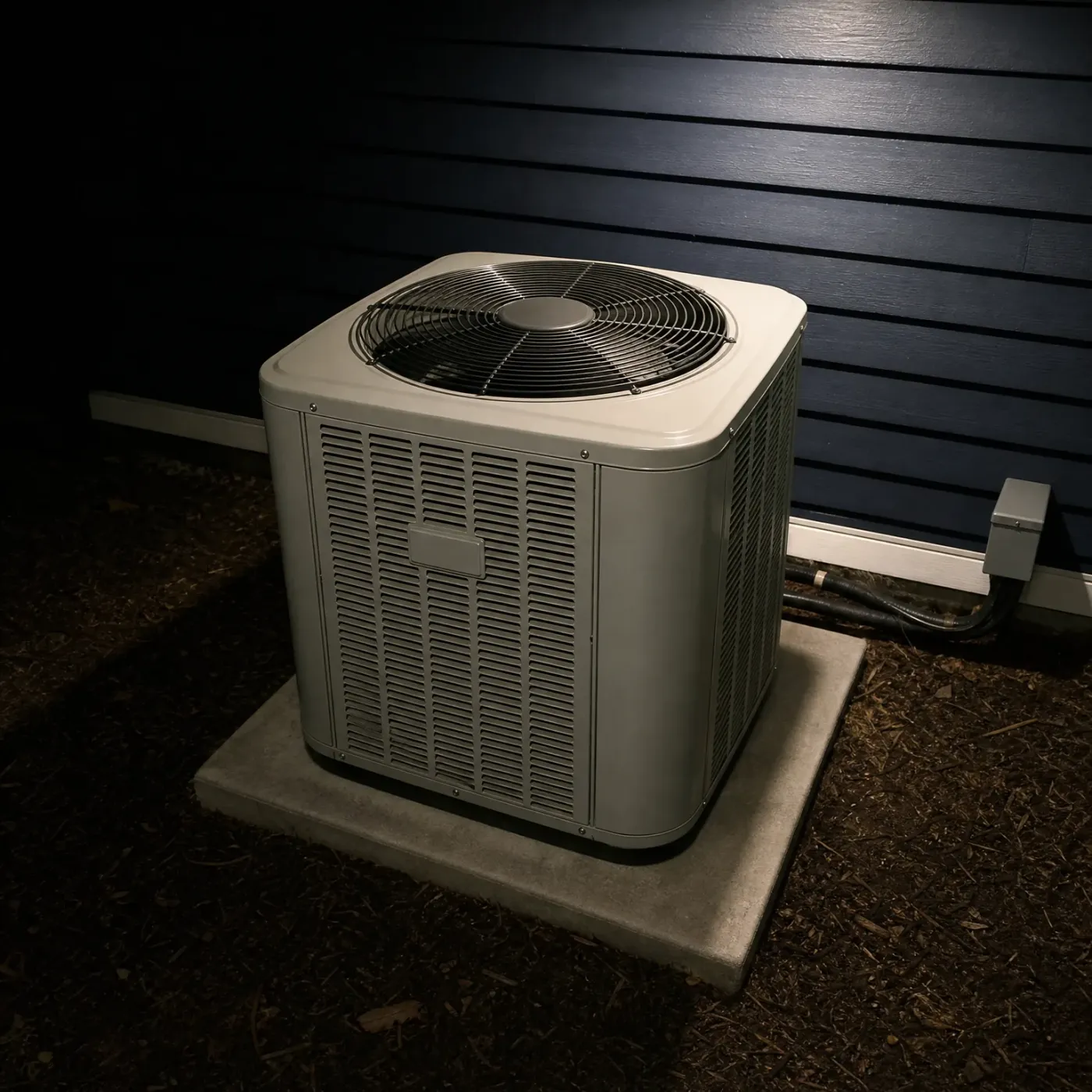
An outdoor air conditioner condenser unit with a top-mounted fan grille sits on a concrete pad next to dark horizontal siding, with mulch around it and a disconnect box and refrigerant lines on the wall.

Heat pump

To heat your home here$1.79per 100,000 Btu

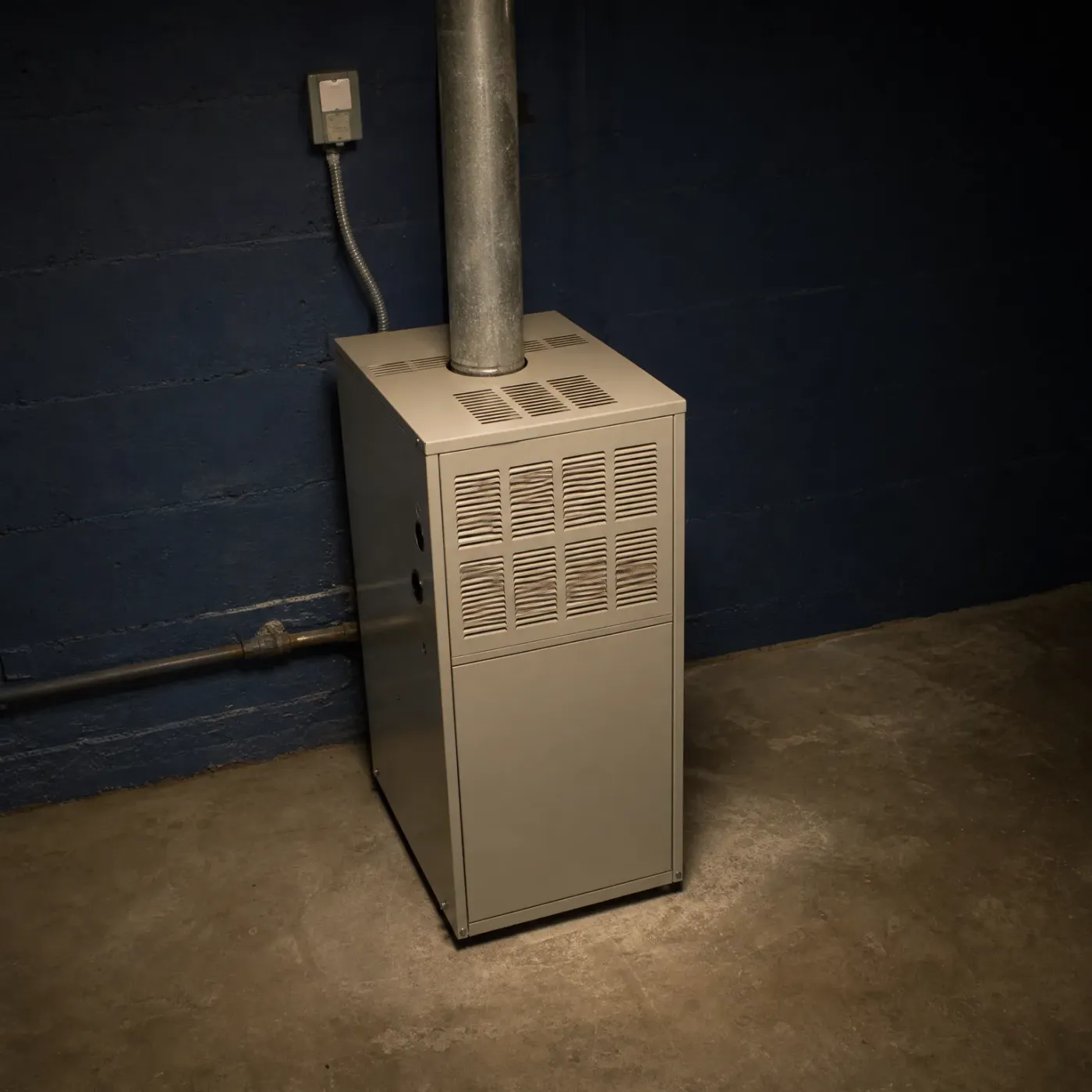
A beige sheet-metal furnace with louvered vent panels stands against a dark blue painted block wall in a basement, with a metal flue pipe rising from its top and a gas pipe and electrical box on the wall behind.

Furnace

To heat your home here$1.88per 100,000 Btu

At Mississippi's gas and electricity prices, a heat pump and a gas furnace cost about the same to run here.

Btu stands for British thermal unit, the standard measure of heat energy.

Where does a heat pump shine?

  • Made for mild winters

    Winter nights here average 37°F, which is well within the range a heat pump handles without strain. It can pull heat from outside air all season without working overtime to keep your house comfortable.

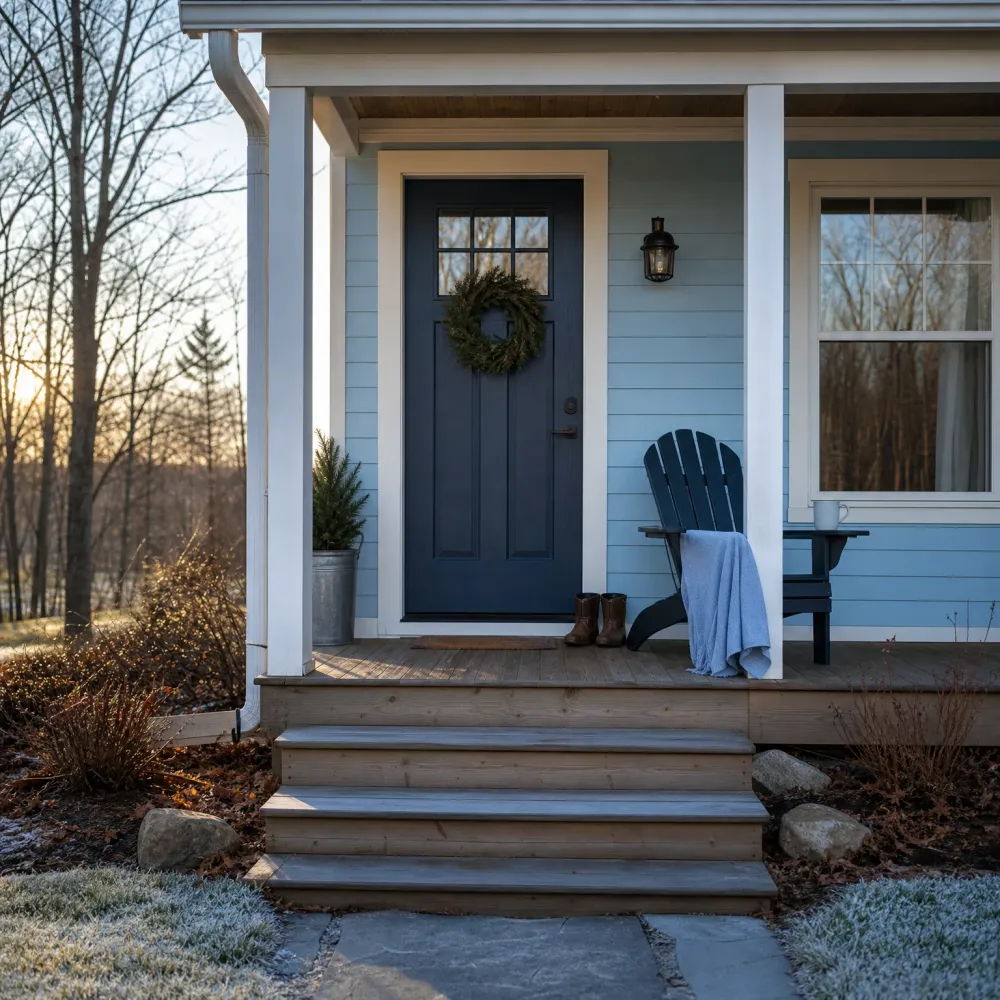
    Covered front porch of a light blue clapboard house with a dark navy door bearing an evergreen wreath, a wooden plank chair with a draped blue blanket, a mug on a side table, leather boots by the door, a potted shrub in a metal bucket, and wooden steps leading to frost-tinged grass and bare trees.
  • Covers a long cooling season

    Cooling runs May through September here. A heat pump earns its keep across those months, then switches over to handle the cold stretches too.

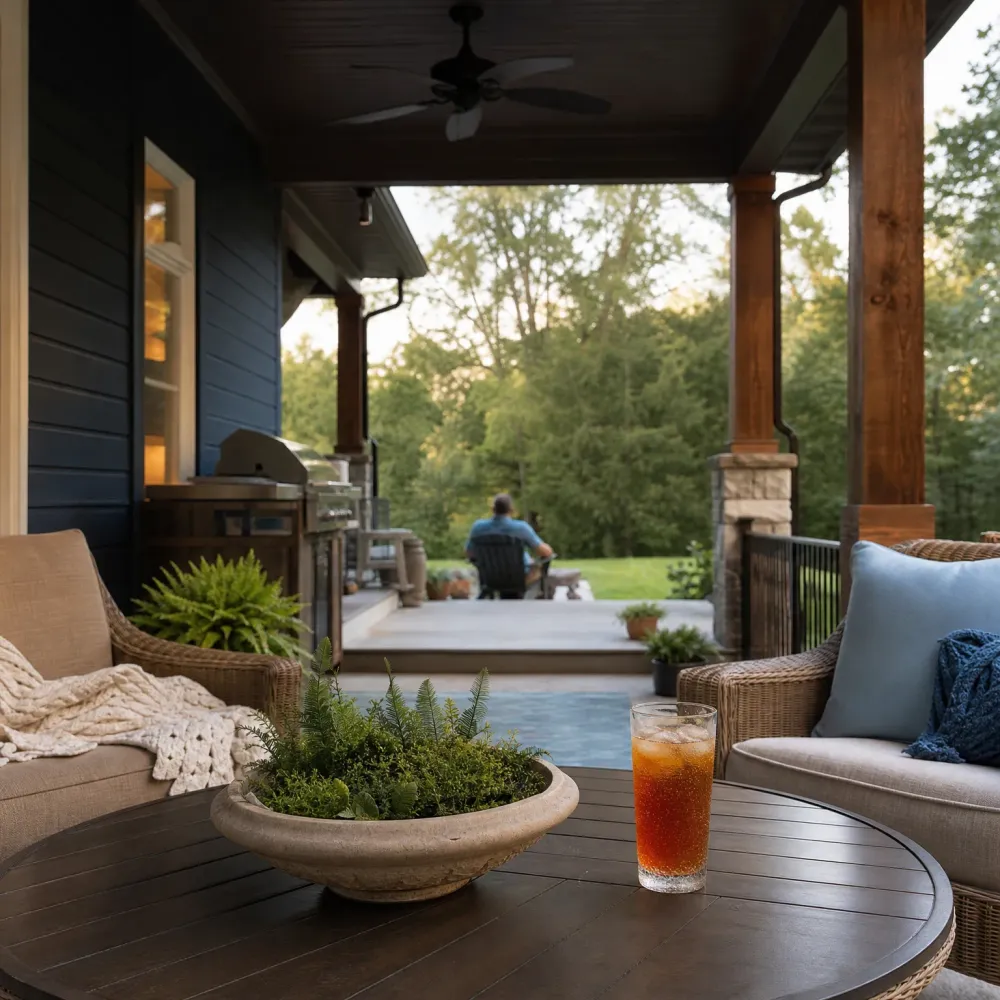
    Covered porch with wicker chairs, cushions and a throw blanket, a dark round table holding a glass of iced tea and a stone planter of greenery, with a ceiling fan above and a seated person on a patio beyond.
  • Heats and cools in one system

    One machine handles the heat in winter and the cooling in summer. There's no second system to buy or keep up.

    A living room with a beige sofa holding navy, blue and striped cushions and a grey fringed throw, a wooden coffee table with books and a mug, a vase of white flowers, and a large dark-framed window looking onto a green garden with trees and a wooden fence.

Where does a furnace shine?

  • Pairs with any central AC

    A furnace's blower and ducts carry cooled air too. Adding central AC uses the same system.

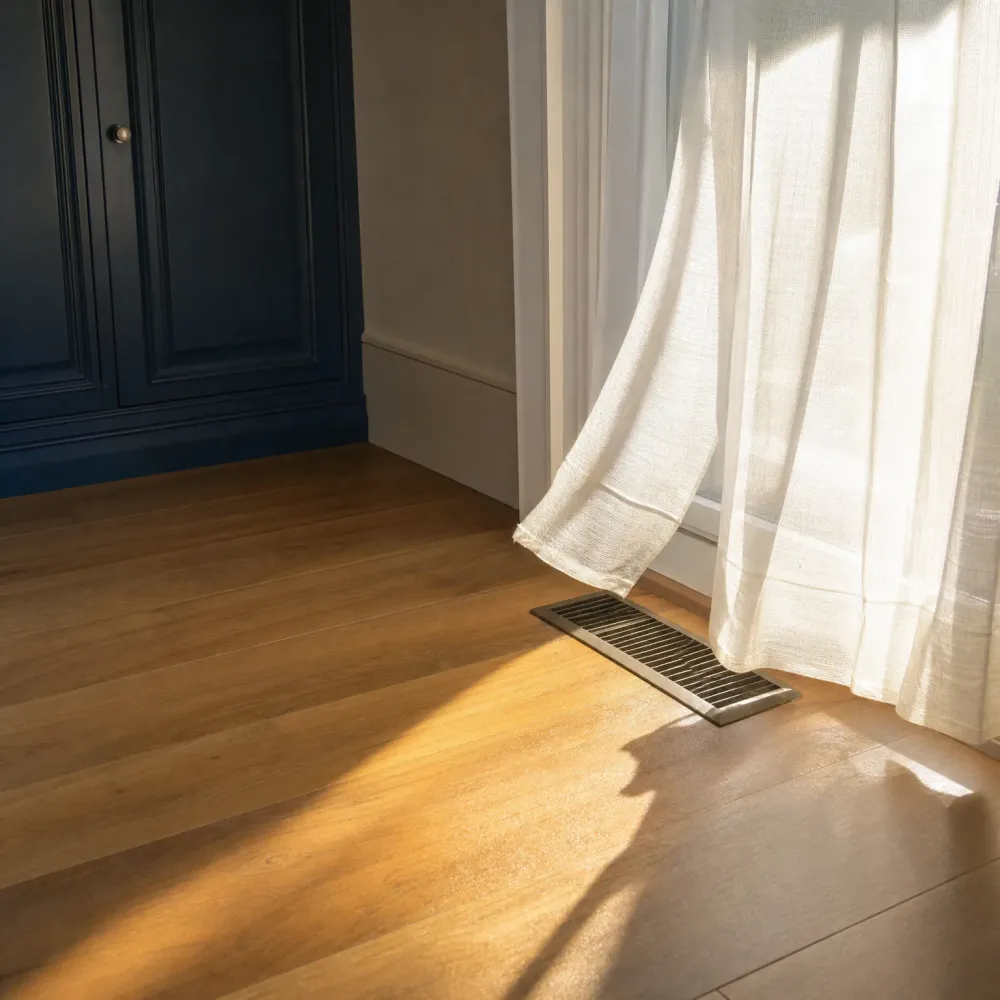
    A metal floor vent set into wood plank flooring near a window with a sheer white curtain, with sunlight casting shadows across the floor and a dark blue cabinet at left.
  • Fast, strong heat on demand

    The air coming from the vents feels genuinely hot. That's welcome on a freezing morning.

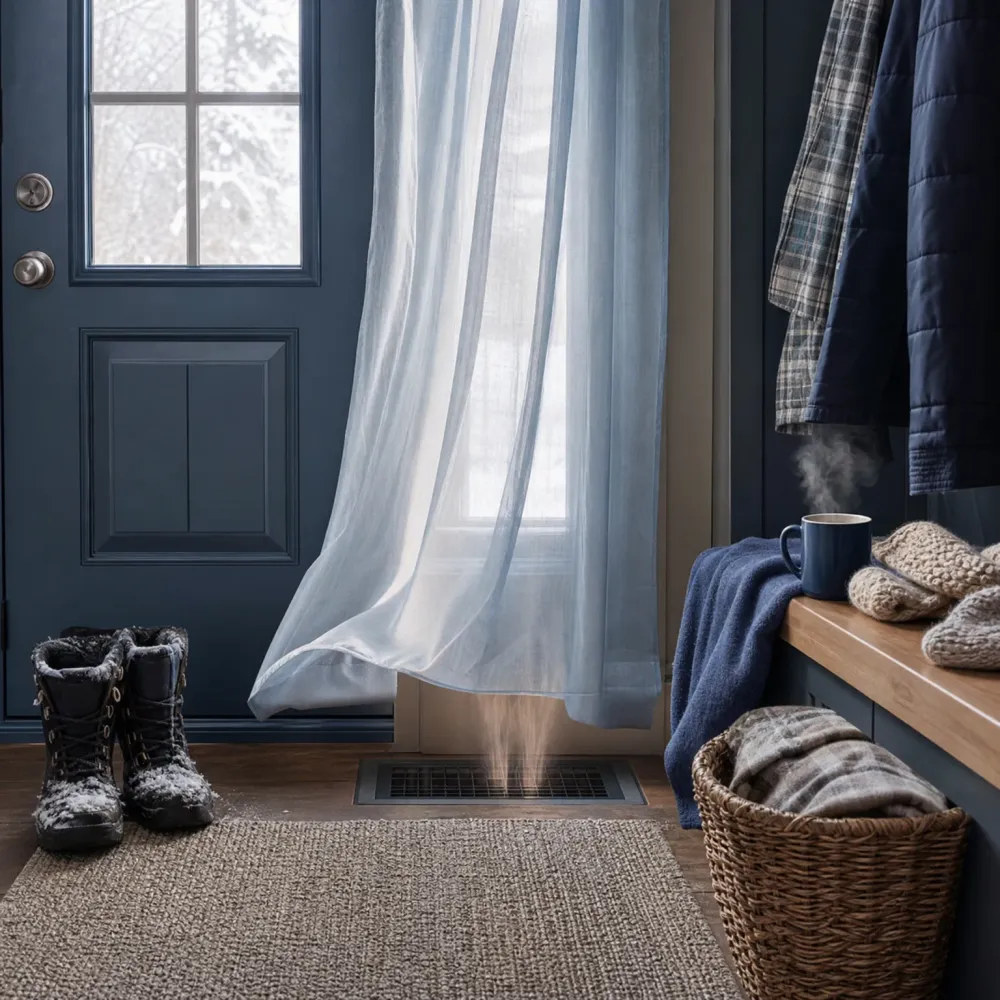
    Entryway with a dark blue door and window showing snowy trees, sheer curtain lifting above a floor vent, snow-dusted boots on a woven rug, and a wooden bench with a blue mug, folded blanket and basket.
  • Proven, simple, easy to get serviced

    Gas furnaces have heated homes for generations. Almost every HVAC tech knows them inside and out.

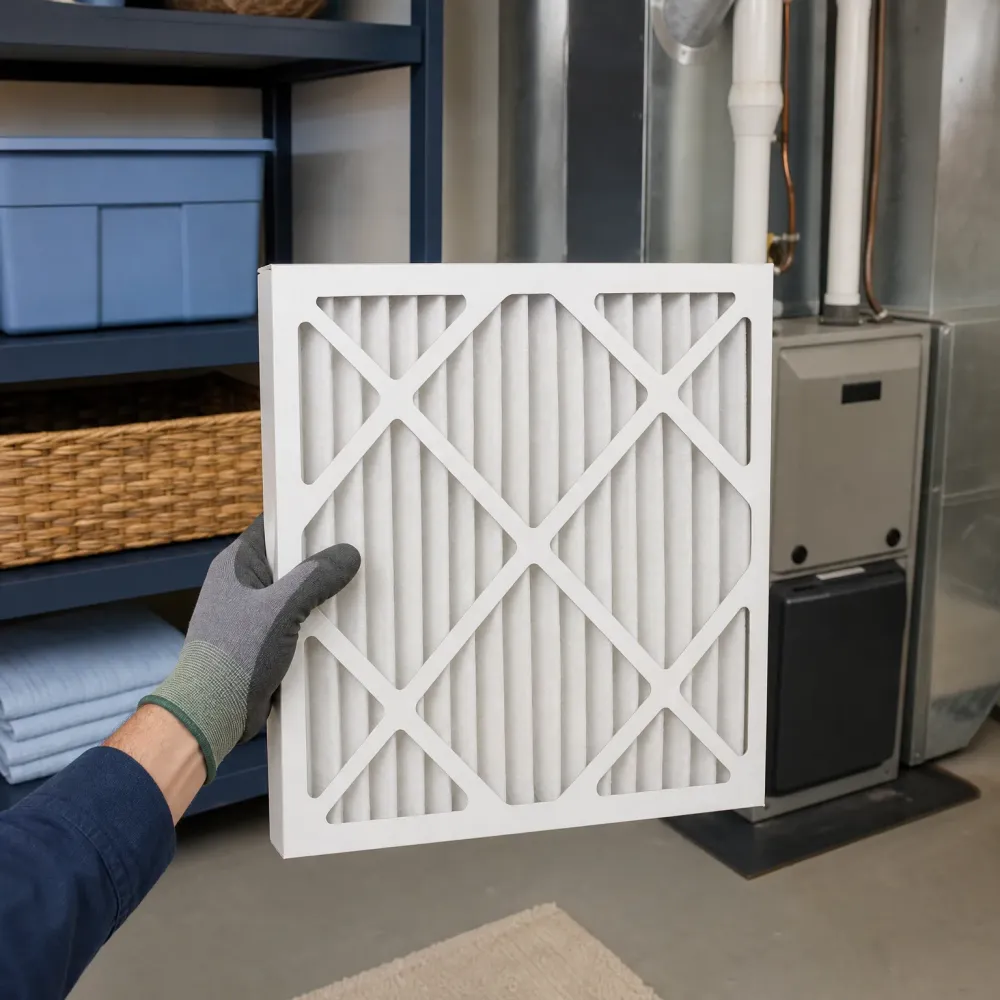
    A gloved hand holds a white pleated air filter in a basement utility area with a furnace, ductwork, and shelving holding storage bins and towels.

A heat pump will keep up here

Winter in Lauderdale County is mild. The overnight low averages 37 degrees across December, January and February, and it only drops to freezing or below on about 50 nights a year. That's under a third of the nights in the five months the heat runs. A heat pump does its best work in exactly this kind of winter, pulling heat from outside air that rarely gets truly cold.

The running-cost numbers back this up. A heat pump built to the federal minimum runs $1.79 per 100,000 Btu here, against $1.88 for a gas furnace. That's with nothing added for backup heat, and in this county it barely needs any. On the handful of nights that do fall near freezing, the heat pump keeps working. It just pulls more power to do it.

Summer is the other half of the math. Cooling runs about five months a year here, the same length as the heating season, and the afternoon high hits 90 or above on about 80 days a year. A heat pump is also your air conditioner, so it's sized for both jobs already. A furnace only heats. It has nothing to do for the seven months a year when heating isn't running, and you'd still need a separate AC system to get through those 80 hot days.
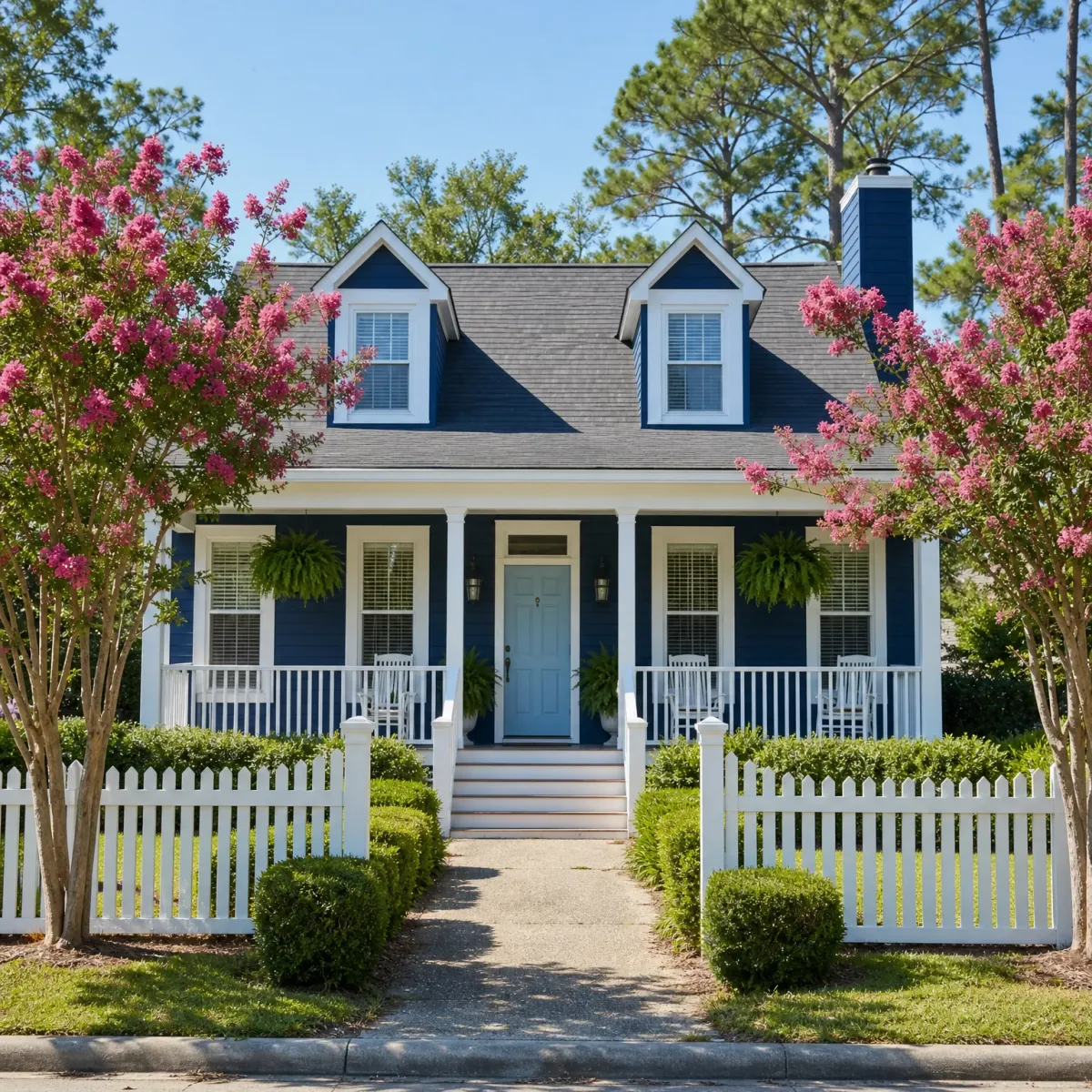
A navy blue single-story house with two dormer windows, white trim, a covered front porch with rocking chairs and hanging ferns, a light blue front door, a white picket fence, trimmed shrubs, and flowering pink crape myrtle trees on either side.

What a furnace still offers

Most homes in Lauderdale County already heat with electricity. 69.8% do, against 20.5% on utility gas. That split tends to follow what's already run to the house. If gas is already piped in and a furnace is what your home has now, pairing a new furnace with a separate AC is the simpler path, and it's a well proven setup with parts any local contractor can service.

A furnace also puts out hotter air right from the start, which matters to some people on the coldest mornings even if those mornings are rare here. A heat pump delivers steady, gentler heat instead. Neither is wrong. It's a question of what kind of heat you want in the house.

On cost alone, the two are close enough in this county that it isn't the deciding factor. A heat pump runs about a nickel cheaper per 100,000 Btu. The bigger difference is what else the machine does for you: a heat pump covers both your winter and your five-month cooling season in one system, while a furnace leaves the cooling job to a separate unit entirely.

Sources: NOAA nClimDiv · NOAA 1991–2020 seasonal normals · Census ACS 2020–2024 · EIA SEDS 2024 · 10 CFR 430.32

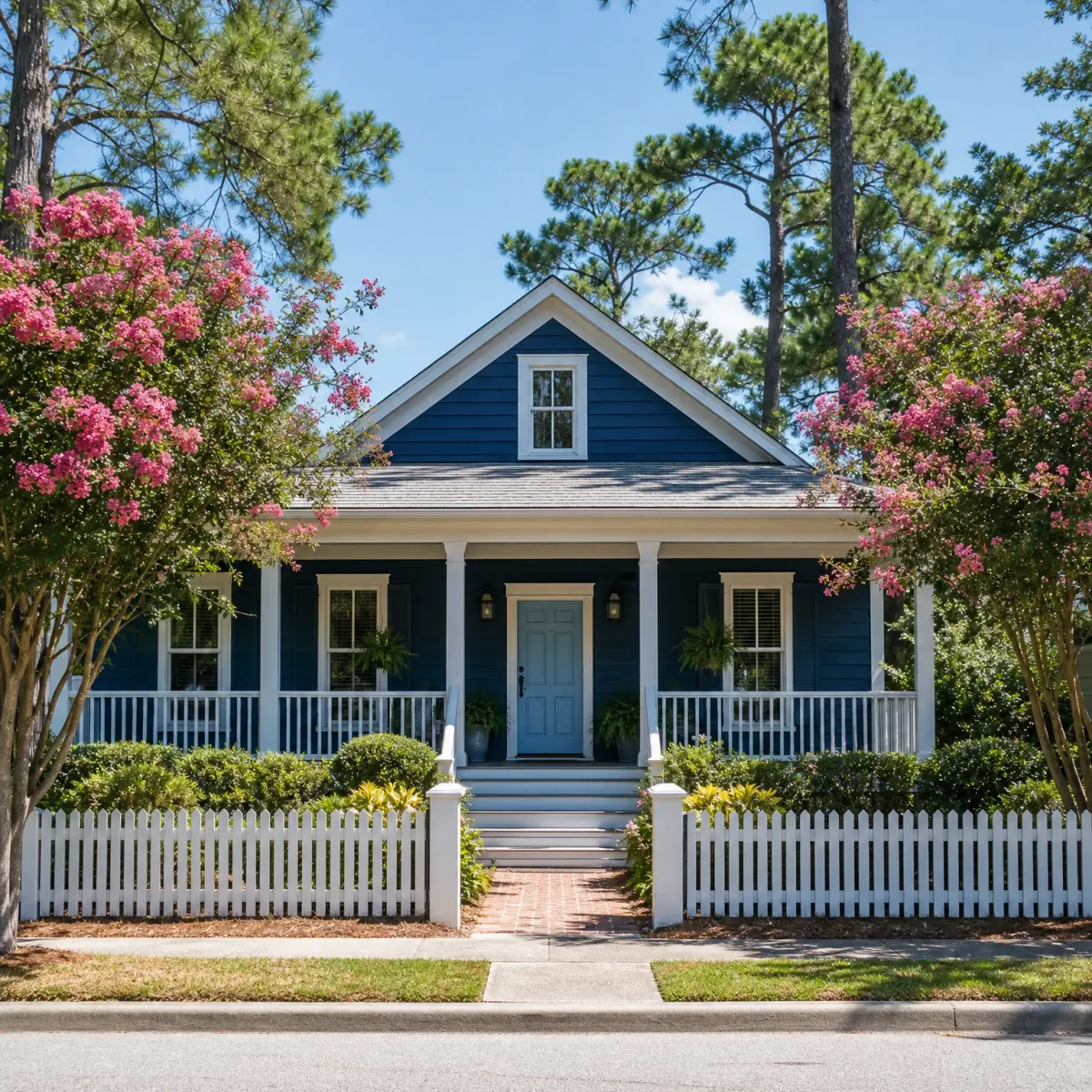
A single-story blue cottage with white trim, a covered front porch with columns, a light blue front door and a gable dormer window, fronted by a white picket fence, trimmed hedges, a brick walkway, and flanked by pink-flowering crape myrtle trees under pines and clear sky.

Common questions about heat pumps and furnaces

  • Will a heat pump keep my house cool enough here?

    Yes. A heat pump is a central air conditioner in the summer, running the same cooling cycle one would, and the afternoon only hits 90°F or above on about 80 days a year here, under a quarter of the year. It handles the other side of the year too, five months of heat from November through March.

  • Can I keep my furnace and add a heat pump?

    Yes, that pairing is called a dual fuel system. The heat pump handles the heating on most nights, since only about 50 of the roughly 150 nights in the heating season drop to freezing or below, and the furnace kicks in on the coldest nights when it can recover the house faster.

  • What if my house doesn't have a gas line?

    A heat pump is the straightforward choice. It runs on electricity, not gas, so there is no line to run or propane tank to keep filled, and electricity already heats close to seven in ten homes in Lauderdale County. It also covers your cooling, so you are not buying two systems.

  • Is a heat pump cheaper to run than a furnace in Lauderdale County?

    Yes, by a small margin. A heat pump runs $1.79 per 100,000 Btu of heat here against $1.88 for a gas furnace, at Mississippi's average fuel prices. The gap is small enough that either is a reasonable bet on cost alone, so the choice comes down to what else you want from the system.