A illuminated white antebellum-style house with a wraparound porch, white columns, and Spanish-moss-draped oak trees, photographed at dusk.

Furnace Repair in Meridian, MS

Tell us about the job

Takes about a minute. No obligation.

RepairFurnace or heatingLauderdale County, MS
Step 1 of 2

What ZIP code is the job in?

The igniter wears out before anything else does

A furnace cycles its igniter on and off every time it starts, and that part is brittle by design. It ages a little more with each cycle until it cracks or stops glowing hot enough to light the gas. When a furnace runs but won't stay lit, or won't light at all, the igniter is the first thing worth checking.


A dirty flame sensor gets blamed on other parts

The flame sensor tells the control board that gas is actually burning, and soot builds up on it over time until it can't do that job anymore. The furnace reads this as no flame and shuts itself down as a safety measure, even though the burner lit just fine. That shutdown can look like something else is wrong, which is why this part gets overlooked.

5 months
November through March, your furnace is on duty
37°F
the average winter night it heats against
4 winter storms
in ten years, the nights a failure hurts most
Isometric cutaway illustration of a single-story house showing interior rooms with a dark furnace unit, connected ductwork, a vertical flue pipe through the roof, and simple furniture, on a white background.
Your furnace works hardest from November through February.

NOAA nClimDiv, 1991–2020 normals

Furnaces in Lauderdale County only run about five months a year, November through March.

A furnace with that little work behind it is usually sound, so a repair is worth making.

Half these homes were built by 1979, but that's not what's breaking your furnace

Half the homes here were built by 1979
Heat runs November through March
Winter nights average 37°F
Furnace repair, right before the cold sets inFurnace season in Lauderdale County runs November through March, and the first cold snap is when weak parts give out.

A furnace that's struggling doesn't do itself any favors by keeping running. A cracked heat exchanger gets worse under heat, not better, since the metal expands a little more each cycle and the crack can grow. A blower motor with failing bearings heats up as it strains, and that heat breaks the bearings down faster than sitting idle ever would. Airflow problems compound too. A furnace choking on a clogged filter runs hotter inside the cabinet, and that extra heat is hard on the heat exchanger and the control board both. None of this means shut it off and wait. It means a furnace acting up now is better looked at now, before whatever's wrong has more cycles to do its damage.

A furnace that light on work is worth repairing

Five months of work a year is light duty. A furnace running that schedule usually has years left in it, so a stuck igniter or a tripped sensor is almost always worth fixing rather than replacing.

Find a contractor
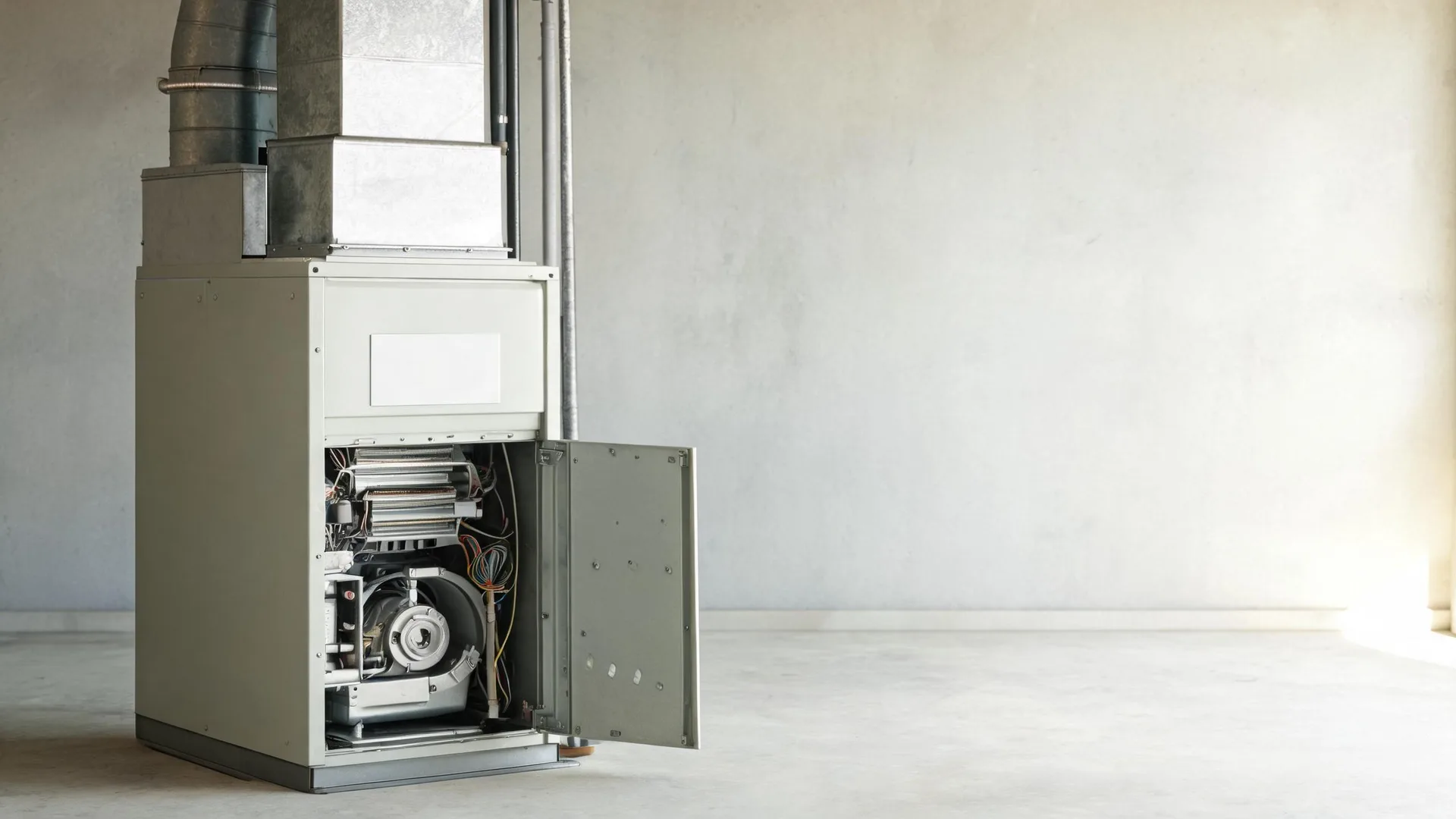
A gray gas furnace with attached ductwork and piping installed in an unfinished concrete basement.

Every cycle leaves a mark somewhere

A diagnostic visit starts before any panel comes off. A tech will ask what the furnace was doing right before it quit. Did it run rough for a while, or just stop cold. Is the thermostat even calling for heat. That history narrows things down fast. From there it's a sequence. Check that power and gas are both reaching the unit. Watch a full cycle if it'll run one. Pull the panel and look at the igniter and flame sensor directly. A furnace that's run for years of winters has been through thousands of start cycles, and that's exactly where the wear shows up first.

Short cycling wears out more than it looks like

A furnace that fires up, runs a few minutes, then shuts off and starts again isn't just annoying. Each short cycle is a full start sequence, igniter and all, so a furnace doing this is aging its own parts faster than one that runs a normal length cycle. It's also a sign something else is already wrong, often a clogged filter or a blocked vent choking off airflow.

Strange sounds mean something specific, not just old age

A bang at startup usually means gas is building up before it catches, which points to a dirty burner or ignition delay. A grinding or rattling sound points to the blower motor or its bearings. A furnace making a new noise isn't being quirky. Something inside is loose, worn, or not burning the way it should, and the sound usually tells you which.

Before anyone comes out, a few things are worth checking. Make sure the thermostat is set to heat and the temperature is actually set above room temperature, not just sitting there. Check the furnace switch, the one that looks like a light switch near the unit or on it, and make sure it hasn't been bumped off. Look at the breaker for the furnace too, since a tripped breaker will stop it cold with no warning sound. If the furnace has a standing pilot, see if the pilot light is actually lit. Change the filter if it looks gray or clogged, since a blocked filter chokes off airflow and can cause the furnace to shut itself down on its own. None of this takes tools, and it rules out the simple stuff before paying someone to find it.

Most furnace repairs are worth doing. A furnace is a simple machine underneath it all. It lights, it burns, a blower pushes the heat through the house, and it shuts off. Any one piece of that chain can fail on its own without the rest being touched. That's why a cracked igniter or a dirty sensor doesn't usually mean trouble for the cabinet, the heat exchanger, or the blower motor. Replacement starts to make sense when the heat exchanger itself is cracked, since that part isn't something a tech swaps out on its own. It also makes sense when the same failure keeps coming back after being fixed. Short of that, a furnace that's heated a house for years without trouble was built well and installed right, and a failed part doesn't erase that history.