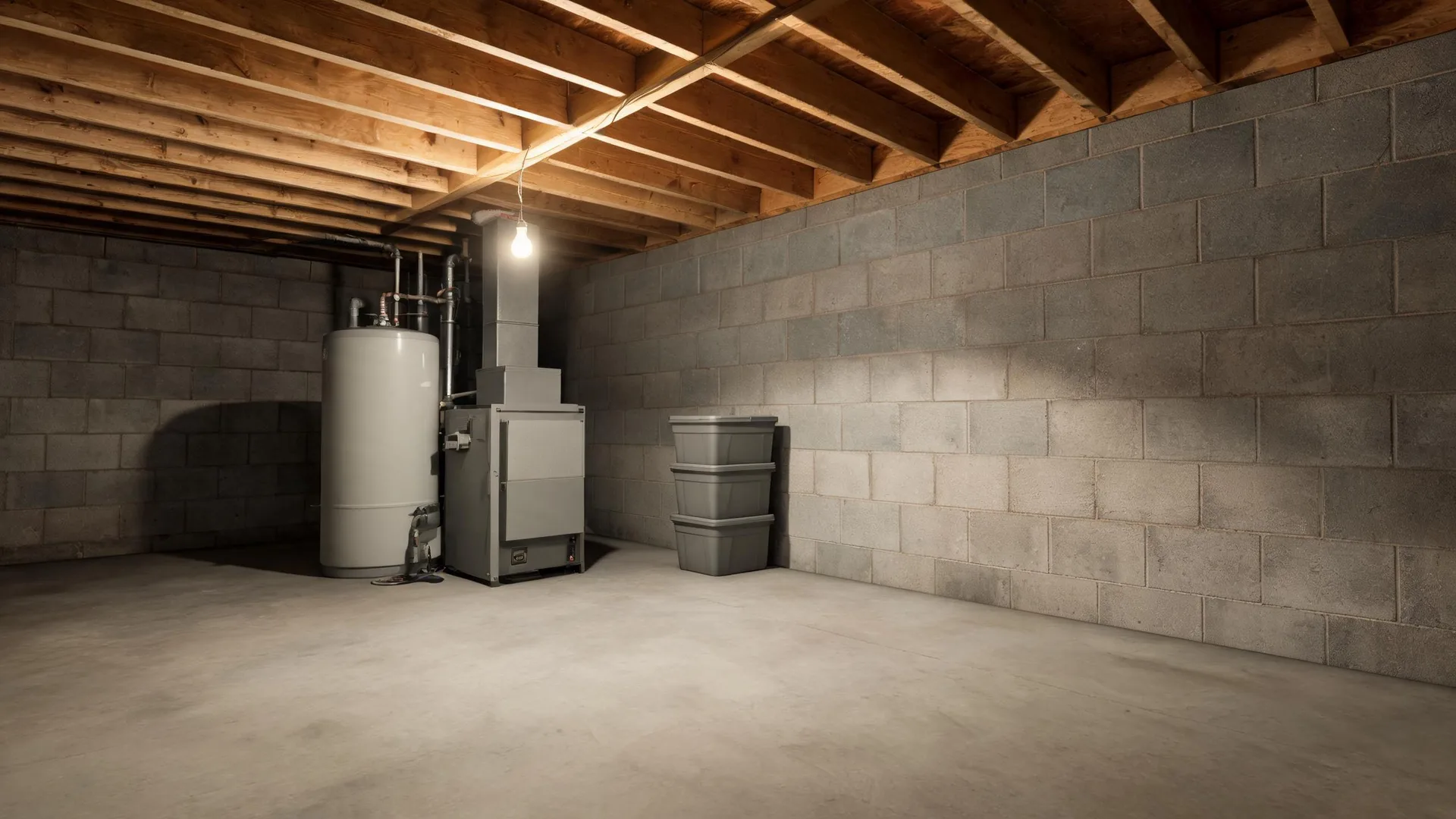
Weather here is hard on equipment
Lauderdale County logged 174 severe weather events between 2015 and 2024, including damaging wind, tornadoes and hail. A furnace install should account for that, especially anything mounted or vented outside.
Takes about a minute. No obligation.
Lauderdale County logged 174 severe weather events between 2015 and 2024, including damaging wind, tornadoes and hail. A furnace install should account for that, especially anything mounted or vented outside.
Nearly a third of Mississippi households lost power for 24 hours or more in 2024. A furnace needs electricity to run even on gas, so an outage means no heat unless you've planned around it, with a generator hookup or another backup.
NOAA nClimDiv, 1991–2020 normals
Most homes in Lauderdale County heat with electricity, at 69.8 percent.
A straight electric furnace replacement is the simplest path if that's what your house already has.



Heat goes on here in November and runs through March, about five months straight. October is the month to get a new furnace in. Wait until the first cold snap and you're scheduling around whatever opening a contractor has left, not the one that works for you. Get it done in October and the furnace is tested and running before it has to carry the house through a cold night.
Half the homes in Lauderdale County were built in 1979 or earlier, half after. That split doesn't point toward a bigger unit or a special one. A furnace sized and rated for a standard home here does the job either way, whether the house is older or newer. The same goes for mobile homes, which make up about 16 percent of the housing stock. There's a furnace built for that kind of install too, not a bigger or pricier one.
Find a contractorFive months of heat a year, and overnight lows averaging 37 in December, January and February. That's not hard duty. A furnace sized for this house will cycle on and off through a mild winter night, not run flat out trying to keep up. Less strain means a well-built standard furnace holds up fine here. You don't need to pay for the top efficiency tier or oversized capacity to handle a cold this doesn't get.
A contractor works out the right size by figuring how much heat the house actually loses, through its walls, windows and ceiling. Square footage alone doesn't tell you that. Houses the same size can need different sized furnaces depending on how they're built, so matching whatever was there before can carry the same mistake forward instead of fixing it.
A furnace that's too large heats the house fast, shuts off, and starts again a few minutes later instead of running a long, steady cycle. That short cycling wears the igniter and blower harder and leaves rooms far from the furnace colder than the one next to it. Bigger isn't a cushion. It's a furnace working wrong in a different way than one that's too small.
The efficiency rating on a furnace tells you how much of the fuel it burns turns into heat in the house, versus how much goes out the flue. A furnace with a lower rating sends more heat up the vent than one with a higher rating does. That rating doesn't change how big a furnace needs to be or how evenly it heats the house. It only changes how much fuel it uses to make the same heat over the course of a winter. A furnace with a higher rating usually costs more up front and needs a different venting setup, since the exhaust runs cooler and can't just rise up a metal flue the way the older style does. Weigh that against how many months a year the furnace actually runs before deciding which end of the range makes sense for this house.
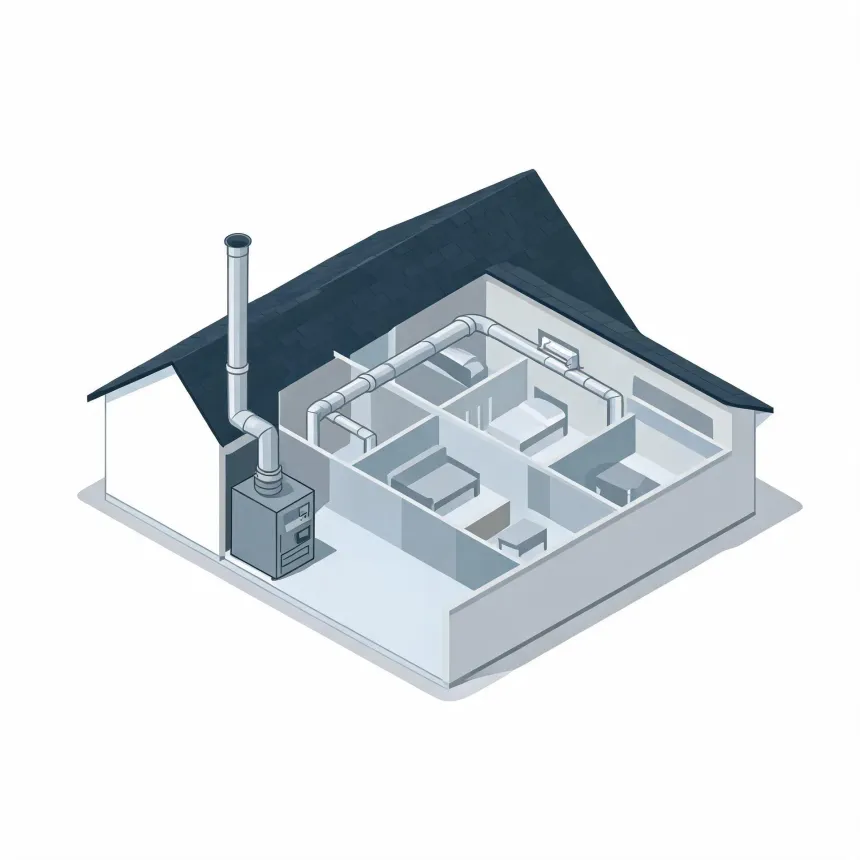
Installation day starts with the old furnace coming out, and that alone can take a few hours if the ductwork or gas line needs any rework to meet the new unit's connections. The contractor sets the new furnace, runs the gas line, the venting and the electrical to it, then connects it to the existing ductwork. Once it's hooked up, they test the ignition, check the gas pressure, and run the blower to see that air is moving the way it should through every room. A combustion analyzer gets used to check the exhaust and make sure the furnace is burning clean and venting correctly. Before anyone leaves, the system should run a full cycle, heating up and shutting off on its own, so you can see it do the job before you're left with it for the winter.