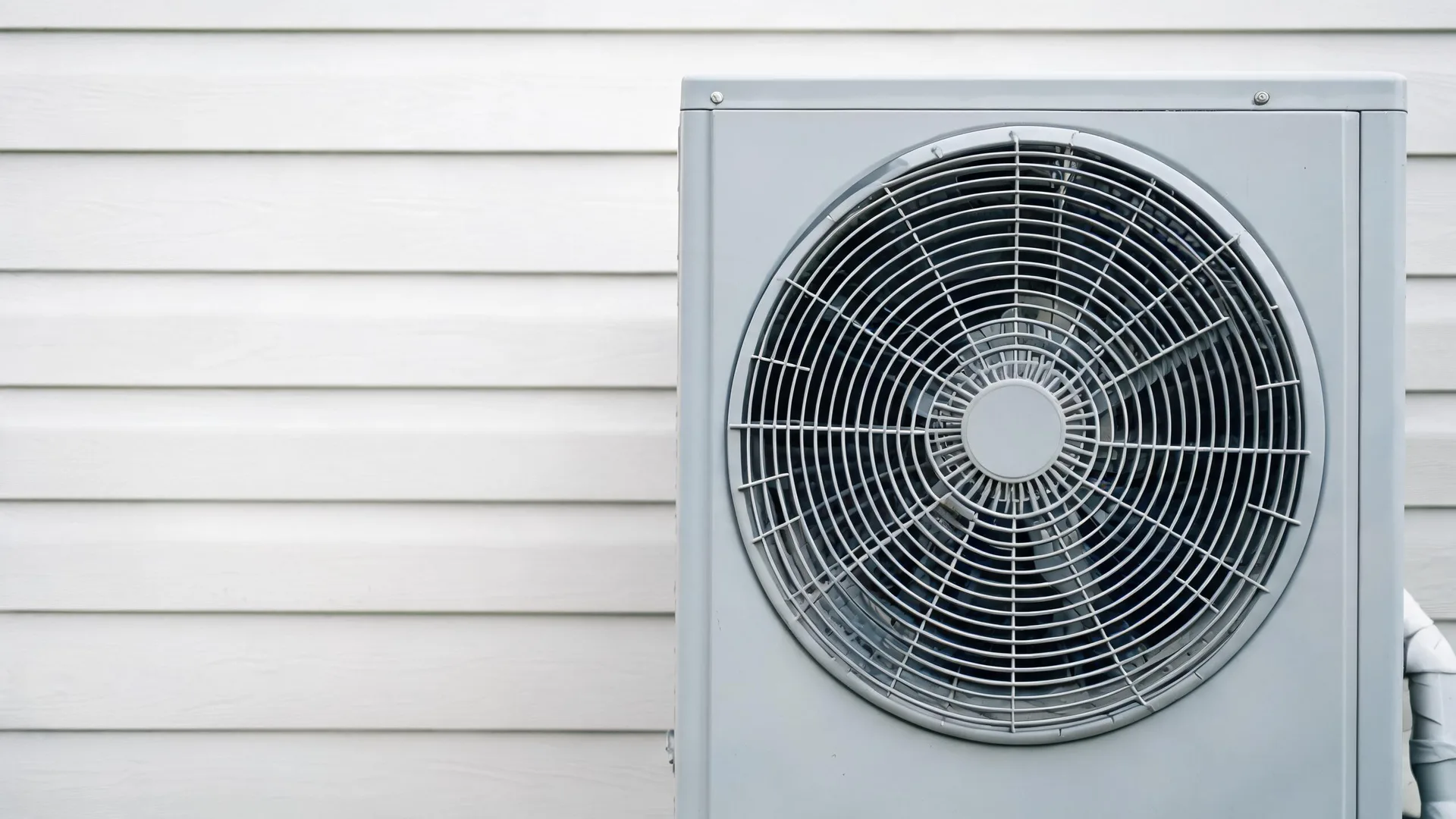
Most homes here run on electric heat
Electricity heats 53.7% of homes in Alcorn County, more than gas and propane combined. A heat pump fits right into that setup since it runs on the same electric service the old system used.

Takes about a minute. No obligation.
Electricity heats 53.7% of homes in Alcorn County, more than gas and propane combined. A heat pump fits right into that setup since it runs on the same electric service the old system used.
Utility gas heats 35.7% of homes here, and bottled or LP gas heats another 9.2%. If your home is one of those, a contractor can tell you whether a heat pump works alongside the furnace you have or replaces it outright.
NOAA nClimDiv, 1991–2020 normals
Electricity in Mississippi runs 13.39 cents per kilowatthour, cheaper than most of the country.
The payback on the priciest, highest-efficiency heat pump stretches out here, so picking one that fits the house right matters more than chasing the top rating.



September is worth marking on the calendar. Heat here starts up in October and runs seven months, clear through to April, so a heat pump going in before the weather turns gets to be set up and tested without anyone standing around in the cold waiting on it. Wait until the first cold snap and you're choosing a system the same week you need it running. May matters the same way on the other end, since cooling starts then and runs through September. A unit installed in September is doing both jobs within a year, so there's no slow season to ease into it.
Alcorn County has seen its share of rough weather, 29 damaging wind events and 10 hail events over the past ten years, plus a handful of tornadoes and winter storms. None of that calls for oversizing a heat pump or stepping up to a pricier model. A unit sized to the house handles what the weather here brings. Power outages are common enough in Mississippi that it's worth asking a contractor how a heat pump responds when the power comes back on.
Find a contractorA heat pump that's too big cycles on, satisfies the thermostat fast, and shuts off again before it's pulled the moisture out of the air or warmed the place evenly. That short cycling is hard on the compressor too, since it's the start-up that wears on it most, not the running. Too small and it never cycles off at all during the coldest or hottest stretches, running flat out and still falling behind. Sizing comes from a load calculation, a room-by-room look at square footage, window area, insulation and how the house faces, not a rule of thumb based on the old system's size. A contractor doing this right measures the house. One doing it wrong just matches the tonnage of whatever is being replaced.
The efficiency number on a heat pump's label comes from testing across a range of outdoor temperatures, not one single condition. A unit can carry a strong rating and still work hard on the coldest nights, because the label reflects mild days and cold ones averaged together. A heat pump with a lower rating but a better low-temperature design can end up more comfortable to live with than one that only wins on the label.
A higher rating usually means a better compressor and tighter refrigerant control, and that costs more at the register. None of that changes what size unit the house needs. Sizing comes from the house itself, not from the rating on the box. A correctly sized unit with a modest rating will outperform a top-rated one that's the wrong size for the rooms it's heating and cooling.
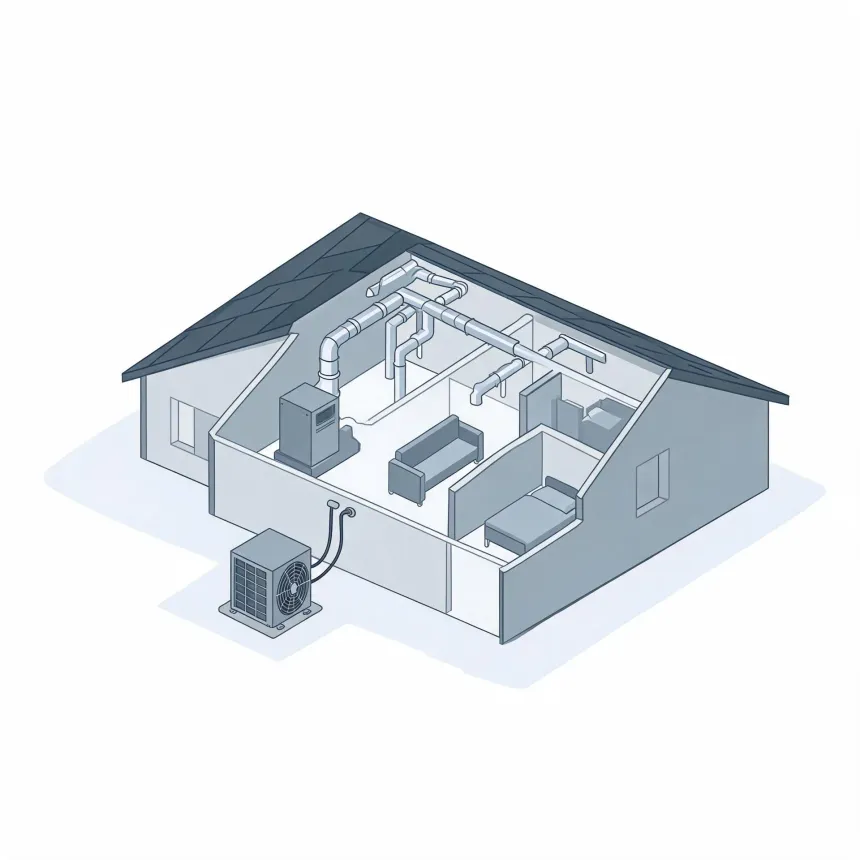
The old furnace or AC doesn't need to come out before the heat pump goes in. A contractor disconnects the power and refrigerant lines, pulls the indoor and outdoor units, and takes the old equipment with them when the job's done. If the old system ran on gas and the new heat pump is replacing it outright, the gas line gets capped off properly, not just left alone. Ductwork usually stays as is, though a contractor checks it for leaks or sizing issues while things are already opened up, since a heat pump moves air differently than a furnace did and it's worth catching problems before the new unit is running through them. None of this adds much time to the job. It's worth asking upfront whether haul-away and disposal are included, since that's sometimes handled separately.
Install day starts with the outdoor unit and indoor coil going in, then the line set connecting them gets brazed, pressure tested, and checked for leaks before anyone opens a valve. The system gets evacuated with a vacuum pump to pull out moisture and air, since either one left in the lines ruins the refrigerant's ability to do its job. Once it's charged, the contractor runs it through both modes, heating and cooling, and checks the charge against the manufacturer's numbers rather than just feeling if air is coming out cold or warm. The thermostat gets wired and programmed last, and most contractors walk through it with whoever's home before they leave. A straightforward swap, same ductwork, same location, takes less time than one where the old equipment needs rerouting or the electrical panel needs attention first.