






A illuminated white antebellum-style house with a wraparound porch, white columns, and Spanish-moss-draped oak trees, photographed at dusk.

Heat Pump Installation in Columbus, MS

Tell us about the job

Takes about a minute. No obligation.

New system or replacementHeat PumpLowndes County, MS
Step 1 of 2

What ZIP code is the job in?

Zone 3A covers Lowndes County under the 2021 energy code, and any split-system heat pump installed new has to hit at least 14.3 SEER2 and 7.5 HSPF2. Those are federal minimums, not local extras, so every unit on the market here is built to clear them. The cooling side matters more than the heating side in this climate, since summers run long and winters stay mild. A contractor sizing a system for your house still has to account for Columbus humidity, which keeps the air conditioner working even when the temperature alone looks manageable. Ask what SEER2 and HSPF2 a quoted system carries before you compare prices, since a unit sitting right at the minimum is a different purchase than one built past it.

5 months
November through March, your system heats
5 months
May through September, it cools
35°F
the average winter night it heats against
91°F
the average summer afternoon it cools against
Isometric cutaway illustration of a small house showing interior rooms with furniture, an indoor air handler with flexible ducting, and refrigerant lines running to an outdoor condenser unit beside the building.
Your system heats November through March and cools May through September.

NOAA nClimDiv, 1991–2020 normals

Most homes in Lowndes County heat with electricity, at 62.5%.

A heat pump replaces that straight across, same fuel, same panel, no gas line to add.

October is the month to get a heat pump in, before heat season starts

Cooling runs May through September
Heat runs November through March
110 damaging wind events from 2015 to 2024

Mississippi electricity ran 13.39 cents per kilowatt-hour in 2024, below what most of the country pays. That changes how to think about a heat pump purchase here. A model with a higher SEER2 number costs more upfront, and the cheaper power means it takes longer to earn that money back in lower bills. This isn't a reason to buy the minimum. It's a reason to put the weight on reliability and the right size for your house rather than chasing the highest efficiency number on the sticker. Ask a contractor to size the unit to your home first, then talk about which efficiency tier makes sense.

Lowndes County weather doesn't go easy on a heat pump

Damaging wind hit Lowndes County 110 times between 2015 and 2024. A heat pump here runs most months of the year and has to come back fast after storms knock the power out. Get the size right and weigh more than one option before deciding.

Find a contractor
A man seen from behind in a grey shirt and tan work pants climbs stone steps toward a blue front door, carrying a canvas tool bag with hand tools in its side pockets, beside a blue planter with a small shrub.
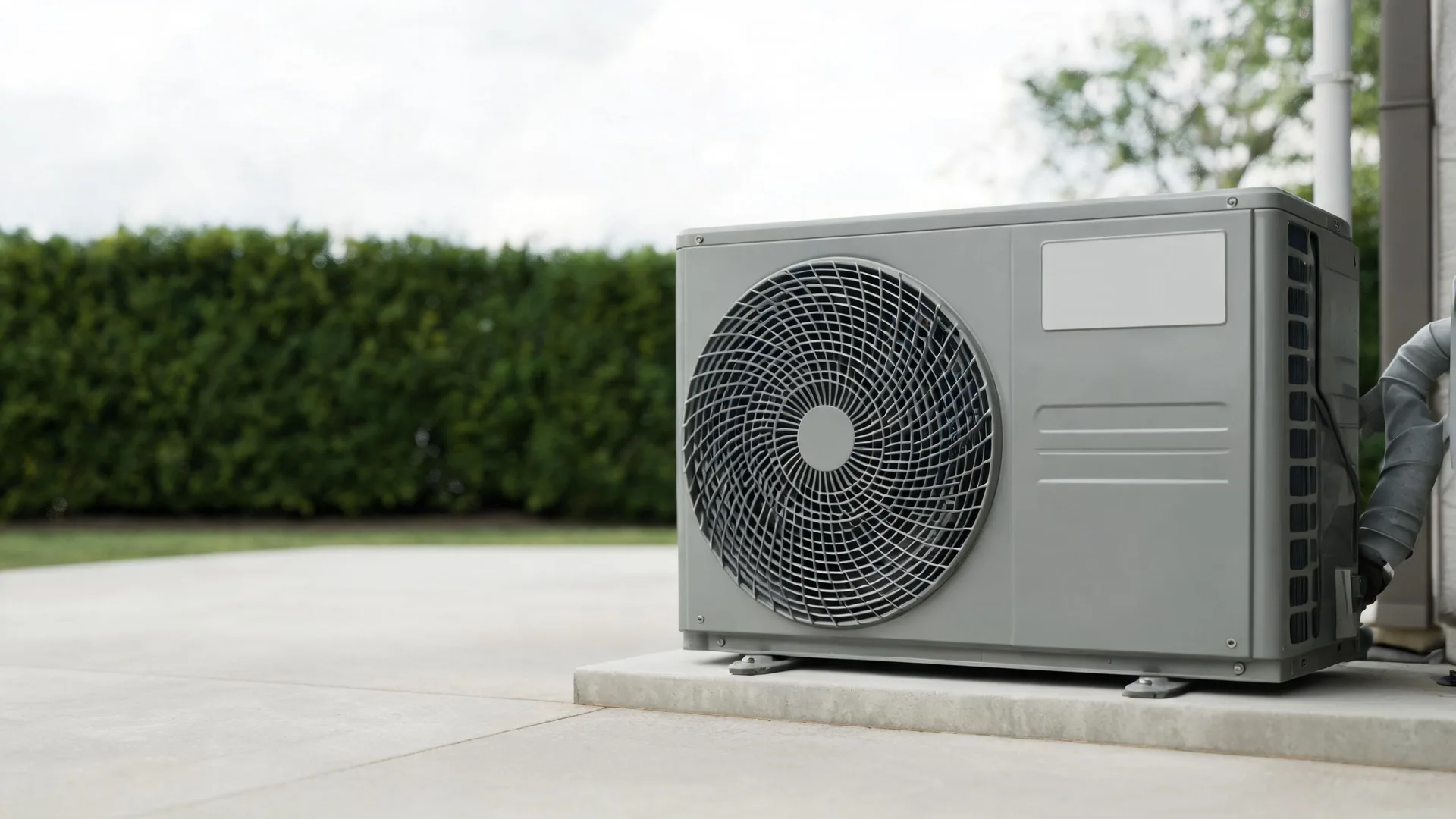
A residential heat pump outdoor unit mounted on a concrete pad next to a house with gray vinyl siding.

This runs day and night for most of the year, so sizing it right matters more here

Day into night, this is what the unit is up against here for most of the year, not just a few peak weeks. That kind of runtime adds up on the compressor and the outdoor coil faster than it would somewhere with a real off season. A contractor sizing the replacement should be weighing that daily load, not just matching the number on the old unit's nameplate. Get more than one opinion on the size before you sign anything.

Your old system gets disconnected and hauled off

A contractor disconnects the old condenser and air handler, recovers the refrigerant from the lines, and removes the equipment from the property. Refrigerant can't just be vented into the air, so it has to be pulled out with recovery equipment before anything gets disconnected. The old unit doesn't get left behind for you to deal with.
The new unit rarely uses every old part

A heat pump swap often keeps the ductwork and sometimes the line set, but the outdoor unit, indoor coil, and thermostat usually get replaced as a matched set. Mixing an old coil with a new condenser can keep the system from hitting its rated efficiency, so a contractor checking what stays and what goes is doing you a favor, not padding the job.

SEER2 and HSPF2 tell you how much heat a system moves for the power it draws, not how warm or cool your house will feel. A higher number usually means a variable-speed compressor or a bigger coil that doesn't have to strain to do the same job. That rating comes from a lab test under fixed conditions, so it's a way to compare one unit against another, not a promise of what shows up on your power bill. Systems carrying the same rating can still behave differently once installed, depending on the ductwork and whether the unit was sized right for the house. The rating is also fixed to that model from the factory. It doesn't change after installation, so the choice is which tier to buy, not how to tune it later.

The equipment on the truck is one line on the invoice, not the whole job. Labor to set the condenser, mount or replace the air handler, and run electrical to both ends of the system usually costs as much as the hardware itself. Ductwork is where estimates spread apart. If the existing ducts are sealed and sized right, a contractor connects to them and moves on. If they're leaky, undersized, or feeding rooms unevenly, bringing them up to what the new system needs adds real work before the heat pump itself goes in. A line set that has to run further or through tight framing takes more time than one that drops straight down from roof to pad. Electrical is the other variable. A panel with room for a new circuit is a quick tie-in. A panel that's already full means an upgrade before the heat pump can be powered at all. None of this shows up on the sticker price of the unit, and it's why homes with the same system installed can still end up paying different amounts for the job.