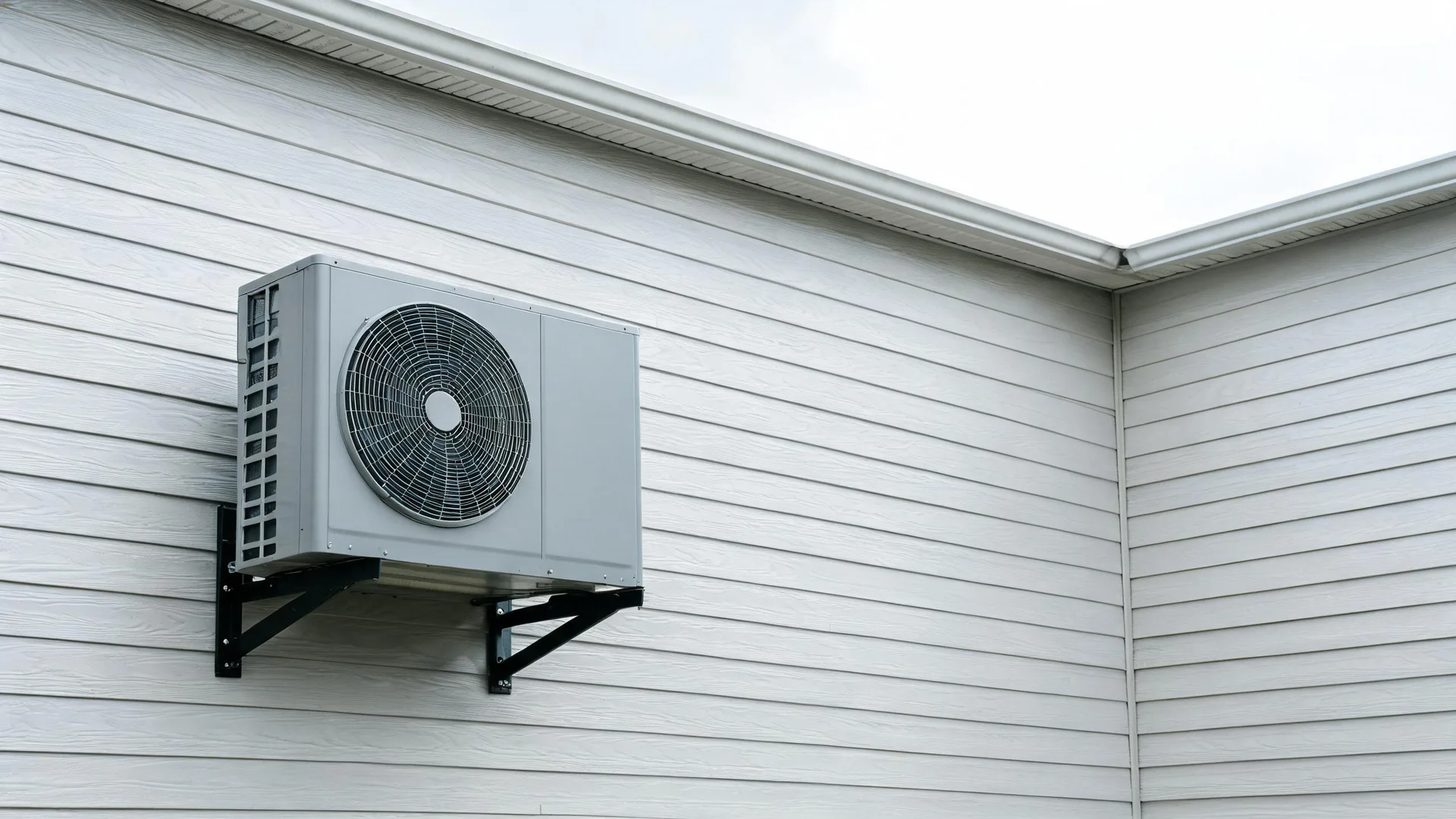
A grey air-source heat pump outdoor unit mounted on a concrete pad next to a modern white-rendered residential house.

Heat Pump Installation in Gulfport, MS

Tell us about the job

Takes about a minute. No obligation.

New system or replacementHeat PumpHarrison County, MS
Step 1 of 2

What ZIP code is the job in?

Bigger isn't better

A heat pump that's too large for the house cools the air fast and shuts off before it pulls the moisture out. The result is a house that feels clammy even though the thermostat says it's satisfied. An oversized unit also cycles on and off more, and that wear adds up on the compressor over the years.


How the contractor sizes it

The contractor works out the heat load room by room, looking at square footage, window area, insulation, and how the house is laid out. This is the same calculation whether the home is getting its first heat pump or replacing one that's failed. The number that comes out of it tells the contractor which unit size actually matches the house, not just which one fits the budget.

5 months
November through March, your system heats
6 months
May through October, it cools
42°F
the average winter night it heats against
90°F
the average summer afternoon it cools against
Isometric line illustration of a cutaway single-story house showing interior rooms with furniture and ceiling ductwork, connected to an outdoor condenser unit on the ground outside the left wall.
Your system heats November through March and cools May through October.

NOAA nClimDiv, 1991–2020 normals

Electricity heats 76.3% of homes in Harrison County.

A heat pump replacing an electric furnace or electric coils is working with wiring the house already has.

Cheap power here means payback takes longer, so pick the heat pump for what it can take, not just what it saves

Power costs 13.39 cents a kWh statewide
Climate zone 2A
Cooling runs May through October

Gulfport sits in climate zone 2A, a hot, humid zone where cooling carries most of the load through the year. Any split-system heat pump installed here new has to meet 14.3 SEER2 for cooling and 7.5 HSPF2 for heating at a minimum. That cooling number is already higher than what a manufacturer has to meet nationally for smaller central air units, because the Southeast carries its own, stricter line. A contractor quoting a system below those numbers isn't quoting for this region. The federal credit on offer doesn't change what the house needs, only what the upgrade costs to get there.

Have the new heat pump in before November

Heat here runs November through March, and cooling picks back up in May. Putting the new system in during October, the month before heat season starts, means it's not getting sized and installed while the house actually needs it running.

Find a contractor
A man in a cap, dark shirt and cargo pants, seen from behind, carries a canvas tool bag up wooden porch steps toward a blue front door.
A gray air-source heat pump mounted on a concrete pad next to a house with gray vinyl siding, surrounded by gravel and flanked by green shrubs and white hydrangea flowers.

The label tells you how hard it has to work, not how big it needs to be

The SEER2 and HSPF2 numbers on the label describe one thing. How much electricity the unit uses to move a given amount of heat. A higher SEER2 means less power spent per hour of cooling. A higher HSPF2 means the same for heating. Neither number says how big a house the unit can handle. That's a separate calculation, done room by room. A heat pump can carry a strong rating on the label and still perform differently once it's installed, because the rating comes from a lab test, not from the ductwork and layout of a particular house. What the rating does tell you is how hard the compressor has to work to deliver comfort over the years it runs. A unit rated higher for efficiency tends to run longer, steadier cycles instead of short, hard bursts, and steadier running puts less strain on the compressor over its life. Installed correctly, a higher-rated heat pump earns back more of itself the more it runs, heating and cooling both.

The unit itself is one line on the quote

The compressor, the coils, the refrigerant lines and the new thermostat are a known cost before anyone shows up. What varies is everything around that equipment. Whether the existing ductwork can take the new system as it sits. Whether the electrical panel has room for the circuit a heat pump draws. Where the outdoor unit can go and how far that puts it from the indoor coil. Houses buying the identical heat pump can end up with different jobs once the contractor looks at what's already there.

Removing the old system is part of the job

Pulling out equipment that sits in the same spot, tying into the same ductwork and the same electrical, is the plainest version of a heat pump changeout. The work grows when the old furnace or air conditioner ran on a different fuel, or used ductwork sized for a different kind of system than a heat pump needs, or when the line set between indoor and outdoor units has to find a new path. None of that shows from the street. It shows once the contractor opens the panel and traces the ducts, which is why the quote comes after the walkthrough and not before it.

The old outdoor unit and indoor coil get disconnected and hauled off once the new system is in place. Before that happens, the refrigerant inside has to be recovered into a tank, not vented, because releasing it into the air is against the law. If the house is moving from a furnace and separate air conditioner to a heat pump, the furnace comes out too, along with any flue or vent pipe that only existed to serve it. The old thermostat gets pulled and replaced, since a heat pump thermostat reads the system differently than a straight AC or furnace one does. Whatever line set ran between the old indoor and outdoor units either gets reused, if it matches what the new equipment needs, or comes out with the rest. None of this is optional work tacked onto the job. A new heat pump sharing space with a dead one isn't a finished install.

Install day starts with the walkthrough confirmed, not a fresh look around. The outdoor unit goes on a pad or mounting bracket first, set where the line set can reach the indoor coil without too many turns. Inside, the air handler or the coil on top of the furnace gets swapped and the refrigerant lines get brazed to the new equipment, then pressure tested before anything gets charged. That pressure test matters because a joint that leaks slowly can pass a quick look and still lose charge over the first year. Once the lines hold pressure, the system gets evacuated to pull out moisture and air, then charged to the weight the manufacturer specs for that line length. Electrical is its own step, running a new circuit or confirming the old one can carry what the heat pump draws, then setting the new thermostat and wiring it to the system. The last part is running the system in both directions, cooling and heat, checking the temperature split at the vents before anyone calls it done.