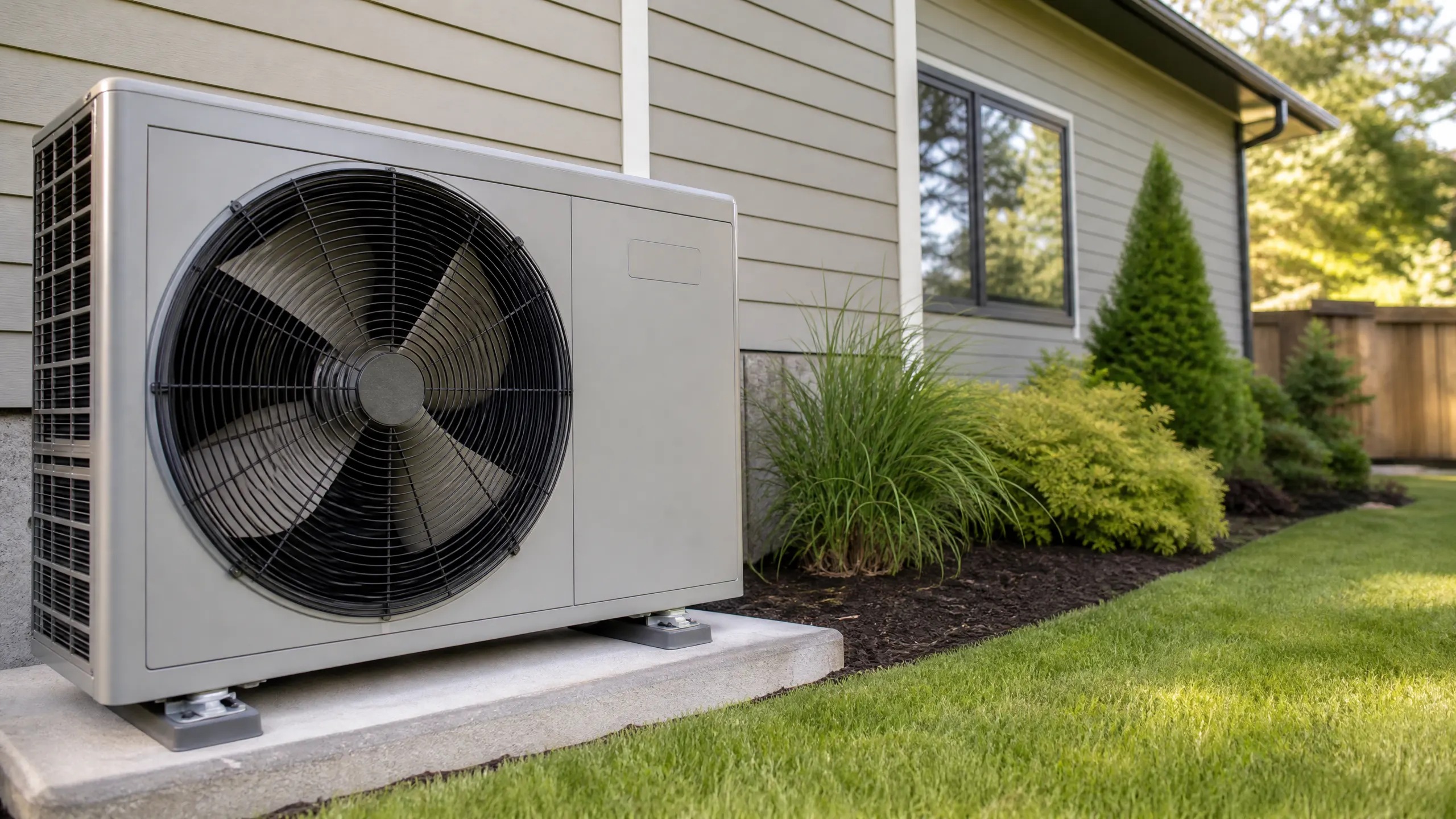






An outdoor heat pump unit mounted on a concrete pad beside a house with beige siding and a landscaped garden bed.

Heat Pump Maintenance in Forest, MS

Tell us about the job

Takes about a minute. No obligation.

Tune-up, service, or cleaningHeat PumpScott County, MS
Step 1 of 2

What ZIP code is the job in?

Scott County saw 144 severe weather events between 2015 and 2024, and most of those were damaging wind. Your heat pump's outdoor unit sits outside year round, taking whatever comes across the yard during a storm. Wind drives debris into the coil and fan, and hail dents the cabinet and bends the fins. None of that always shows up as a breakdown right away, but it changes how hard the unit has to work to move air. Add in tornadoes and the occasional ice storm passing through, and the outdoor unit takes a beating most years. A unit that looks fine from the porch can still have a bent fin or a cracked fan blade worth catching before summer or winter asks more of it.

A heat pump that short cycles, switching on and off every few minutes, is working harder than it needs to.

Short cycling wears the compressor down faster, and a check catches the cause before the compressor fails.

October is for heat checks, April is for cooling, both months before Forest asks the heat pump to work

Cooling runs May through September
Heat runs November through March
Power costs 13.39 cents a kWh statewide
One visit a year covers it hereHalf the homes here were built in 1989 or earlier, and over a third are mobile homes.

A heat pump that never gets looked at keeps running right up until the day it doesn't. The refrigerant charge drifts low and nobody notices because the system still blows air, just not as much heat or cold as it should. The outdoor coil cakes up with dirt and grass clippings and the unit starts pulling warm air through a surface that can't shed heat anymore, so the compressor runs longer to do the same job. That extra strain is what kills compressors, and a compressor is the one part in the whole system that gets replaced rather than repaired. A filter left in too long chokes airflow the same way, forcing the blower motor to push against resistance it wasn't built for. None of this announces itself until the day the unit just stops.

Check it before storm season

Storm season beats up outdoor units here. Have it checked for damage and debris before you need it.

Find a contractor
A man in a cap, gray T-shirt and tan work pants climbs porch steps toward a blue front door, carrying a canvas tool bag in his right hand, with a potted shrub in a blue planter beside the door.
A gray outdoor HVAC unit mounted on a concrete pad beside a house with gray lap siding and a stone foundation.

What you can watch between visits

Between visits, keep the area around the outdoor unit clear. Grass clippings, leaves and mulch pile up against the coil and block the airflow it needs, so give it open space on all sides and keep anything you mow or trim well back from the cabinet. Check the filter and swap or clean it on a regular schedule, since a dirty filter chokes the blower whether the system is heating or cooling. After any storm, walk out and look the unit over. Bent fins, a dented cabinet or debris caught in the fan are worth noting even if the unit still runs. Indoors, make sure vents and returns are not blocked by furniture or rugs. What you cannot check yourself is the refrigerant charge or anything inside the compressor, and that's what the yearly visit is for.

What's underneath gets checked

A tune-up pulls the panel and checks the capacitor and contactor, the parts that start and hold the compressor and fan. A capacitor can read weak long before it fails outright, and a weak one makes the compressor strain every time it starts. None of that shows from outside the cabinet.
The reversing valve gets tested both ways

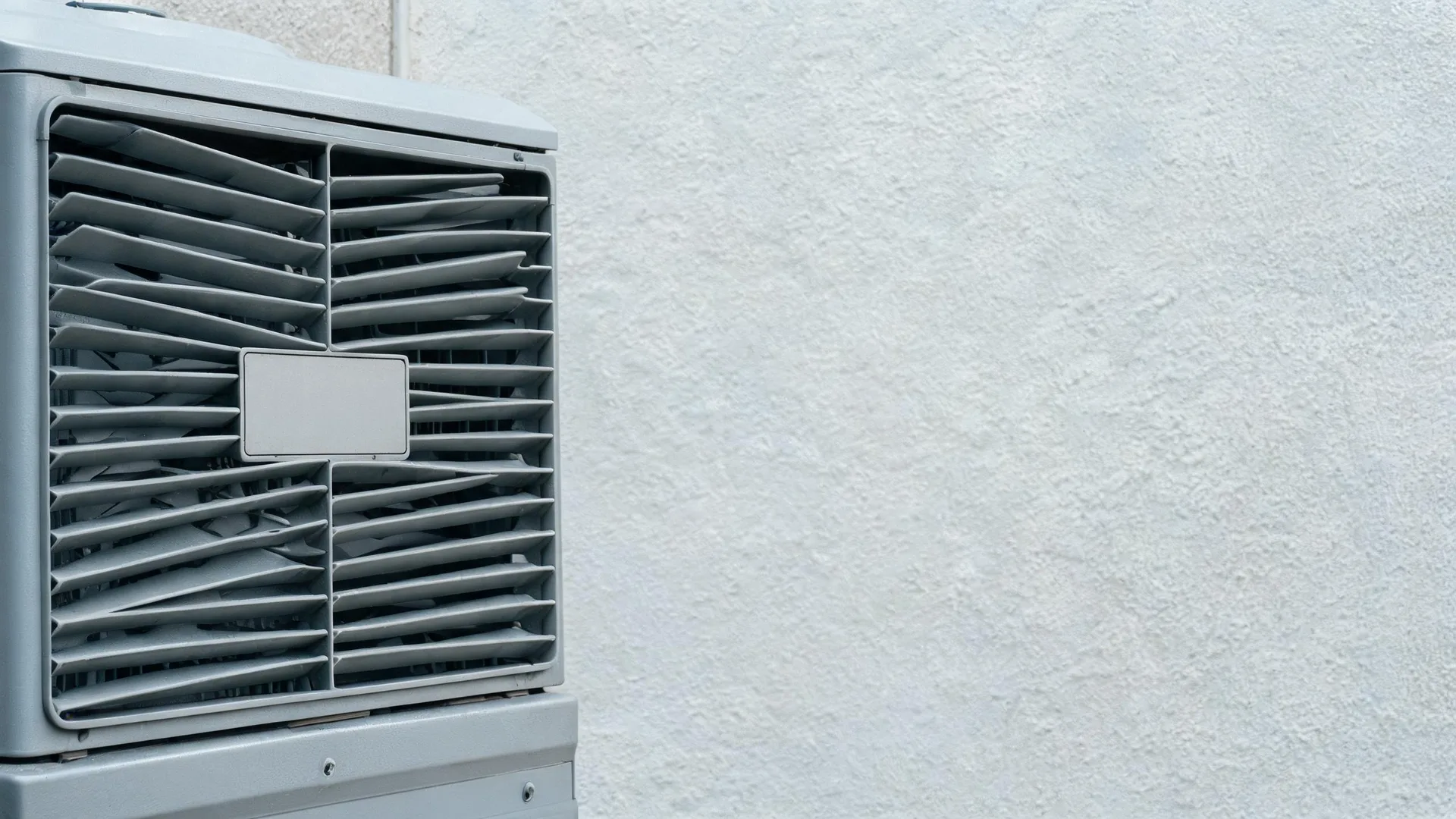
A heat pump's reversing valve is what switches it between heating and cooling, and a valve that's sticking can leave the system stuck in one mode or blowing air that's barely warm. The only way to catch a valve going bad is to run the system in both directions and check it actually switches, which is part of the visit and not something a homeowner can test by feel.

A quick visit checks that the unit runs and calls it done. A thorough one checks that it runs right. That means pulling the refrigerant charge and comparing it against what the system actually needs, not just confirming it has some. It means measuring the temperature split between the air going in and the air coming out, since a system low on charge or short on airflow will still blow air while moving less heat than it should. A real tune-up also checks amp draw on the compressor and fan motor against what they're rated for, because a motor pulling too many amps is wearing out even while it still spins. If the visit skips the gauges and the meter and goes straight to replacing the filter and wiping down the cabinet, most of what actually fails on a heat pump was never checked at all.

A proper tune-up also means pulling the outdoor coil fins straight where they've gotten bent and clearing anything packed between them, since bent fins choke airflow the same as dirt does. The tech checks the defrost cycle too, making sure the unit actually senses frost buildup and switches into defrost and back out again, because a defrost sensor that's failed leaves the outdoor coil icing over until the system can't pull heat from the air at all. Drain lines and the condensate pan get checked for clogs, since a blocked drain backs up and can shut the system down on its own or let water sit where it shouldn't. Electrical connections at the disconnect box and inside the unit get tightened, because a loose connection heats up under load and is a common reason units fail even when every part inside is otherwise fine. None of that shows up on a visit that only wipes down the cabinet and checks that air is moving.