
Heat pump vs furnace in Scott County, Mississippi

Get a Local Quote

See real numbers before you choose

A man in a blue shirt kneels in a basement to work on an open furnace with ductwork overhead, beside a black tool bag filled with hand tools.

Tell us about the job

Takes about a minute. No obligation.

New system or replacementScott County, MS
Step 1 of 3

What kind of equipment?

Which costs less to run in Scott County?

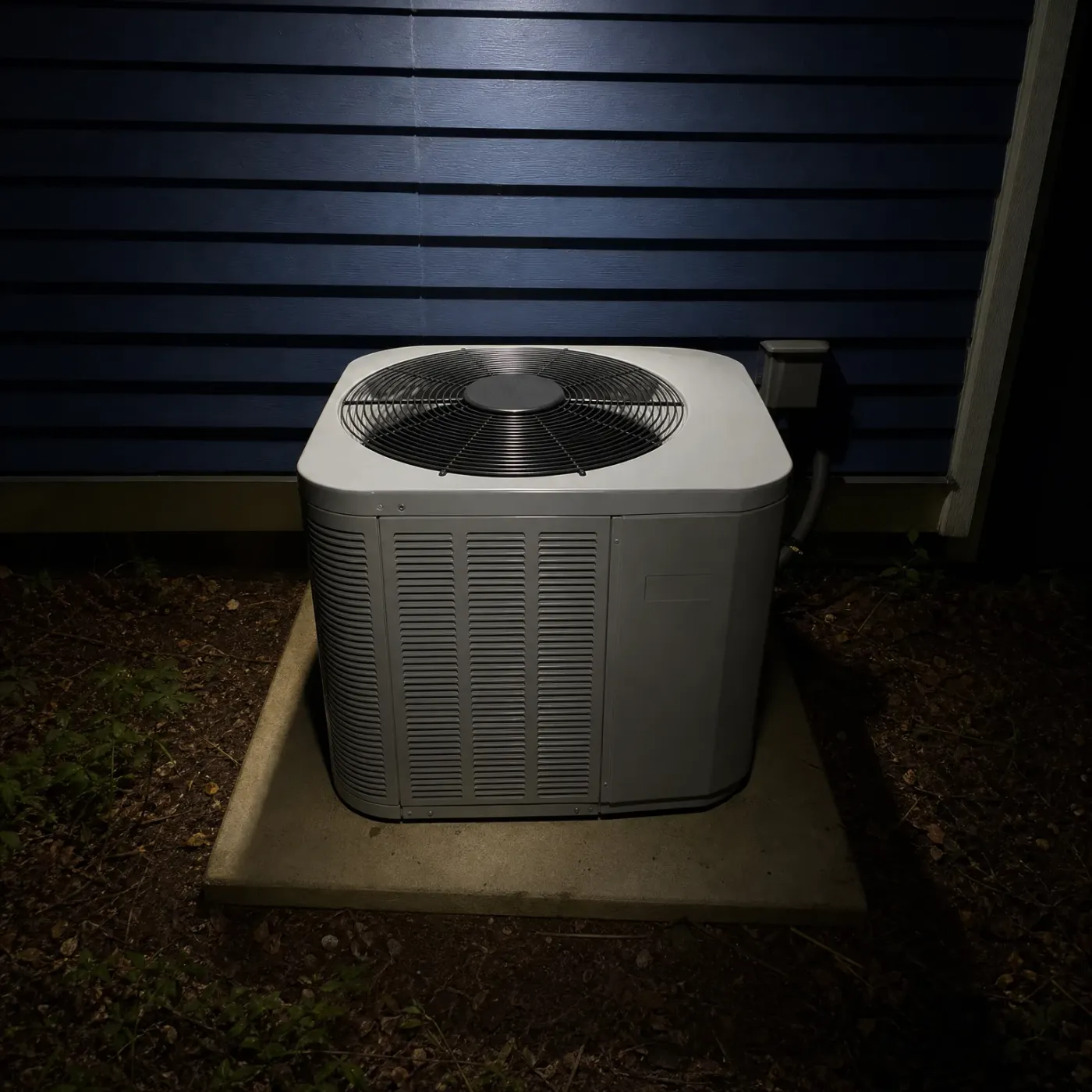
An outdoor air conditioning condenser unit on a concrete pad beside a dark blue horizontal-lap sided wall, lit at night with an electrical disconnect box and conduit on the wall behind it.

Heat pump

To heat your home here$1.79per 100,000 Btu

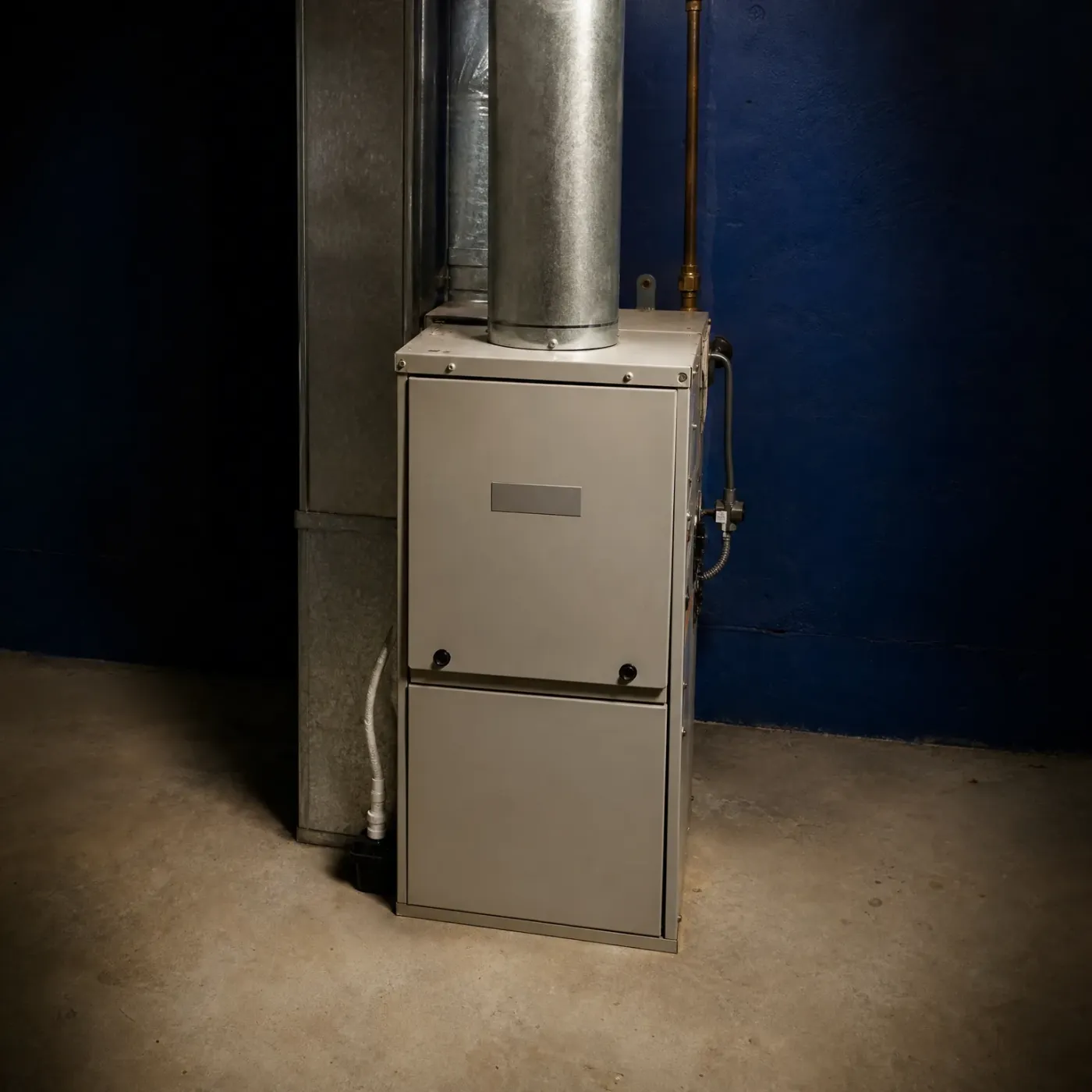
A beige gas furnace with metal flue pipe and ductwork stands on a concrete floor against a dark blue basement wall.

Furnace

To heat your home here$1.88per 100,000 Btu

At Mississippi's gas and electricity prices, a heat pump and a gas furnace cost about the same to run here.

Btu stands for British thermal unit, the standard measure of heat energy.

Where does a heat pump shine?

  • Made for mild winters

    Winter nights here average 36°F, not far below room temperature. A heat pump can pull heat from air that mild without much strain, so it stays efficient through the whole season instead of just the shoulder months.

    Covered front porch of a gray horizontal-siding house with a navy blue door, stone steps, a potted shrub, boots on the mat, and a wooden bench with a striped blanket, with bare trees and low sun behind.
  • Covers a long cooling season

    Cooling runs May through September here. A heat pump is working that whole stretch, so it helps to have one built for cooling from the start.

    A covered porch with a wood-plank ceiling and ceiling fan, navy-cushioned outdoor sofas and chairs, a black round table holding a glass of iced tea and a potted basil plant, a grill and dining set in the background, and green trees beyond.
  • No gas line, nothing burning in the house

    A heat pump runs on electricity alone. Nothing burns inside the house.

    A kitchen island with a white marble-look countertop holding a black glass cooktop, a dark kettle, a blue mug and a striped towel, with navy cabinets, a marble backsplash, a wood shelf of dishes, and a window showing evergreen trees.

Where does a furnace shine?

  • Fast, strong heat on demand

    Turn the heat up and the furnace answers right away. There's no long wait for the house to catch up.

    Entryway with a navy door with a window showing snowy trees, snow-dusted winter boots on a wood floor beside a jute rug, a floor vent under a sheer-curtained window, and a navy bench with a wood top holding a steaming mug and a blanket, with coats hanging above.
  • Pairs with any central AC

    A furnace's blower and ducts carry cooled air too. Adding central AC uses the same system.

    A metal floor register vent set into a wood plank floor beside a sheer white curtain lit by sunlight, with a woven jute rug in the foreground and a dark blue cabinet at left.
  • Proven, simple, easy to get serviced

    Parts are easy to find and most repairs are routine. Getting one fixed rarely means waiting on a specialist.

    A gloved hand holds a white pleated air filter in front of a furnace and shelving in a basement utility area.

What it costs to run both machines here

A heat pump costs a little less to run than a gas furnace in Scott County, $1.79 against $1.88 per 100,000 Btu. That gap is small enough that fuel price is not the reason to pick one over the other here.

Winter is mild enough that the gap stays small. The overnight low averages 36°F across December, January and February, and it only drops to 32°F or below on about 60 nights a year, under half the roughly 150 nights in the five months the heat runs. A heat pump works hardest, and loses the most ground to a furnace, on the coldest nights. Scott County doesn't have many of those.

The furnace only earns its keep for the five months it runs, November through March. A heat pump works those same five months, then keeps working through the five months of cooling, May through September, when the afternoon high hits 90°F or above about 75 days a year. One machine covers both jobs. The other covers one.
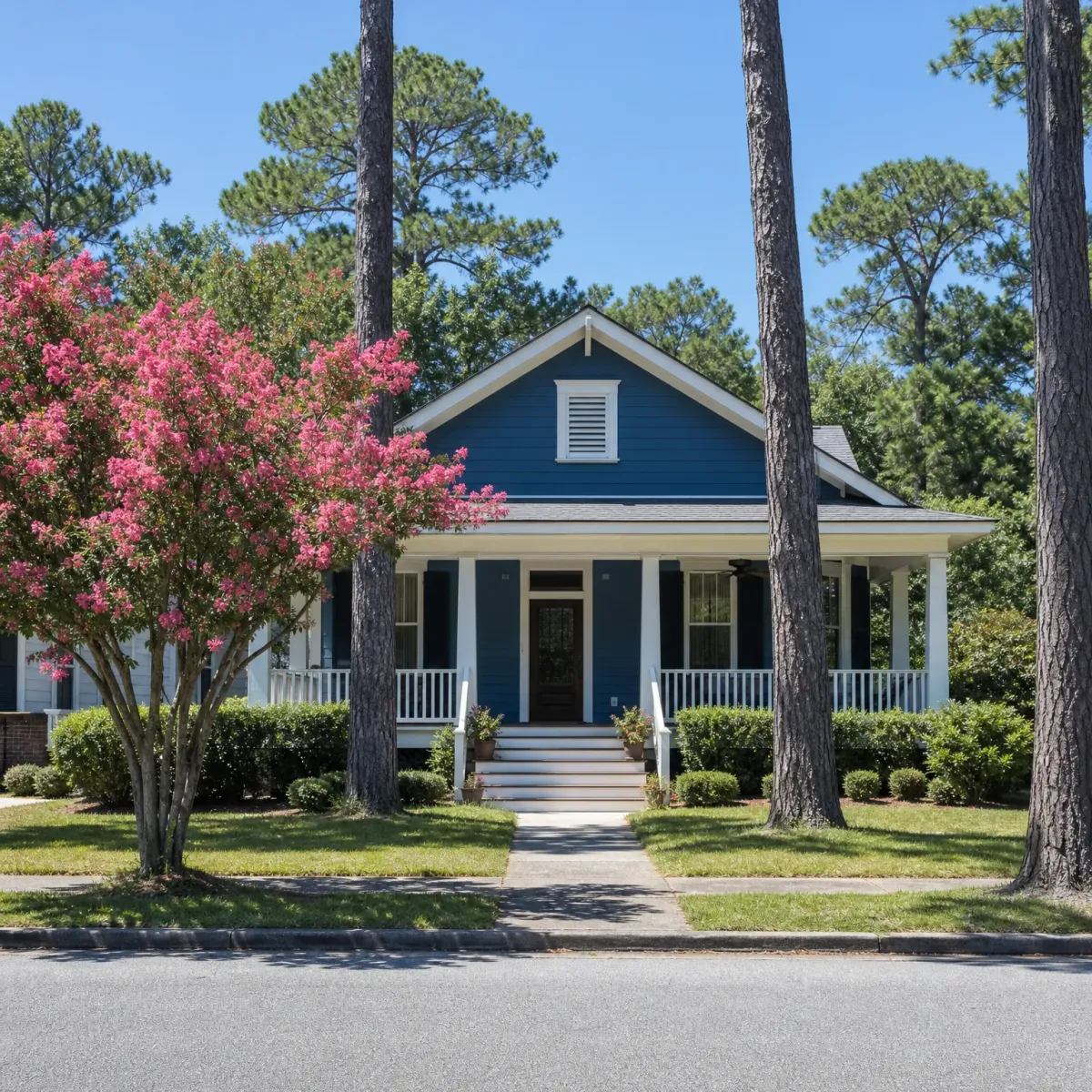
A single-story blue house with white trim, a covered front porch with white columns and railing, and a gabled roof with a louvered vent, set behind a lawn with a pink-flowering crepe myrtle, trimmed hedges, tall pine trees, and a concrete walkway leading to the street.

What's already heating homes here

Electricity already heats 62.9% of homes in Scott County, a little over three in five. Utility gas heats 19.4%, about one in five, and propane heats another 14.9%. If your house is already set up to burn gas or propane, that changes the comparison: you're weighing a known running cost against the cost of putting in electric heat and possibly upsizing the electrical service to carry it.

If your house runs on electric heat now, or you're building new, the case for a heat pump is straightforward here. It costs a little less to run than a furnace, it covers the cooling season too, and this county's winters rarely ask more of it than it's built to do.

If you're on gas or propane now, the furnace still makes sense, especially if the gas line and ductwork are already in place. The running cost is close enough to the heat pump's that ripping out a working gas system to chase savings doesn't pay for itself on fuel cost alone.

Sources: NOAA nClimDiv · NOAA 1991–2020 seasonal normals · Census ACS 2020–2024 · EIA SEDS 2024 · 10 CFR 430.32

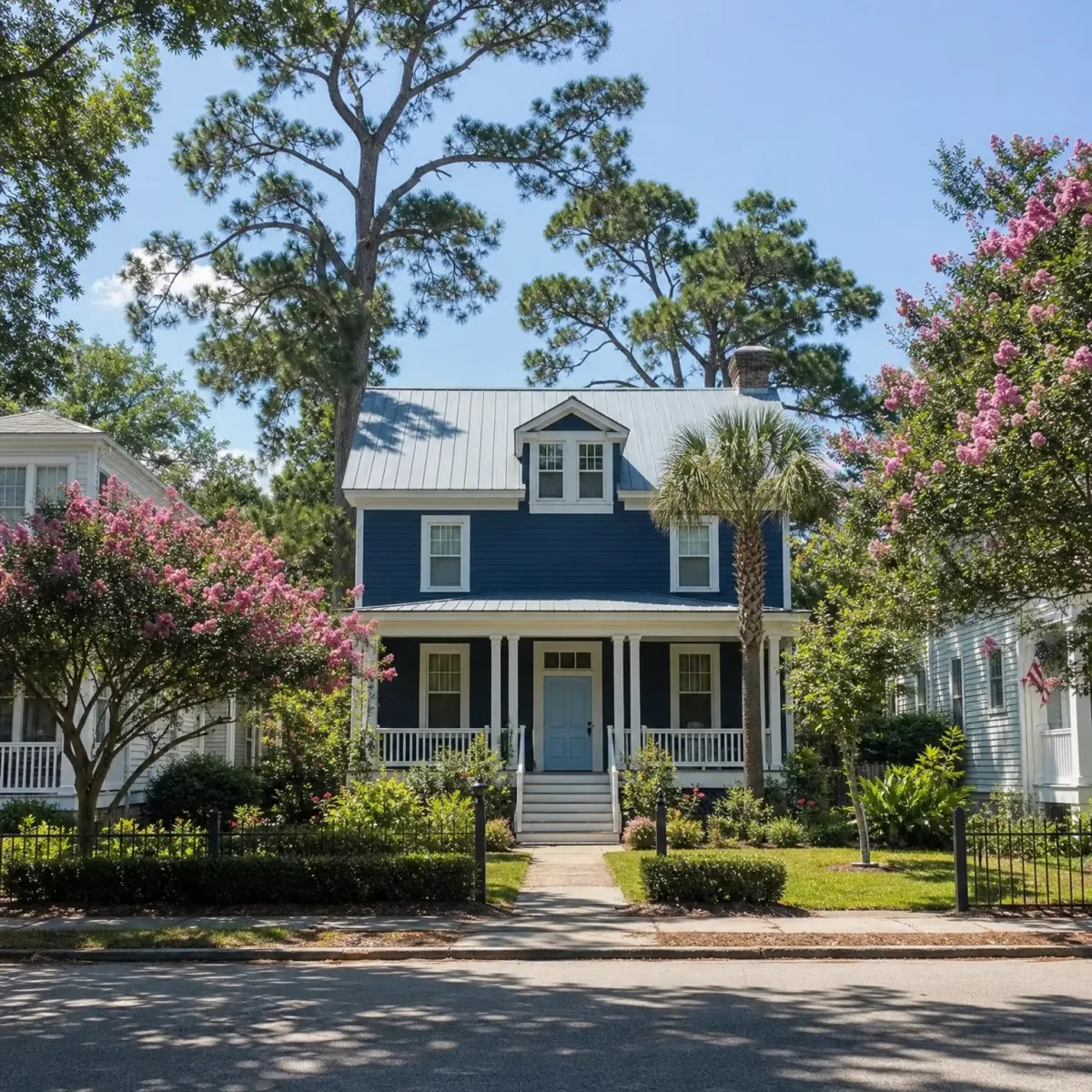
A two-story navy-blue house with white trim, a metal roof, front porch with columns, and dormer window, flanked by white houses, pine trees, a palm, and pink flowering crape myrtles, seen from across a street.

Common questions about heat pumps and furnaces

  • Will a heat pump keep my house cool enough here?

    Yes. A heat pump is a central air conditioner in the summer, the same equipment, so it cools your house exactly as well as one. Scott County runs cooling about five months a year, May through September, and the heat pump handles that side without any difference from a standard AC.

  • What if my house doesn't have a gas line?

    Then a heat pump is the straightforward choice. It does not need a gas line at all, it runs on electricity like the rest of the house, and electricity already heats 63% of homes in Scott County. Propane and oil furnaces work too, but you are buying fuel deliveries and storage instead of just paying the electric bill.

  • What if my house heats with oil or propane?

    Propane runs about $29.42 per million Btu here, almost double what electricity costs for the same heat, so a propane furnace is the more expensive of the two to run in Scott County. Oil and propane systems also mean fuel deliveries and a tank to keep filled, where a heat pump just runs on the electric line already in the house. About one in ten homes here heat with propane, so you are not alone in weighing this, but switching to a heat pump would likely lower what you spend to heat the house.

  • Is a heat pump cheaper to run than a furnace in Scott County?

    Yes, a little. At Mississippi's average prices a heat pump runs about $1.79 per 100,000 Btu against $1.88 for a gas furnace, so it costs less to heat your house here over a season. The gap is small enough that it should not be the only reason you pick one over the other.