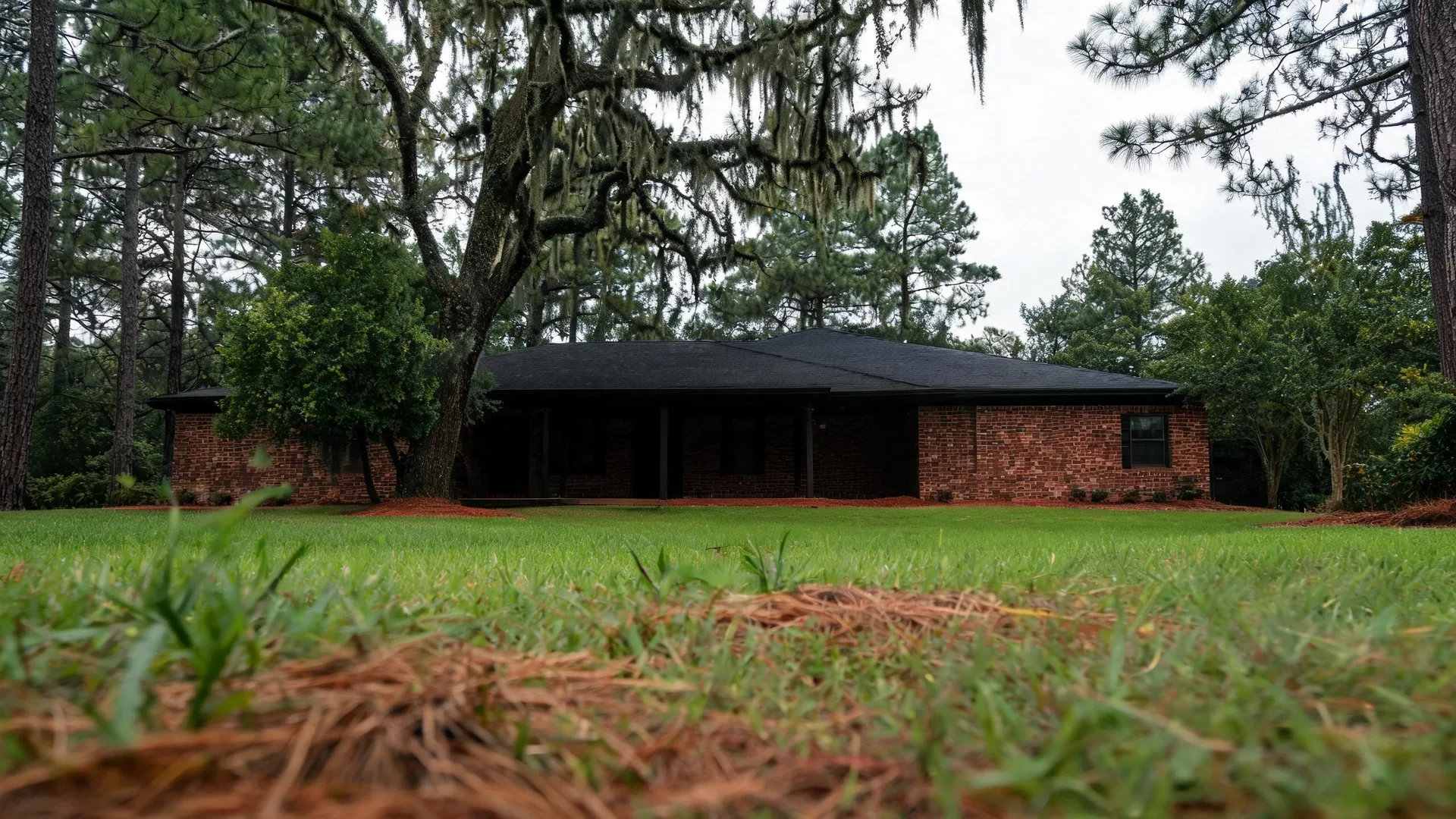






Single-story brick house with a dark shingled roof set behind a lawn and tall pine and moss-draped trees, photographed low to the ground with pine straw in the foreground.

Furnace Installation in Forest, MS

Tell us about the job

Takes about a minute. No obligation.

New system or replacementFurnace or heatingScott County, MS
Step 1 of 2

What ZIP code is the job in?

Scott County saw 144 severe weather events between 2015 and 2024, and damaging wind caused most of them. A new furnace is worth planning around that history. If it pairs with an outdoor condenser, think about where that unit sits and what might come down on it in a storm. Power matters too. A good share of Mississippi households lost power for a day or more last year, and a furnace with electronic ignition or a blower motor won't run without it. Ask the contractor what backup options exist for a long outage before the install, not after one.

5 months
November through March, your furnace is on duty
36°F
the average winter night it heats against
80% AFUE
the federal minimum any new unit must meet
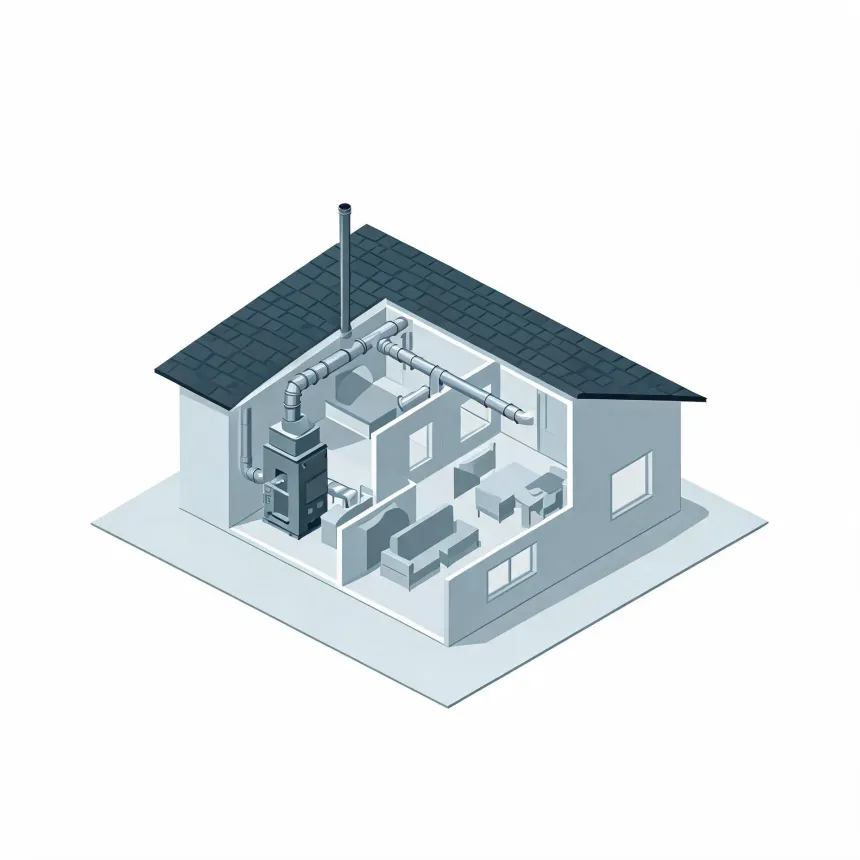
Isometric cutaway illustration of a single-story house with a dark shingled roof, showing a furnace with a flue pipe and branching ductwork running through interior rooms furnished with a sofa, table and chairs.
Your furnace works hardest from November through February.

NOAA nClimDiv, 1991–2020 normals

Most homes in Scott County heat with electricity.

A straight electric furnace swap fits what's already here, no gas line to run or rework.

Electricity here runs $39.26 per million Btu, cheap enough that a high-efficiency furnace takes a long time to earn back the difference.

Heat runs November through March
Winter nights average 36°F
Climate zone 3A
Five months of work a yearHeat runs about five months, November through March, with nights near 36°F.

Half the homes in Scott County were built in 1989 or earlier, half in 1989 or later, which is just the ordinary spread of a county this size. A standard furnace sized to the house works fine either way, old or new. Mobile homes make up more than a third of the housing stock here, and if that's what you have, say so when you talk to the contractor. Furnaces for manufactured housing follow different sizing and clearance rules than a furnace going into a site-built home, and the equipment is built differently to meet those rules. Outside of that one distinction, there's nothing about homes in this county that calls for anything other than a standard unit.

Reliability first

Power is cheaper here, so the most efficient model takes longer to pay off. Reliability and fit matter more.

Find a contractor
A man in a dark T-shirt, backwards cap and brown work pants, seen from behind, climbs porch steps toward a blue paneled front door while carrying a canvas tool bag, with a potted shrub in a blue planter to the right.
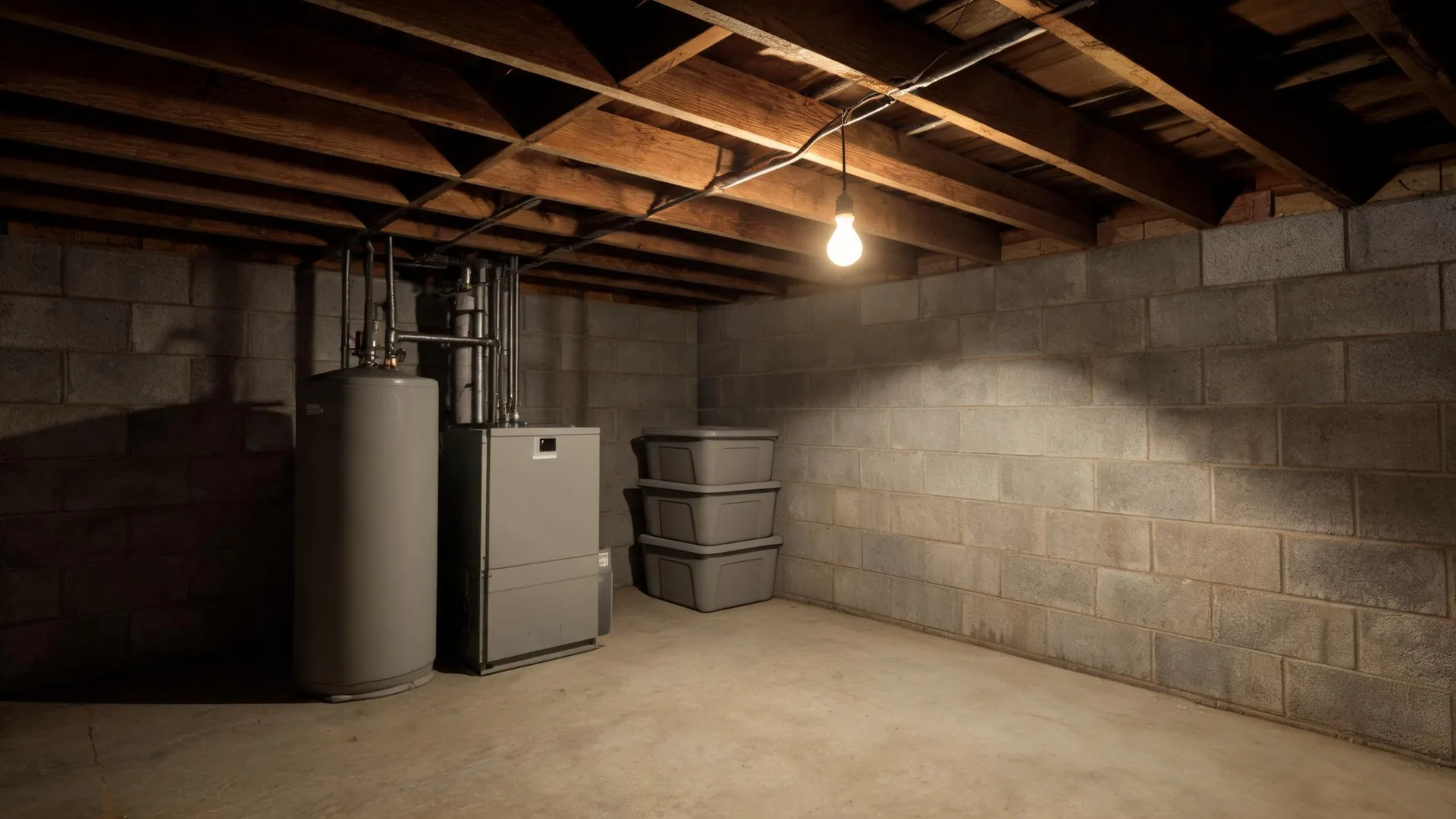
A gray residential gas furnace installed in an unfinished basement, surrounded by ductwork, a metal flue pipe, and a gas supply line.

Get it in before November

Heat runs about five months here, November through March. Install before November and the furnace gets a mild night or two to run on before it has to carry a cold one. Wait until the cold hits and you're calling when every other furnace in the county picked the same week to fail, and the contractor is booked out.

Bigger isn't better

A furnace too big for the house turns on, dumps heat fast, and shuts off again before it ever warms the place evenly. That short cycling wears on the heat exchanger and the blower motor. Rooms farthest from the vents never quite catch up. The right size runs longer, steadier stretches, and that is what actually makes a house feel warm.
How a contractor sizes it

A contractor works out how much heat the house loses on a cold night. That means measuring the square footage, the window area, the insulation, the ceiling height, how much outside wall the house has. The furnace gets matched to replace what the house loses, not to match the old unit's nameplate or some rule of thumb. Skip that step and the size is just a guess.

The efficiency rating on a furnace tells you how much of the fuel it burns turns into heat in the house, and how much goes out the flue instead. A gas furnace with a low rating is sending real fuel up the vent that a higher-rated model would keep and use. That gap is why the rating matters most on gas equipment. An electric furnace works differently. Nearly all the power going into the heating element becomes heat in the house, so there is less waste for the rating to capture in the first place. The rating also says nothing about installation or longevity. A high rating on a furnace that is the wrong size for the house, or set up poorly, will not deliver what the sticker suggests.

The old furnace does not come out whole. A gas unit gets its heat exchanger and burner cut down to size, since the cabinet rarely fits through a door assembled. An electric furnace comes apart the same way, minus the gas valve and venting but with the same heating elements and blower to deal with. None of it goes back in the attic or the closet it came from. A contractor hauls it off, and the metal gets recycled rather than landfilled, since a furnace cabinet is mostly steel. If the unit ran on gas, the old gas line gets capped or reused depending on where the new furnace sits. If the old system used a chimney or metal flue for venting, the contractor checks whether anything else in the house still depends on that vent before deciding what happens to it.