A heat pump that runs long cycles without warming the house, blows air that feels barely different from room temperature, or frosts up outside and doesn't clear itself on a defrost cycle is telling you something. So is a change in sound, a new rattle or a hum that wasn't there before. These usually mean a coil needs cleaning, the refrigerant charge is off, or a sensor controlling defrost has failed.
Why catching it early matters
A heat pump working harder than it should puts strain on the compressor, and the compressor is what keeps the whole system running. A yearly check catches a dirty coil or a weak capacitor before it drags the compressor down with it. Left alone, small faults tend to spread into bigger ones.
A refrigerant charge reads low before the house ever feels it.
Catch that on a gauge and it's a top-off. Miss it and the compressor pays for it.
Half these homes were already old when the warranty ran out
Half the homes here were built by 1986Power costs 13.39 cents a kWh statewideClimate zone 3A
Ready before NovemberHeat pumps here run heat from November through March, so October is the month to get it checked.
A heat pump that never gets looked at doesn't fail all at once. The outdoor coil collects dirt and pollen over time, and as it gets harder for the coil to shed heat, the compressor has to work past what it was built for. Filters left unchanged choke airflow across the indoor coil, and that lets refrigerant come back too cold, which the compressor also feels. None of this shows up as a breakdown right away. It shows up as longer run times, higher strain, and a compressor that wears down years before it should have. By the time the house feels warm air struggling to keep up, the damage already happened quietly, one cycle at a time.
A heat pump doesn't get an off season the way a furnace does. It switches over between heating and cooling and keeps running, so the filter, the coils and the drain stay under load no matter the time of year. A clogged filter restricts airflow whichever way the system is working, and the indoor coil depends on that airflow to do its job in either mode. The outdoor coil takes its own hit, caked with dirt or pollen until it can't release or absorb heat the way it needs to. The condensate drain matters just as much, since a heat pump produces condensate on the cooling side and during defrost on the heating side. A clogged drain backs water up into the cabinet around the electronics long before anyone notices a puddle on the floor. None of these parts get a stretch of downtime to recover from neglect. Whatever shape they're in carries straight into the next cycle.
Keep the outdoor unit clear
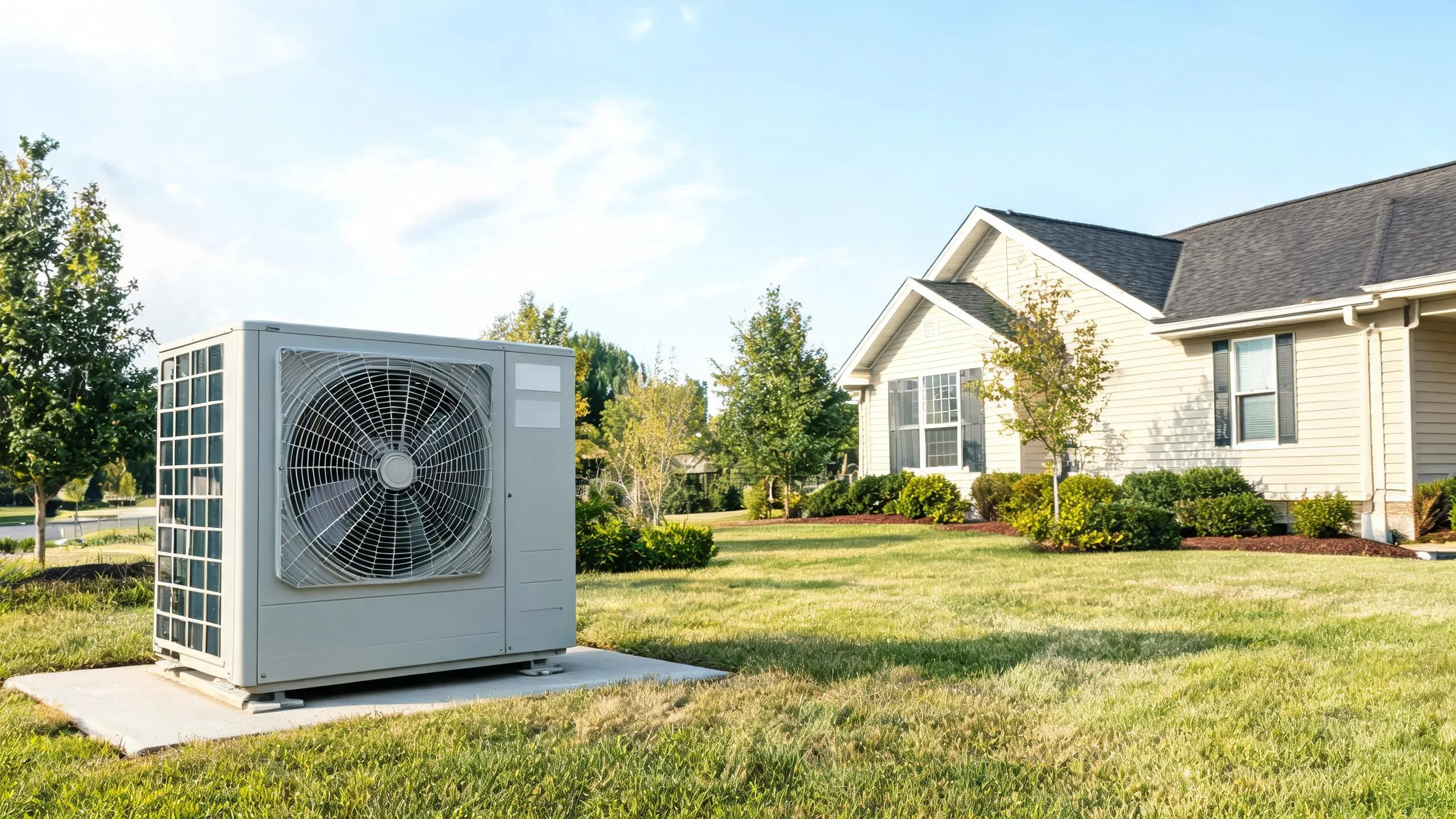
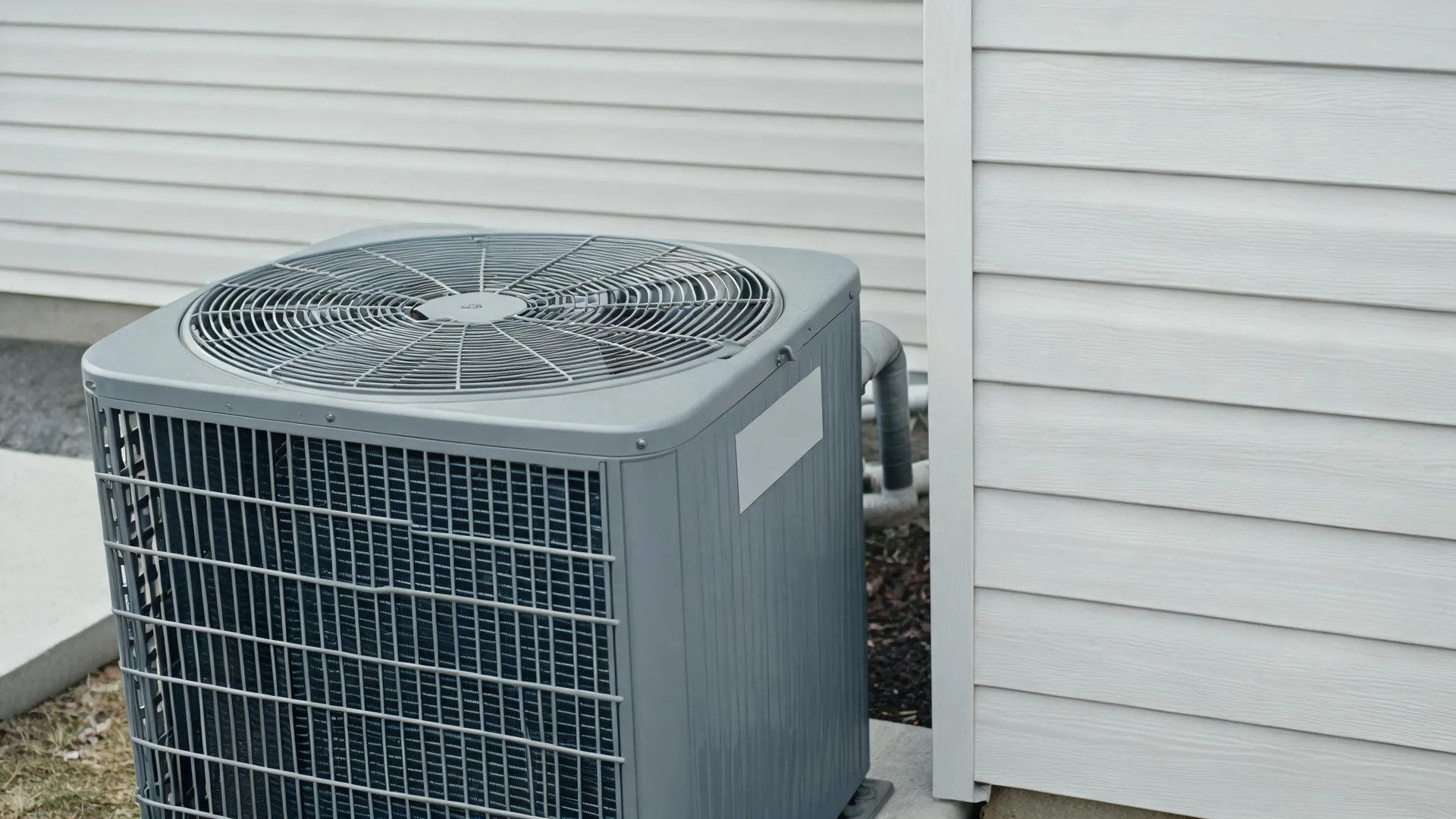
Grass clippings, leaves and ice all choke the outdoor coil the same way. Keep a couple feet of open space around it, and if the top gets a mat of leaves or debris, clear it off by hand. Don't let mulch or plants grow up against the cabinet. The coil needs open air on all sides to release heat in summer and pull heat in winter.
Check, don't clean, the rest
The filter is the one part worth checking on a set schedule. Hold it up to light and if you can't see through it, swap it. Everything past that, the refrigerant charge, the defrost board, the indoor coil, needs a gauge or a panel off to judge right. Opening the cabinet or touching refrigerant lines without that training tends to cause the exact failure a checkup is meant to catch.
A quick visit usually means a filter glance and a pressure reading taken from the gauges, nothing more. A thorough one means the panels come off. The tech pulls the blower wheel or at least checks it for caked-on dust, since a dirty wheel cuts airflow the same as a dirty filter does. They check the contactor for pitting, since a pitted contactor is what leaves a system not starting on a cold morning. They test the capacitor under load rather than just looking at it, because a capacitor can look fine and still be weak. On the outdoor unit, a real check means washing the coil, not just glancing at it, and checking refrigerant levels against the manufacturer's numbers for that unit rather than a general range. It also means watching a full defrost cycle to see the reversing valve actually switch and the board bring the system back to heating when the cycle ends. Any visit that skips the defrost cycle has skipped the part most likely to fail on a heat pump specifically.
A full tune-up also means checking the refrigerant charge against what the manufacturer calls for on that specific unit, not a number pulled from memory. Too little charge and the compressor runs hot trying to make up for it. Too much and liquid refrigerant can come back to the compressor instead of vapor, which is just as hard on it. The tech also checks the reversing valve, the part that switches the system between heating and cooling, since a valve that sticks partway leaves the system blowing the wrong temperature air or stuck in one mode. Electrical connections at the outdoor unit get checked too, since a loose connection there tends to show up as a system that trips its breaker or shuts down mid-cycle rather than one that fails to start. None of this is visible from outside the cabinet. It only gets caught with the panels off and the system running.