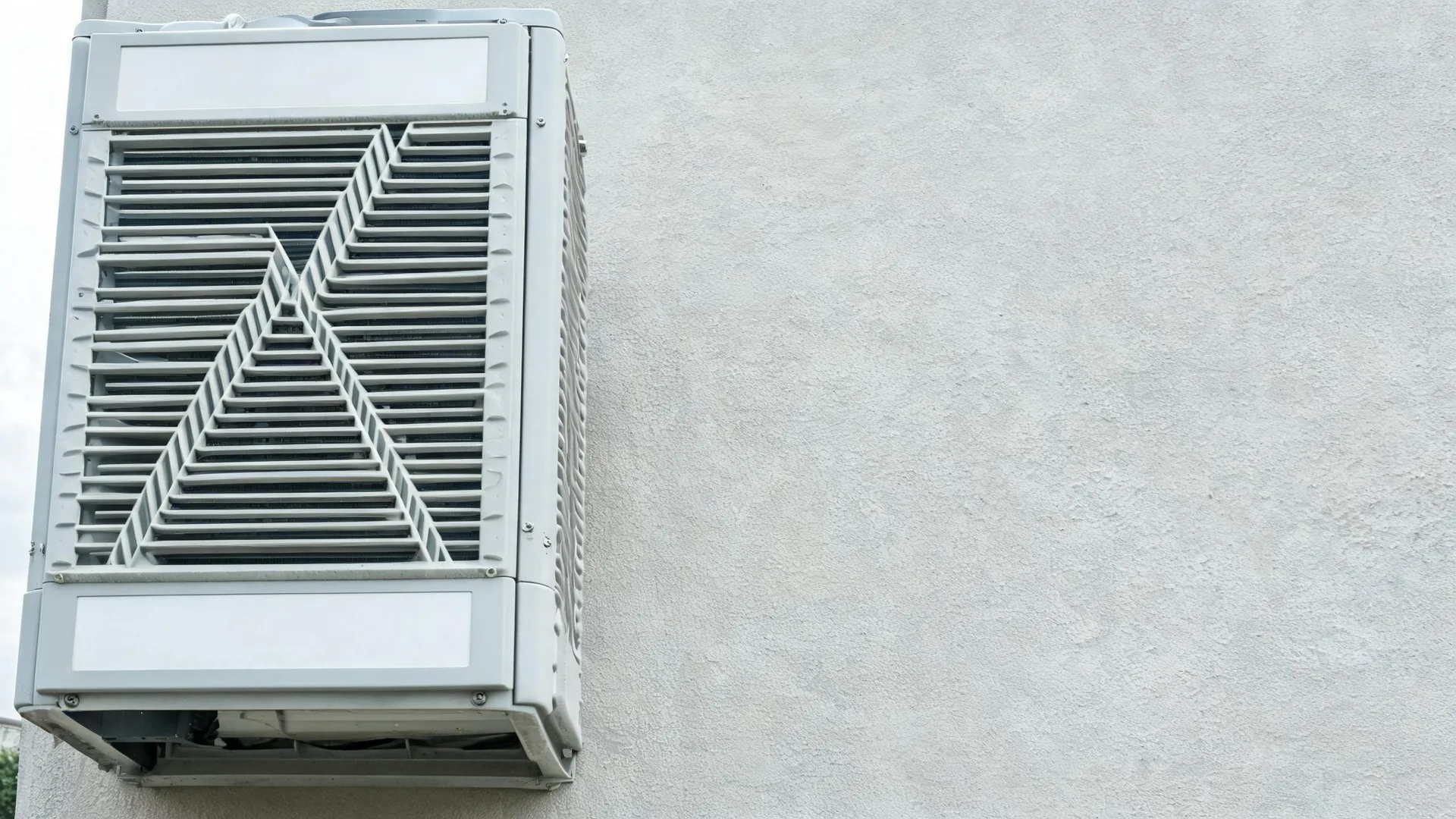
A heat pump that needs attention doesn't always shut down. It just stops working the way it used to. One sign is short cycling, where it turns on, runs a few minutes, and shuts off before the room feels any different. Another is ice building up on the outdoor unit and staying there instead of melting off during the defrost cycle. If you notice the air from the vents feels cooler than usual on heat mode, or the system runs long stretches without the house catching up, the reversing valve or the refrigerant charge may need a look. A unit making a new noise, a hum that wasn't there before or a clicking when it switches modes, is also telling you something. None of these mean the system is done. They mean it's time to have someone check it before a small problem turns into a compressor replacement.
A heat pump that never gets its coils cleaned or its refrigerant checked keeps running anyway, just worse each season.
By the time it won't heat or cool at all, the compressor is usually the reason, and that's the one part worth protecting.
One visit a year covers it here
Half the homes here were built by 1984Power costs 13.39 cents a kWh statewideClimate zone 3A
Heat runs here from November through March, five months of the heat pump pulling heat out of cold air instead of cooling the house down. October is the month before that starts, and it's the right time for the check. A heat pump with a low charge or a worn capacitor will often still start up fine in October. Ask it to run every day once November turns cold and that's when it falls behind. Getting the check done before the season starts means whatever's weak gets found while the system is still idling, not while the house is depending on it.
A quick visit gets the filter swapped and the refrigerant level glanced at, then calls it done. A thorough one opens the cabinet and checks the things that cause trouble later. The contactor and capacitor get tested under load, not just looked at, since those are the parts that strand a compressor. The coils get washed, not wiped, because a coil caked with dirt makes the whole system run long and cold outside, hot inside, for no good reason. Refrigerant gets checked against the manufacturer's charge, not just topped off, since too much is as hard on a compressor as too little. The reversing valve gets cycled to make sure it still switches clean between heating and cooling. Electrical connections get tightened, because a loose one builds heat right at the lug and fails there first. A tune-up that skips straight to the invoice usually skipped these.
Keep the outdoor unit clear
Leaves, grass clippings and anything piled against the outdoor unit block the airflow it needs to move heat in either direction. Keep at least a couple feet open on all sides, and after a storm check for branches or debris caught in the fins. Snow or ice sitting on top you can brush off by hand. Ice built up underneath or around the base is a job for a contractor, not something to chip at yourself.
The filter is the one real homeowner job
A dirty filter starves the system of airflow, and a heat pump forced to push air through a clogged filter runs longer to do less, in both heating and cooling mode. Check it monthly and swap or rinse it when it looks gray instead of white. Beyond the filter, leave the cabinet closed. Refrigerant, electrical connections and the reversing valve are not places to go looking on your own between visits.
A tune-up also means someone is in a position to see what a filter change never shows. A technician checks the suction line temperature against the liquid line, because that split tells you whether the charge is right in a way looking at the gauge alone doesn't. They check amp draw on the compressor while it's running, not just whether it turns on, since a motor pulling more current than it should is wearing out before it quits. They look at the condensate drain for algae or buildup that hasn't backed up yet but will. They check that the defrost sensor is reading the coil temperature correctly, since a bad sensor either skips defrost when ice is building or runs it when the coil doesn't need it. None of this shows up as a symptom you'd notice. It shows up as a compressor that lasted or one that didn't.
A tune-up is also where someone checks the things that only show a problem once a year has passed. The technician measures airflow across the indoor coil, because a system that's lost airflow from a dirty blower wheel will still run, just colder on the coil than it should get, and that drags ice onto the outdoor unit in heating mode. They check the start capacitor's actual rating against what it's supposed to be, since a capacitor can test as working and still be weak enough to strain the compressor on every start. They look at the auxiliary or backup heat, where the system has one, to confirm it's not kicking on more than it should, because a heat pump leaning on backup heat to make up for a problem elsewhere is hiding the real issue while the compressor keeps losing ground. They check that the thermostat is actually calling for the right mode and not fighting the reversing valve. A system can run all year looking fine and still be losing capacity the whole time. The yearly visit is what catches that before the house tells you.