
What winter here actually asks of a heat pump
Your winter is mild, and that's the whole story. The overnight low averages 34°F across December, January and February, and it only reaches freezing on about 65 nights out of the roughly 150 the heat runs. It drops to 0°F or below on fewer than one night a year. A heat pump never has to fight real cold here. It has to handle cool nights, most of them well above freezing.
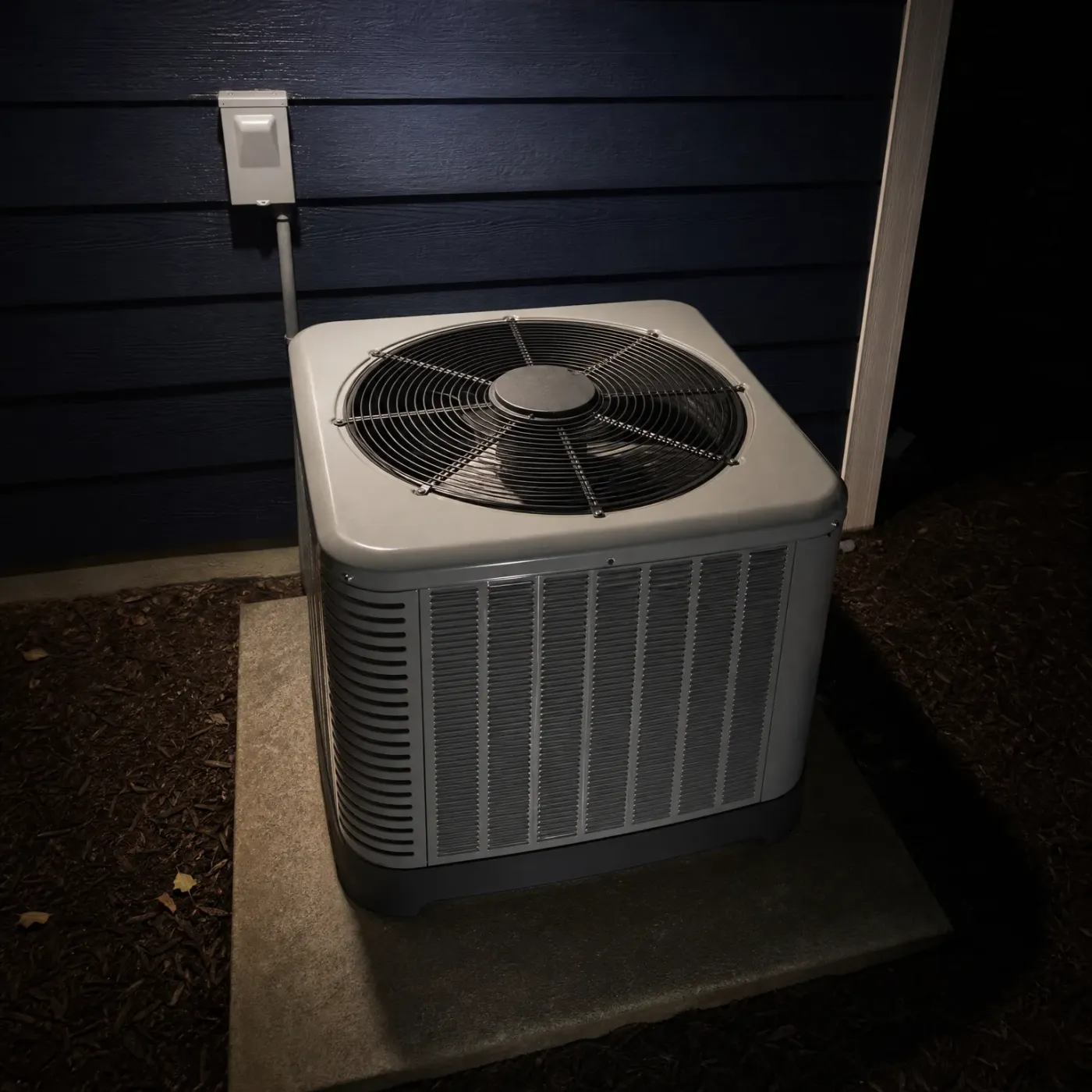
That still matters for how a standard heat pump performs. Below 40°F its heat output falls short of its rating, and below about 35°F it often needs backup heat to make up the difference. Your average winter low of 34°F sits below both marks, and every one of those 65 freezing nights does too. So on a normal winter night here, a standard heat pump is working below its best range and may lean on backup heat to keep up.
That isn't the same as struggling. Field testing on cold-climate heat pumps in occupied homes found that backup heat covered only a small share of the heat needed between 0°F and 35°F, and running on backup alone was rare even above 0°F. Itawamba County almost never sees 0°F. If you want a heat pump that holds its output further down, look for the ENERGY STAR Cold Climate label. To earn it, a heat pump has to keep at least 70 percent of its 47°F capacity at 5°F, a temperature this county rarely gets close to.