




An unfinished basement containing a metal furnace with ductwork, exposed wooden joists on the ceiling, cardboard boxes, a coiled cable, and a single hanging incandescent bulb.

Furnace Installation in Fulton, MS

Tell us about the job

Takes about a minute. No obligation.

New system or replacementFurnace or heatingItawamba County, MS
Step 1 of 2

What ZIP code is the job in?

More than half the homes in Itawamba County heat with electricity, and gas firing a furnace like utility gas or LP covers most of the rest. If your old system is electric, going electric again keeps the installation simple, since the wiring and setup are already there for it. Gas furnaces are common here too, whether the gas comes from a utility line or a tank on the property. Either way, matching what the house already has is usually the straightforward call, and a contractor can tell you quickly which setup your home is wired or piped for.

5 months
November through March, your furnace is on duty
34°F
the average winter night it heats against
80% AFUE
the federal minimum any new unit must meet
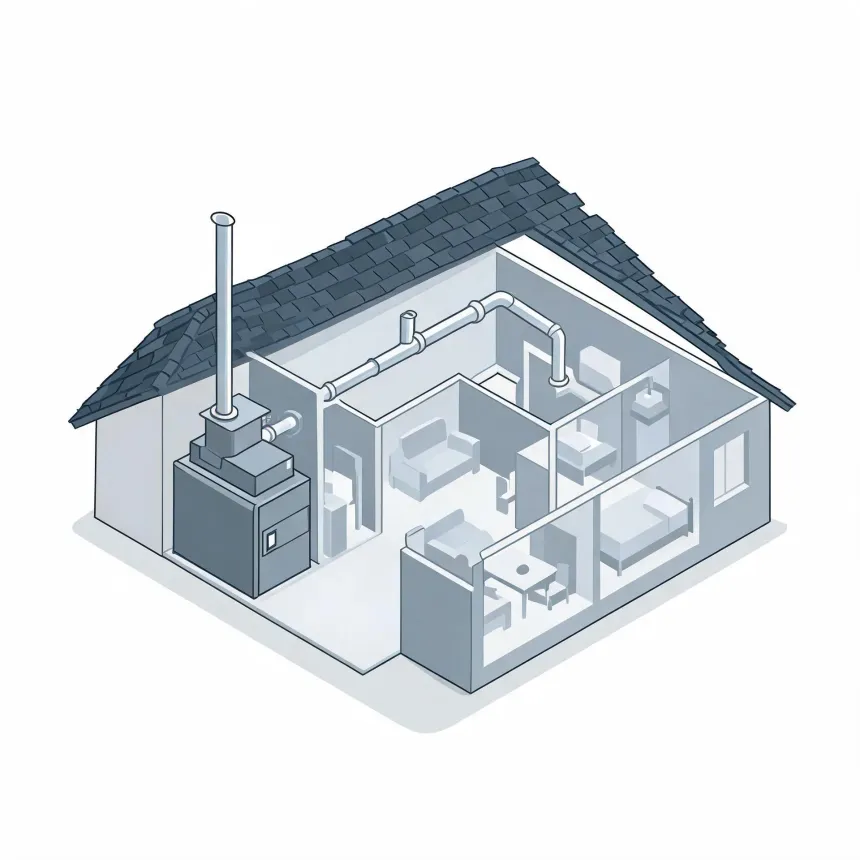
Isometric cutaway illustration of a single-story house showing interior rooms with furniture, ceiling ductwork, and a large furnace unit with a tall flue pipe in a corner room.
Your furnace works hardest from November through March.

NOAA nClimDiv, 1991–2020 normals

Itawamba County saw 47 damaging wind events between 2015 and 2024.

A standard furnace holds up fine through that. There's no reason to size up or pay for extra capacity here.

A standard furnace sized right is all this county asks for

Half the homes here were built by 1984
Heat runs November through March
Winter nights average 34°F

Taking out the old furnace is part of the job, not an extra step. The installer disconnects the gas line or electrical circuit, pulls the old unit out of the closet or attic, and caps or reroutes whatever it was hooked to so the new furnace can go in clean. If the ductwork or vent pipe needs an adapter to match the new unit's size, that gets fitted at the same time. Old gas furnaces get purged of any remaining gas before disconnection, and the flue or vent pipe comes down too if the new furnace vents differently. None of this adds a separate visit. It happens the same day as the install, and the old unit leaves with the crew.

A right-sized furnace is the one to install

Electricity here runs $39.26 per million Btu, and that number doesn't change based on the size of the furnace you put in. A unit sized to the house costs less to run than one sized past it. Get the new furnace matched to this place, not more than it needs.

Find a contractor
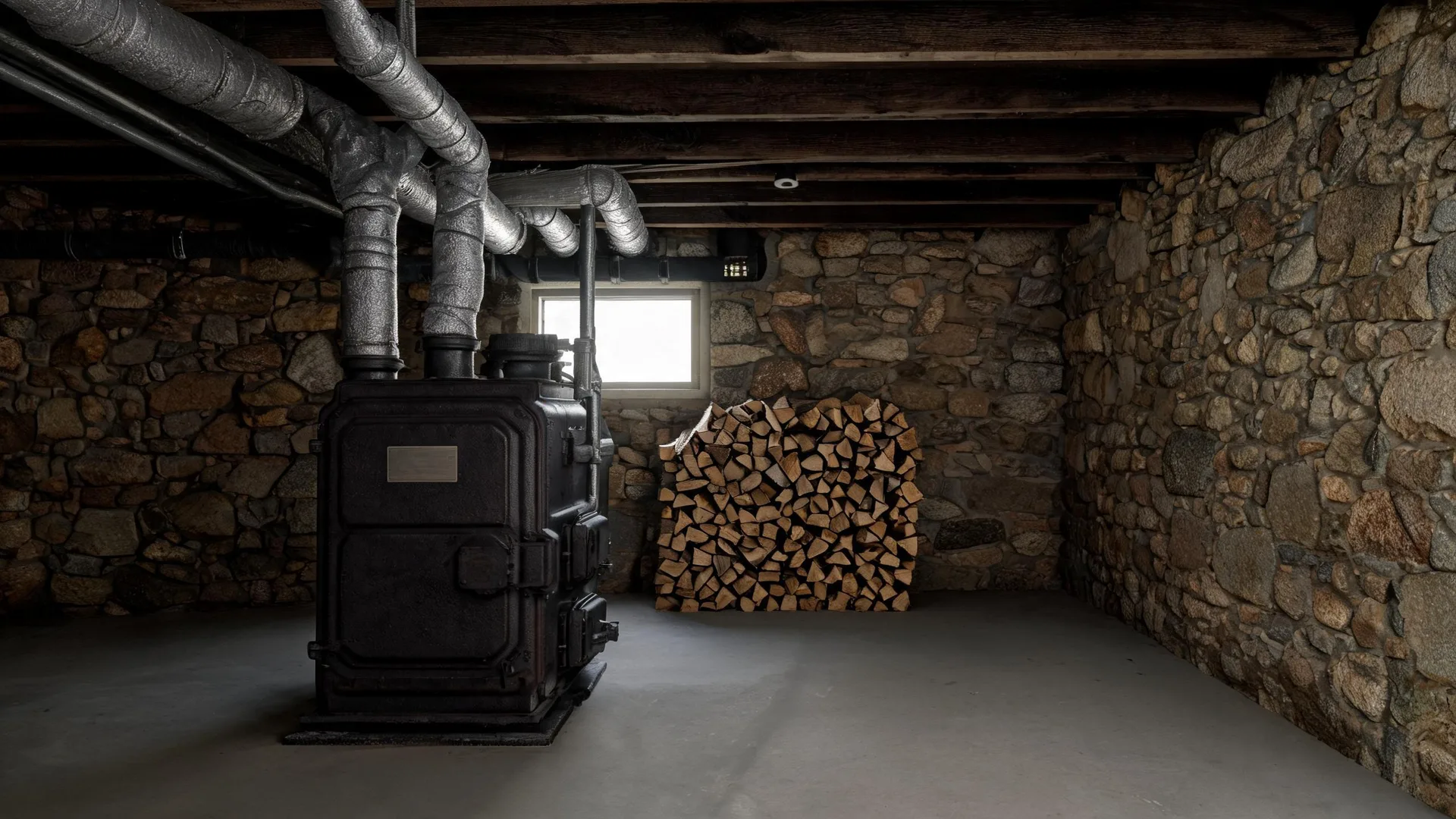
A gas furnace with attached ductwork, gas piping, and condensate lines installed in a concrete-block basement.

Five months of work a year

Furnace season here runs about five months, November through March. Nights average 34°F across December, January and February, which is cold enough to run a furnace steadily but well short of what homes further north ask of one. A furnace sized to this house will meet that load without strain. Put the money into getting the size right, not into a higher-efficiency unit built for a longer, colder season.

The furnace itself is only part of the bill

A furnace install is labor and materials together, not just the box going in. The ductwork, the vent pipe or flue, the gas line or electrical circuit, and whatever modifications those need all factor into the job. A straight swap where the new unit matches the old one in size and fuel type goes faster and costs less than a change in venting or fuel source.
Matching the house keeps the job simple

When the new furnace is the same fuel type and roughly the same output as what's coming out, the installer is working with what's already there. Switching from gas to electric or electric to gas means new wiring or new gas piping, plus venting changes, and that's where a job gets bigger. Staying with what the house already has is what keeps the installation itself straightforward.

Sizing a furnace comes down to matching output to how fast the house loses heat, nothing more. A contractor works that out room by room, adding up the walls, windows and ceiling area facing outside, then sizes the furnace to replace what's lost on the coldest nights. Too big and the furnace short cycles, kicking on, heating the air fast, and shutting off before it's run long enough to warm things evenly or pull moisture out of the air. That on-off pattern also wears out the parts that start the burner every cycle. Too small and it runs constantly without catching up, leaving the house cold anyway. The right size runs in longer, steadier stretches and holds a more even temperature room to room.

Install day starts with a walkthrough before anything gets disconnected, confirming the new furnace's location, the ductwork connections and where the vent pipe or flue needs to tie in. Once the old unit is out, the installer sets the new furnace, connects the supply and return ducts, and runs the gas line or electrical circuit to it. The vent pipe or flue gets connected next, sized and sloped the way that furnace requires, since a gas furnace depends on that venting to clear exhaust safely. After everything is hooked up, the installer fires the furnace and checks the flame or heating element, tests the airflow at the registers, and confirms the thermostat is talking to the new system correctly. A combustion check on a gas furnace makes sure it's burning clean before the installer signs off and walks the homeowner through anything new about operating it.