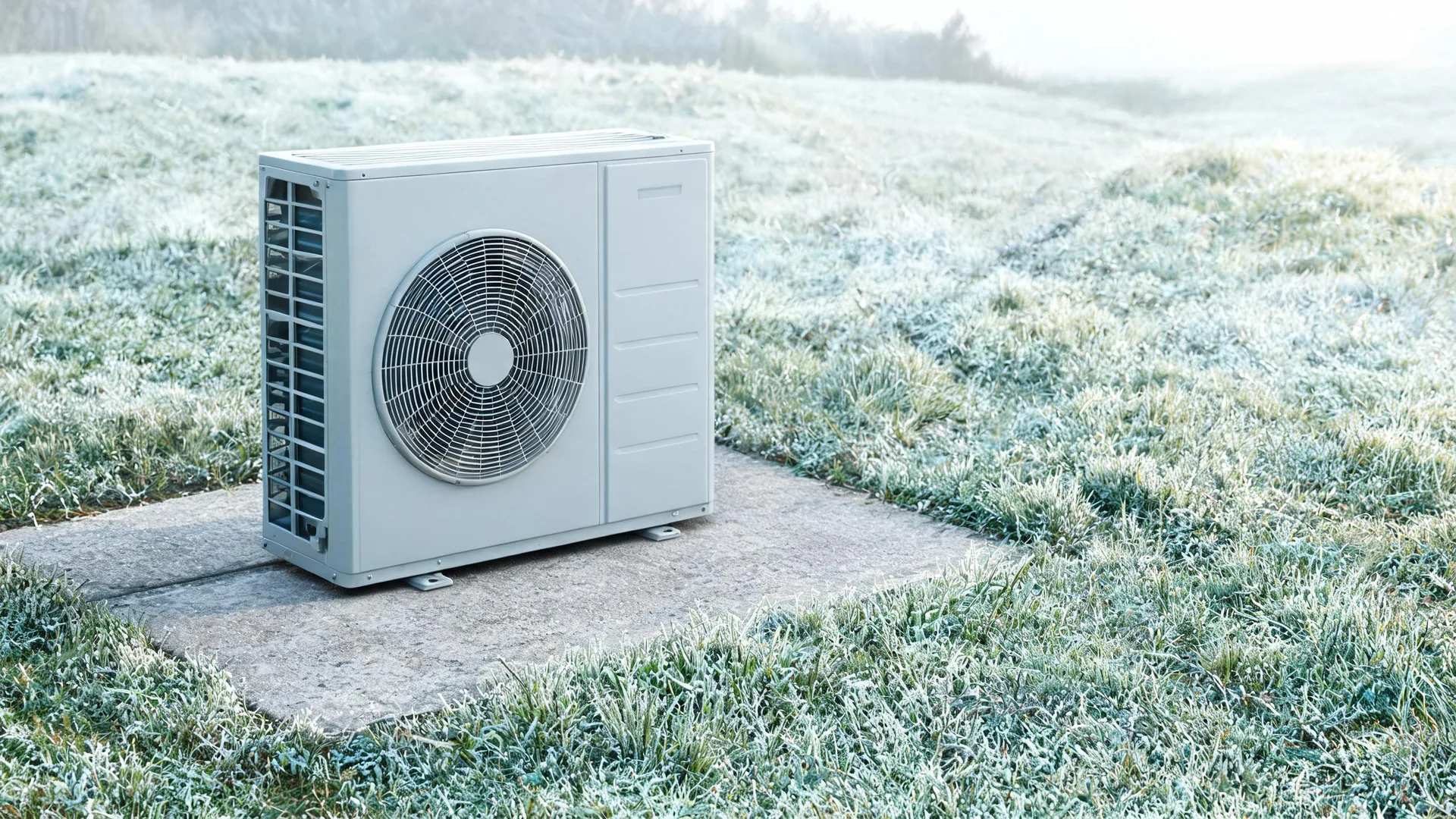
A heat pump in Batesville runs for heat and for cooling both, so a yearly check is when a contractor sees the wear from the whole year at once, the coil, the refrigerant charge, the electrical connections, before any of it turns into a breakdown.
Older systems need the yearly look most
Half the homes in Panola County were built in 1988 or earlier. A heat pump that old, or one running behind ductwork from that era, is more likely to be working harder than it should, and a yearly visit is what tells you whether it still is.
A heat pump that short cycles, turning on and off in quick bursts, is losing a fight against something, a dirty coil or a weak charge.
Left alone, that same strain is what wears down the compressor, and the compressor is the part no one wants to replace.
71 severe weather events in ten years is enough reason to have a heat pump checked once a year
71 severe weather events from 2015 to 202430% of homes statewide lost power a day or more in 202435 damaging wind events from 2015 to 2024
A heat pump in Batesville runs heat and cooling both, so it switches jobs with the seasons here. Heat runs November through March, so October is when a contractor should take a look, before the first cold night asks the system to work. Cooling starts in May, so April is the other month that matters, before it runs hard for five straight months. Catching the check before either start means any wear from the season before gets found while it is still a small fix.
A real tune-up opens the panel, not just the thermostat
A quick visit checks that the system turns on and moves air. A thorough one pulls the covers off. The tech checks refrigerant charge against what the system calls for, not just whether it runs cold. They check the contactor and capacitor for pitting and swelling, since those are what fail mid-cycle. They check the reversing valve, the part that lets a heat pump switch between heat and cooling, because a sticking valve shows up as weak heat long before it fails outright. They wash the outdoor coil instead of glancing at it, check the refrigerant lines for rubbed spots or loose insulation, and check amp draw on the compressor against what it should be. Anyone can tighten a filter and call it done. The difference shows up months later, in whether the system was actually looked at or just looked over.
A weak heat strip hides behind the thermostat
When a heat pump can't pull enough warmth from outside air, backup heat strips kick in to cover the gap. The thermostat still shows the right temperature, so nothing looks wrong. A contractor checks whether the strips are running more than they should, because that points to the heat pump losing ground somewhere else first.
Frost that doesn't melt is a sign, not a season
Some frost on the outdoor coil in cold weather is normal, and the defrost cycle clears it on its own. A coil that stays frosted, or one that thaws and refreezes fast, means the defrost control or a sensor isn't doing its job. That's something a homeowner glancing at the unit from a window would never catch.
Skip the yearly visit and the heat pump doesn't fail outright. It just quietly loses ground. Dust builds up on the outdoor coil, and the system has to work harder to pull heat from the air or push it back out, so it runs longer to do the same job. A refrigerant charge that's drifted low stays unnoticed because the thermostat still hits the set temperature eventually, it just takes the system longer to get there. The contactor keeps arcing a little more each cycle until one day it doesn't close at all. None of this shows up as a warning. It shows up as a system that runs more than it used to, until the part that was already weak gives out.
A tune-up starts outside. The tech pulls the top off the outdoor unit, not just the side panel, and checks the fan motor bearings and the blades for wobble. Inside, the air handler gets a look too, the blower wheel cleaned if it's caked with dust, since a dirty blower moves less air no matter how strong the motor is. They check the suction line temperature against the outdoor temperature, a number that tells them whether the charge is right in a way that just feeling the line never does. Drain lines get checked and cleared, because a clogged condensate line backs up and shuts the system down on its own, nothing to do with the compressor at all. Electrical connections get tightened, not just checked, since a loose connection is what burns a wire before anyone smells it. None of this is guesswork. Each check tells the tech something specific about where the system stands before it has to prove it on the coldest or hottest day of the year.