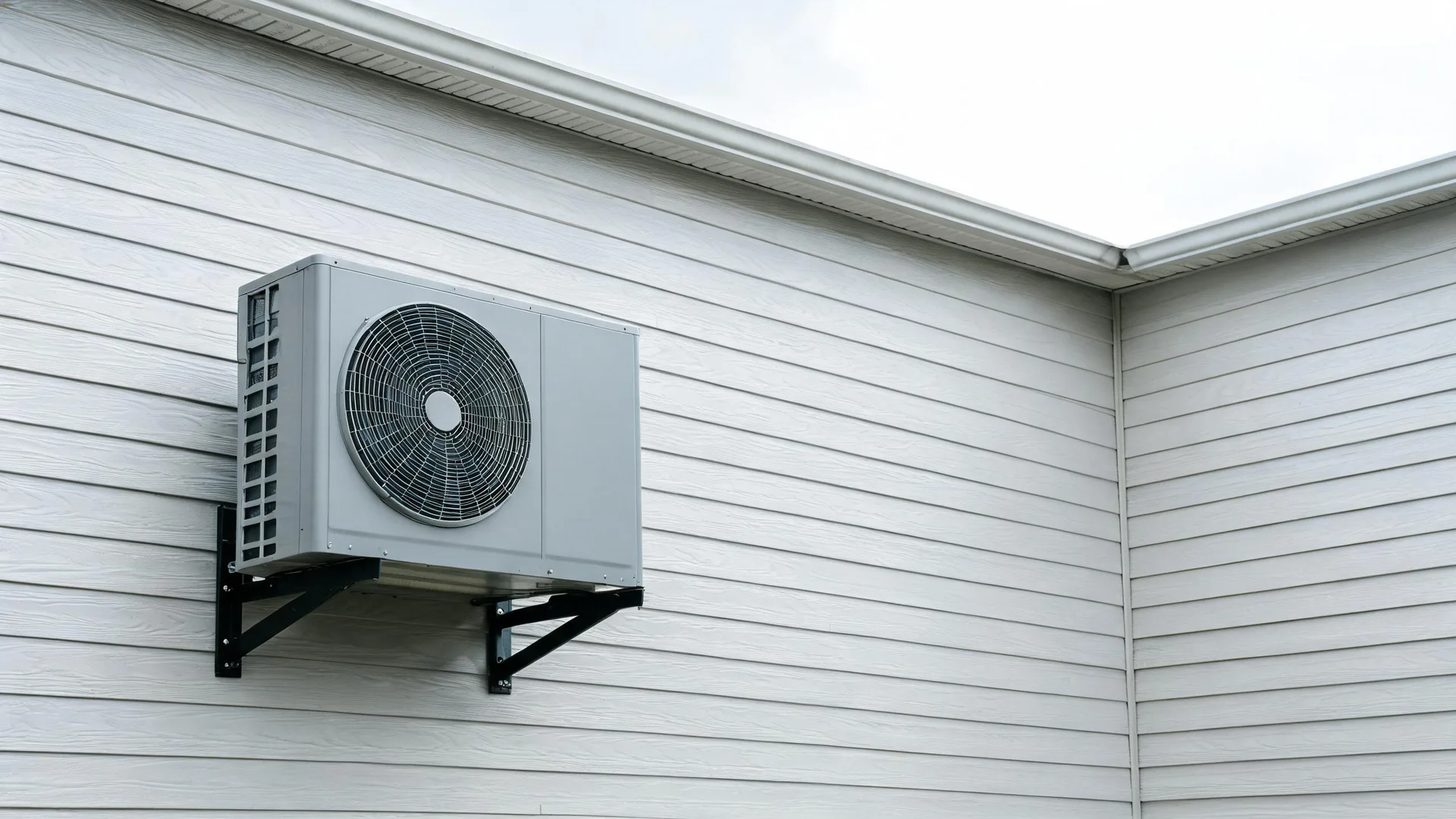
April and September are the months that matter
A heat pump in Iuka runs cooling from May through September and heat from October through April. Each season starts hard, so the check needs to happen the month before, in April or in September.

Takes about a minute. No obligation.
A heat pump in Iuka runs cooling from May through September and heat from October through April. Each season starts hard, so the check needs to happen the month before, in April or in September.
Once the system is running hard for the season, a weak capacitor or low charge shows up as a breakdown instead of a line item on a service sheet. Getting the check done in April or September catches it while it's still just a check.
Iuka stays mild enough that a heat pump never has to fight extreme cold or extreme heat here.
One visit a year, timed right, covers what this machine needs in Tishomingo County.



It starts running hard in the first month of the season here. Book the check the month before.
Find a contractor
The filter is the one thing that's on you, not the tech. A dirty filter chokes airflow, and a heat pump that can't pull enough air runs longer to hit the same temperature. Look at it every month, hold it up to light, and swap it when you can't see through it. Outside, keep the area around the outdoor unit clear. Leaves, grass clippings, a stray branch, anything that blocks the coil makes the system work harder for the same result. After a storm, walk out and look. If the fan isn't spinning free or the unit got knocked around, that's worth a call before it becomes a bigger repair. Inside, don't block the vents with furniture or rugs. The system is built to move a certain amount of air through the house, and shutting off a room fights that design. None of this replaces the yearly check. It just keeps the system from losing ground in between.
A tech checks refrigerant charge, tests the capacitor and contactor, and runs the reversing valve both ways to confirm it shifts clean between heating and cooling. Low charge makes the compressor work harder to move the same heat. A weak capacitor can strand the outdoor fan or the compressor right at startup, which is exactly when the system needs them most.
Ice on the outdoor coil when the weather doesn't call for it. Air at the vents that feels weak against how hard the unit sounds like it's working. Short cycling, where it kicks on and off in quick bursts instead of running a full cycle. A hissing or bubbling sound near the lines outside. None of these fix themselves, and waiting for the next scheduled check lets whatever's wrong keep wearing on the parts around it.
A tune-up catches what the reversing valve is doing when nobody's watching it shift. That valve has to switch the refrigerant flow every time the system changes between heating and cooling, and the coil inside it wears at the seat with every pass. A tech can check it mid-cycle and see a sluggish shift that still feels fine from inside the house. Same with the contactor, the switch that sends power to the outdoor unit. Its contacts pit a little every time they close, and a homeowner never sees it until the day it doesn't close at all. A check also means pulling the panel and looking at the wiring connections themselves, because a connection that's loosened from vibration runs warm, and a warm connection degrades faster than one that's snug. None of this shows up as a symptom. It shows up as a part that was fine last year and isn't this year.
A tune-up also means checking the refrigerant line insulation and the condensate drain, things nobody thinks about until they fail. Insulation that's cracked or missing lets the line sweat, and that moisture finds its way to wood and drywall nearby. The drain line clogs with algae slowly enough that nobody notices until the pan is full and water is finding the ceiling below it. A tech clears that line and checks the pan while it's still routine, not a water stain. The same visit covers the blower motor and its bearings, listening for the grinding or whine that means they're wearing out, and confirming the motor is actually moving the air the system was built to move. A heat pump running short on airflow strains the compressor even when every other part is sound.